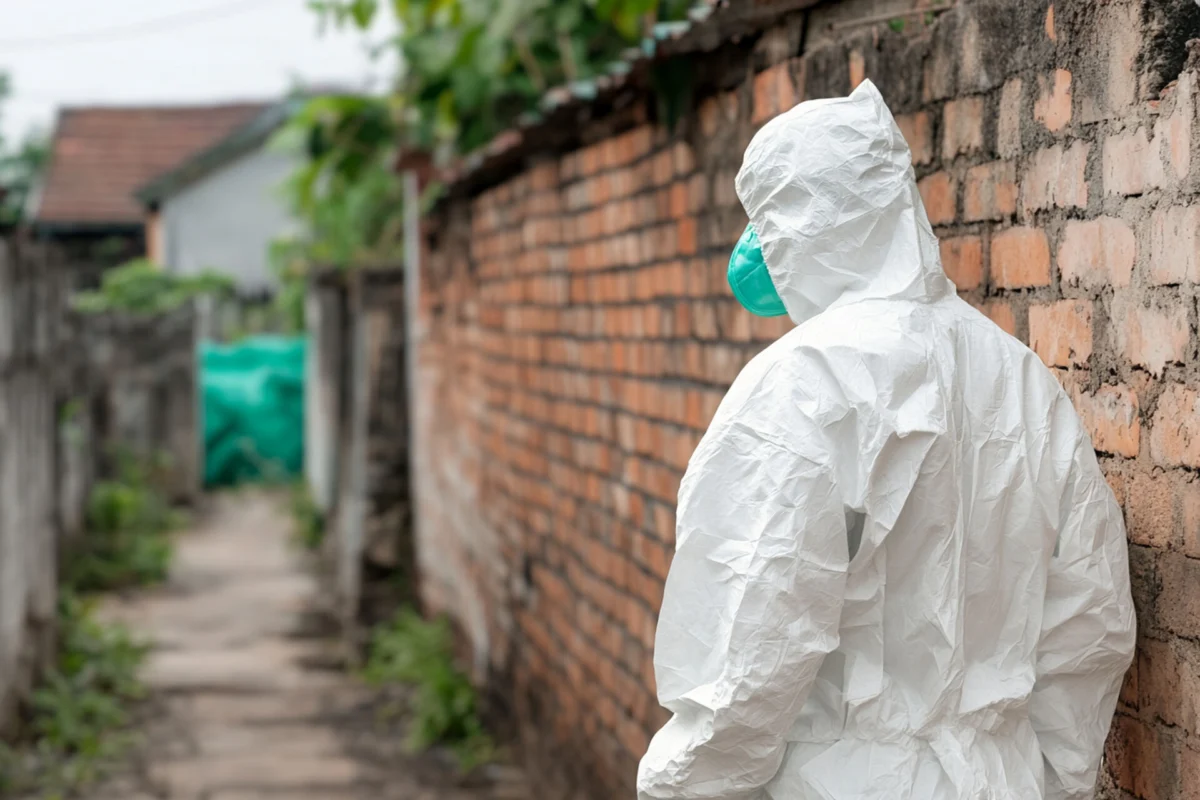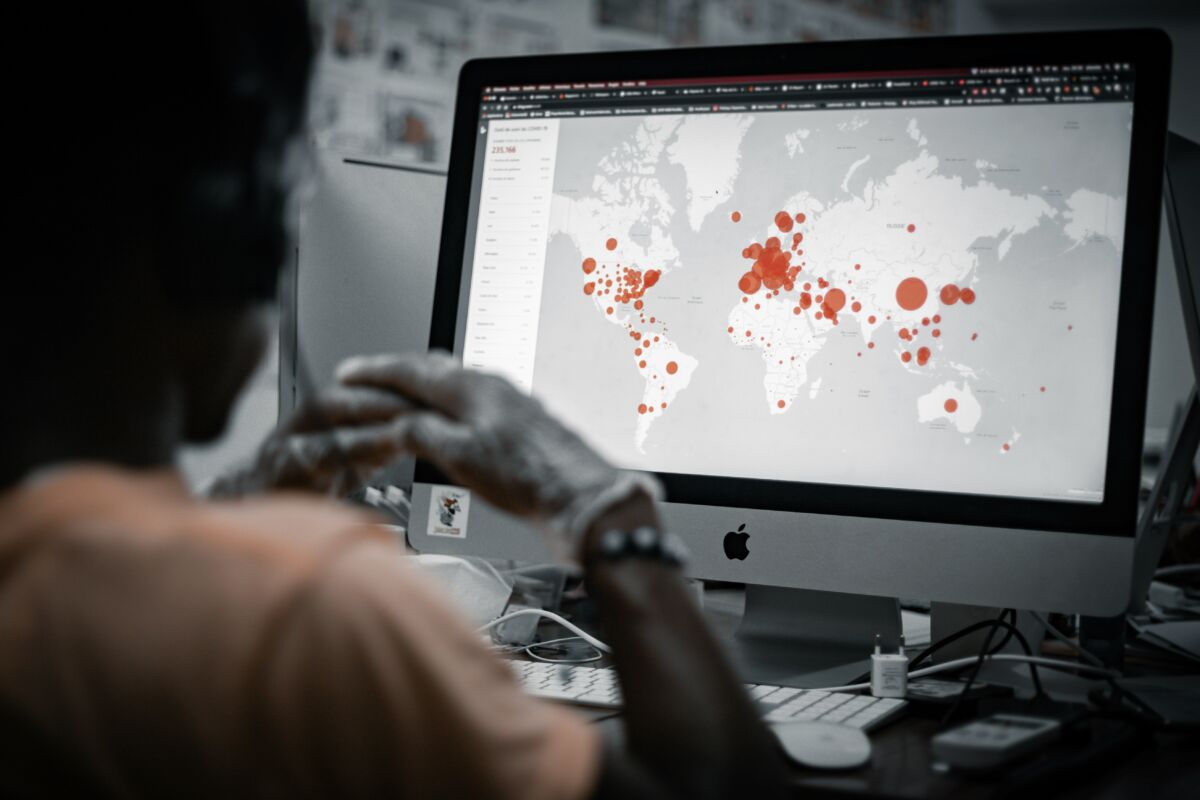

The recent Ebola outbreak in Congo and Uganda has cast a long shadow over the 79th World Health Assembly (WHA) in Geneva. As of late June 2026, the two countries have reported 915 confirmed cases, including 234 deaths. The rapid spread reflects limited local contact tracing, weak laboratory capacity to detect the virus, slow case confirmation, and the absence of licensed therapeutics and vaccines for this particular strain of the virus.
Yet Ebola is just another reminder that many health aspects haven’t been delivered as a true global public good, just as the WHO warns the world is on course to miss every single health-related Sustainable Development Goal.
The WHA response included a WHO-hosted process to reform the world’s health architecture and a new strategy on the economics of ‘health for all’. To some extent, they both feature health as a global public good: keywords include surveillance, data, knowledge, access to innovation and essential health goods, and global health equity.
But progress is fragile. The US’ withdrawal from the WHO and its bilateral deals with low- and middle-income countries (LMICs) continue to fragment global governance. Argentina’s near exit suggests others may follow.
Negotiations over the Pathogen Access and Benefit Sharing (PABS) framework missed the May deadline and have been extended by a year. As Ellen Johnson Sirleaf and Helen Clark, co-chairs of the Independent Panel for Pandemic Preparedness and Response, put it: ‘If a new pathogen emerged today, the world remains largely unprepared for it.’
Recent reform initiatives, including the Accra Reset to European Donor Alignment, Gavi Leap and the Lusaka Agenda, all share a common blind spot: a heavy focus on financing, with not enough attention on capacity building and knowledge sharing. The EU’s Global Health Resilience Initiative (GHRI), launched five days before the WHA, has been criticised for its narrow focus on competitiveness and security, its reliance on private funding with the potential long-term budgetary costs for vulnerable nations, and its suboptimal solutions for technology transfer and local capacity.
That’s why the road ahead calls for a bold reimagining of health as a global public good – grounded in resilience, inclusiveness and adaptability. And the EU should be in the driving seat.
Evaluating the EU’s progress
A recent CEPS paper identified three areas where the EU can best deliver health as a global public good, or at least as a club good (whose benefits are restricted to defined club members): surveillance, health innovation and supply chain data sharing. There’s been some progress… but gaps remain.
In surveillance, the Ebola outbreak shows that weak contact tracing, insufficient laboratory capacity and uncertainty about geographic spread may allow outbreaks to escalate, underscoring why surveillance should be treated as a global public good.
The EU has made some decent progress in global surveillance, including through wastewater surveillance (EU-WISH and GLOWACON), pathogen genomic sequencing and One Health surveillance. It also manages several EU-level platforms (ATHINA for medical countermeasures and EpiPulse for infectious diseases), alongside supporting the WHO’s epidemic intelligence platform (EIOS).
However, efforts are spread across multiple actors with overlapping mandates. Interoperability gaps in reporting formats and data standards complicate EU-level integration, let alone globally. And if accessing ATHINA’s intelligence is restricted to the EU institutions, then it simply won’t be a genuine global contribution.
In health innovation, the EU’s funding landscape tells a sobering story. EU4Health has already seen budget cuts. The next MFF risks calibrating R&D spending increasingly around European competitiveness. Less than 10 % of the Global Gateway’s budget is allocated to health, lagging far behind climate, transport and digital. Meanwhile, EU4Health, Horizon Europe and Global Europe operate largely in silos.
Globally, the barriers are equally stubborn. Technology transfer platforms like HTAP rely entirely on voluntary participation and the Pandemic Agreement’s provisions on technology transfer remain non-binding. During Covid, the EU had significant procurement leverage and chose not to use it to promote broader access.
Even where technologies are available, deployment remains a distant prospect for many LMICs, which lack the infrastructure, manufacturing capacity and skilled workforce to make use of them – Africa imports 99 % of its vaccines.
Finally, medical supply chain data transparency is increasingly recognised as essential for pandemic preparedness and increasingly more urgent as conflict and geopolitical tensions disrupt supply chains, as we’ve seen in the Ebola outbreak.
The EU has made progress through the EMA’s reinforced role, the Emergency Framework Regulation, and the Critical Medicines Act (CMA). Still, mandatory reporting to authorities remains crisis-triggered rather than routine, leaving decision-makers with insufficient visibility during the preparedness phase. The OECD warns that fragmented national stockpiling risks widening supply gaps. The Pandemic Agreement aims to address this through a Global Supply Chain and Logistics Network, yet this hinges on the Agreement going into full effect.
Companies hold legitimate commercial interests and some data carries real security sensitivities. The critical question is what minimum level of upstream transparency, with appropriate governance guardrails, should be routinely available before a crisis hits. Emerging tools, including blockchain and distributed ledger approaches, offer potential mechanisms for rules-based, tiered access to supply chain data. Still, the real challenge is finding consensus.
What should be done
In surveillance, the EU should strengthen coordination and interoperability across surveillance initiatives, ensure coherence in its external representation, and deliver threat intelligence as a global public good, ensuring that at least some of outputs are openly accessible.
In global health innovation and ensuring that it becomes a global public good, it should focus on a systemic approach, coherent and durable EU funding in the next MFF, and promoting shared norms in R&D funding and joint procurement.
In supply chain data sharing, the EU should extend its reporting requirements on medicine shortages to the preparedness phase, shape transparency provisions for global interoperability under the CMA, and coordinate internationally on supply chain data collection and stockpiling.
Alas, the window is narrowing. The MFF negotiations, the CMA trilogue and the PABS negotiations are already underway. What happens with them will shape the global preparedness architecture for years to come.
Ursula von der Leyen announced the GHRI ‘because the world is looking to Europe – and Europe is ready to lead.’ But it’s the gap between that ambition and current engagement levels where credibility is won or lost.
This CEPS Expert Commentary accompanies a recent CEPS report which can be accessed here.