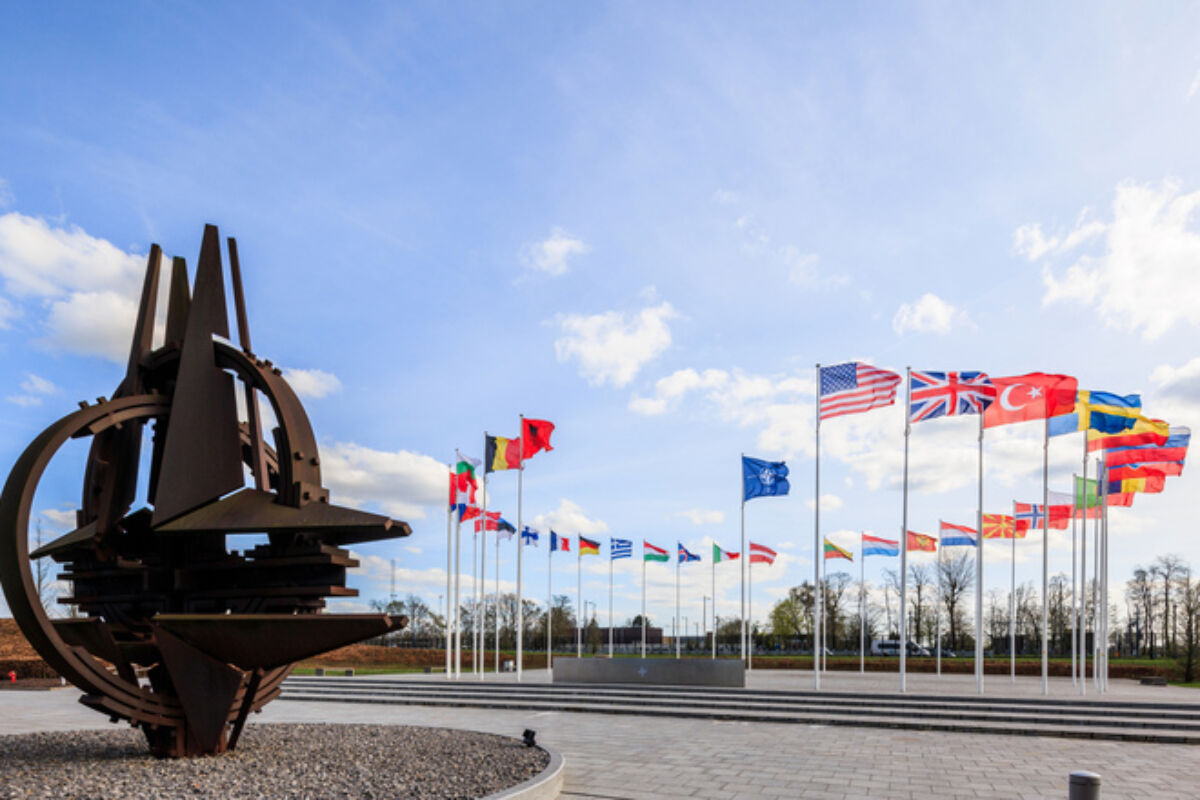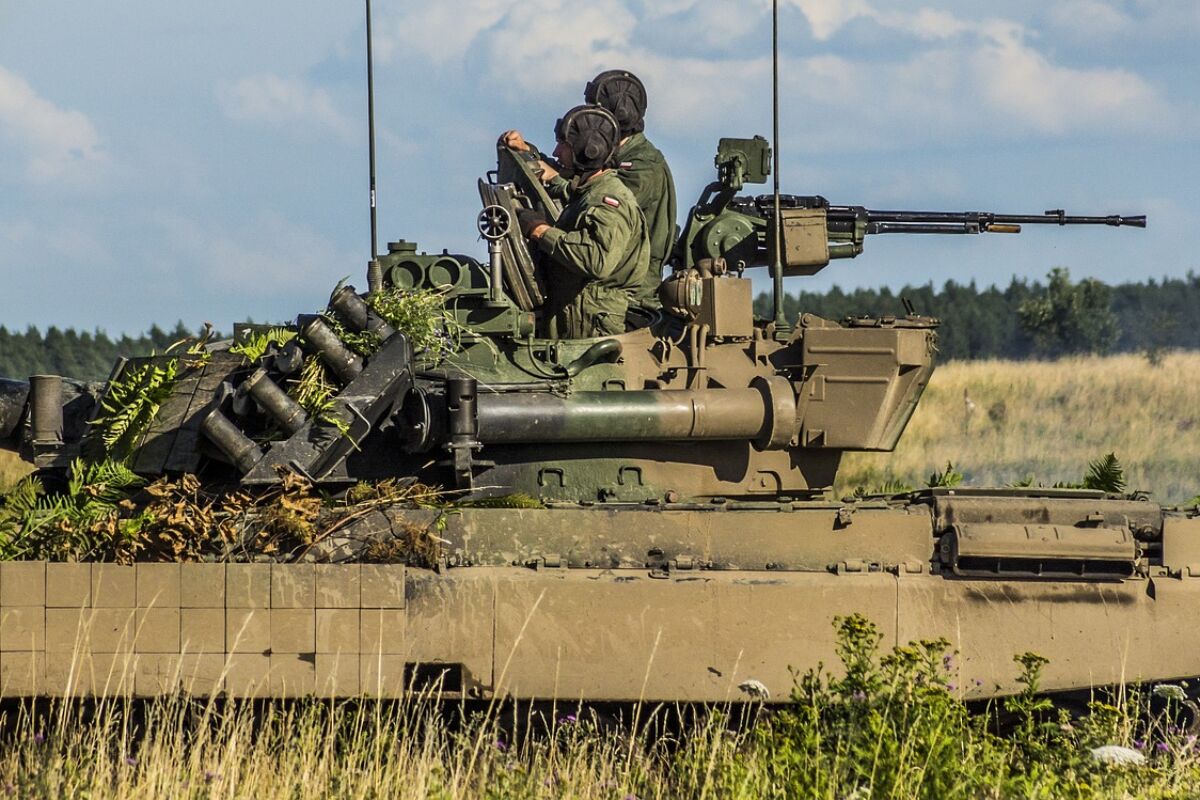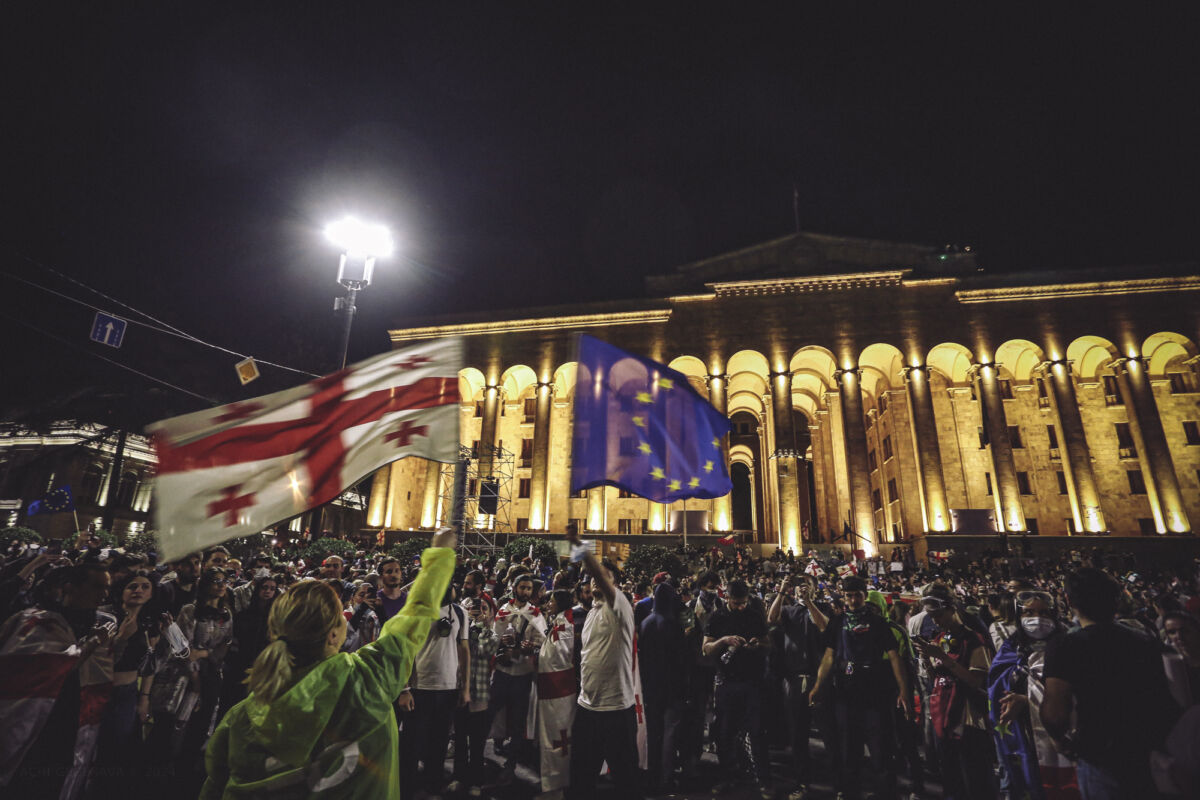

Russia’s war of aggression against Ukraine and destabilising actions by the second Trump administration have pushed geopolitics to the brink. With conflict spreading across the Middle East and tensions rising worldwide, the US is now reconsidering its role in NATO and preparing to shift critical assets away from Europe.
The implications are immediate and severe – Europe is being driven to a decisive inflection point, where it must act now to secure its own defence or face growing vulnerability in a rapidly deteriorating security landscape.
Europe’s policy response so far has consisted primarily of committing more money for defence at the national level and developing instruments to boost joint production and procurement, mostly at the EU level. Yet concerns remain about the uneven nature of defence spending, countries’ ability to follow through on the needed capability ramp-ups, and the limited ability of existing measures to drive the needed defragmentation of Europe’s defence industry.
Meanwhile, concerns about the possibility of a Russian kinetic or hybrid attack against one or more European allies, uncertainties about citizens’ willingness to take up arms, and doubts about the timing and nature of support that the US would be willing or able to provide in an Article 5 situation have grown.
Despite the return of full-scale war on the European continent with Russia’s renewed invasion of Ukraine, Europe still appears to be treating this existential security crisis like a regular bureaucratic undertaking that it can address at its leisure.
It’s at this critical juncture that CEPS, RUSI, Clingendael and IEP/Bocconi convened a task force with relevant stakeholders to substantiate what politicians often casually refer to as a ‘European pillar of NATO’ – but few can say what this means in practice and whether it would offer a credible deterrent.
The task force report outlines three possible pathways to shore up Europe’s defences: a more European NATO; a new European multilateralism; or EU-led defence cooperation.
Three pathways
The task force argues that European policymakers are currently in no position to discard any of these pathways. But given the lack of viable alternatives to NATO as well as existing dependencies on American arms manufacturers, software and strategic enablers until at least the end of the decade, the report recommends that Europeans continue with the ‘Europeanisation of NATO’ as a matter of priority (Pathway 1), thus rebalancing the transatlantic contribution to the Alliance and taking it over if the US were to leave.
This effort shouldn’t just consist of Europeans gradually taking over leadership positions from US generals and replacing American officers at lower levels. It should also entail the reconstitution of the ‘Eurogroup’ for political coordination within the Alliance and explore a geographical redistribution of joint command centres to enable them to be led and operated by European allies should the US decide to be less or no longer involved.
The second pathway – a new European multilateralism – provides additional means for preparation and action by subsets of allies should the US (or any other ally) render NATO dysfunctional from within, for example by slow rolling or blocking political decision-making or frustrating operational command in an Article 5 situation.
Europeans should already now take steps to strengthen, connect, and consolidate existing ‘minilateral’ security arrangements, considering how they could be knit together into a more coherent whole. Enhanced minilateralism would include a political consultation and decision-making mechanism akin to NATO’s North Atlantic Council such as a European Security Council* (ESC) to enable a coalition of the willing to act.
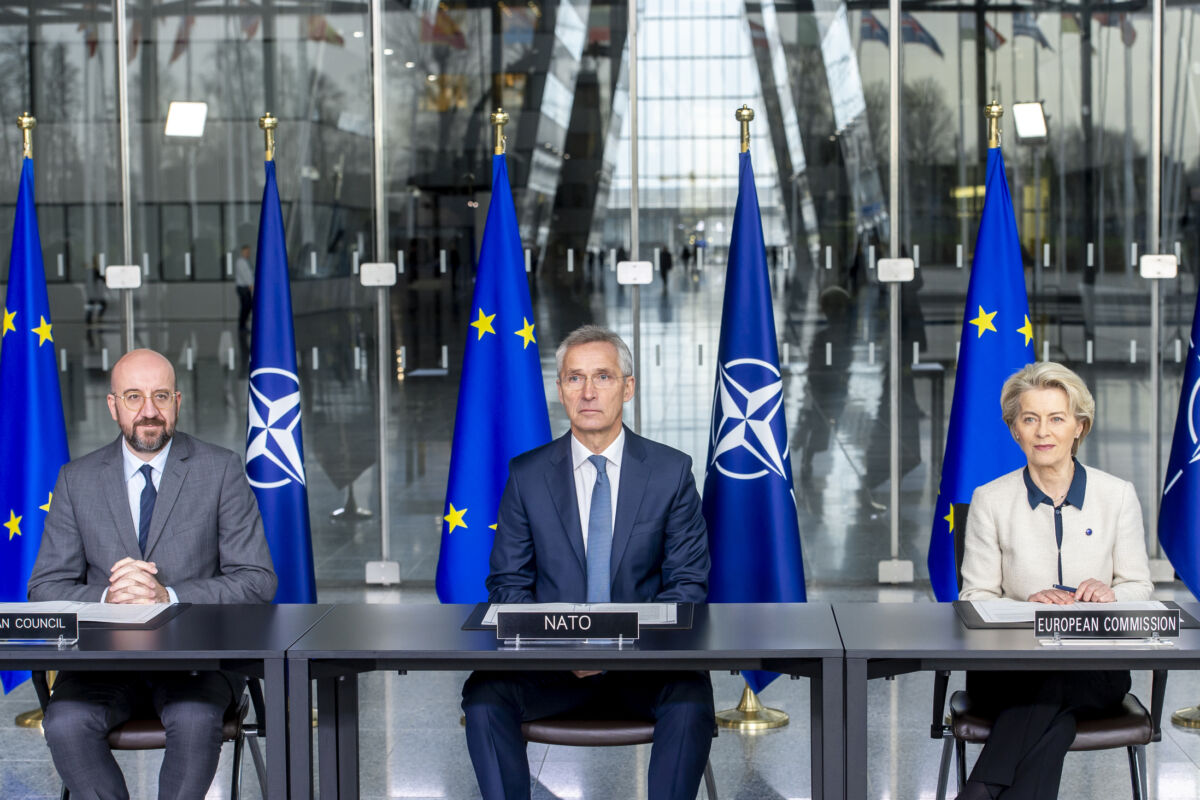
Such an ESC should include NATO’s Secretary General and the Presidents of the European Council and Commission, each acting within their own prerogatives. This ESC would have to be supported by the appropriate command structures, operational capacities and dedicated budget. Placing such a pillar of European security on the footing of an intergovernmental agreement would anchor decision-making procedures on a national democratic backstop that works for a membership of both military powerful and less powerful European states.
Pathway 3 concerns EU-led defence cooperation. In terms of capability development, the EU has a comparative advantage in supporting not just those 23 Member States which are allied to NATO, but also its associated, candidate and like-minded countries (e.g. Norway, Ukraine, and the UK) to translate defence spending targets into concrete investments and deployable military assets.
Obstacles that prevent NATO and the EU from creating maximum synergies in capability development should be removed. NATO should share the necessary information with the corresponding EU structures. For its part, the EU should rebalance defence industrial relationships with the UK and other non-EU members of NATO to serve mutual strategic interests. This entails, among others, the opening of the SAFE (Security for Action in Europe) loan instrument to a wider group of like-minded countries, such as the UK, to finance priority capabilities; accelerating the integration of Ukraine’s defence industry into the single market; and instilling more reciprocity in the transatlantic industrial alliance.
EU treaty reform isn’t on the cards anytime soon. That’s why progress towards a genuine European Defence Union will therefore be incremental and partial. The operationalisation of the EU’s mutual defence clause should nevertheless be prioritised within the current institutional configuration. Existing command structures and EU force packages should be readied accordingly to supplement tasks performed by national armies.
New realities, new posture
Since the end of the Cold War, Europe’s security architecture has been designed primarily around crisis response. This approach assumes a stable baseline of normality, punctuated by episodic disruptions that require temporary intervention before a return to normal. This assumption no longer reflects today’s strategic environment. Europe is now operating in a context where major powers are actively reshaping the underlying rules of the international system.
A more proactive posture is needed. Both the mitigation of risks and the ability to capitalise on emerging opportunities require earlier, anticipatory decision-making. Sustained engagement with regional partners and support for counter-drone and air defence resilience must be pursued as a matter of urgency.
The central lesson for Europe is clear: our defence, security and governance frameworks must evolve to enable timely, forward-looking decisions in an increasingly contested and unpredictable strategic landscape.
[*] Discussion of the idea of creating a European Security Council among Task Force members revealed differences of opinion. The proposal was supported by CEPS, Clingendael and IEP/Bocconi but not by RUSI.
Sauli Niinistö is a former President of Finland and the Chair of the Task Force.
To read the full report that this commentary is based on, please click here.