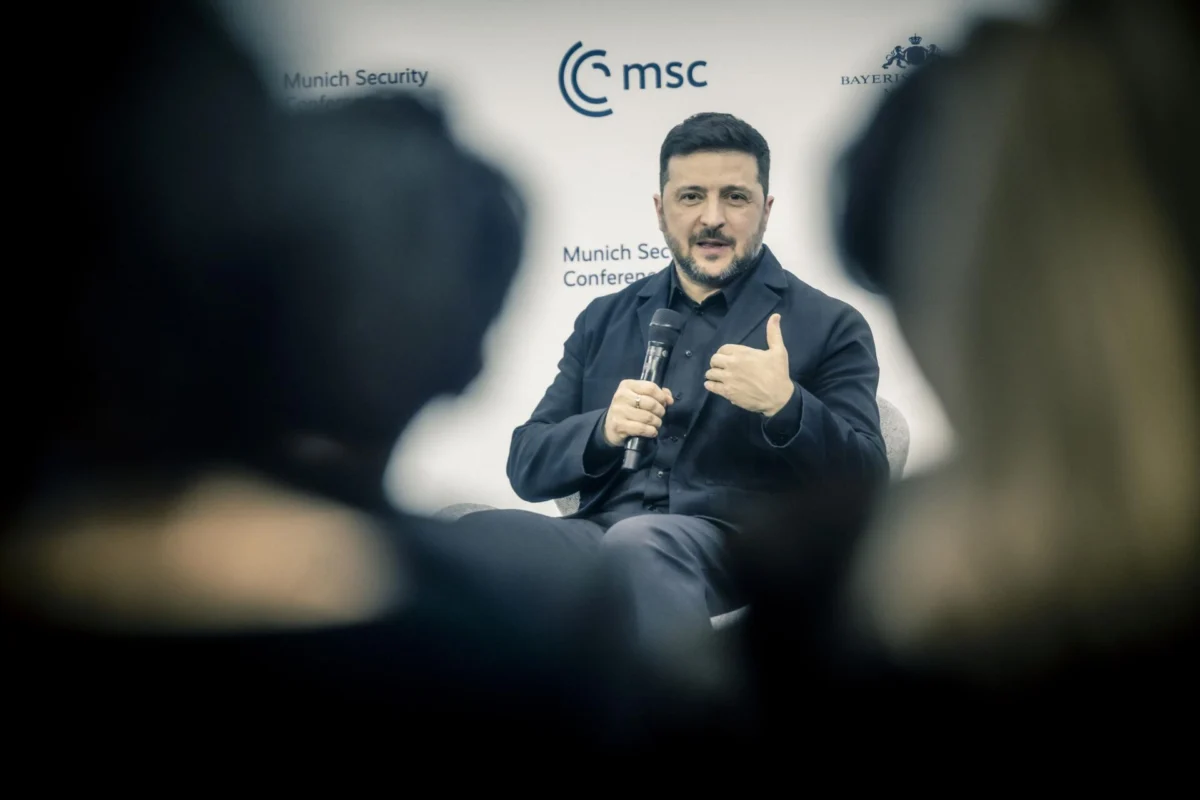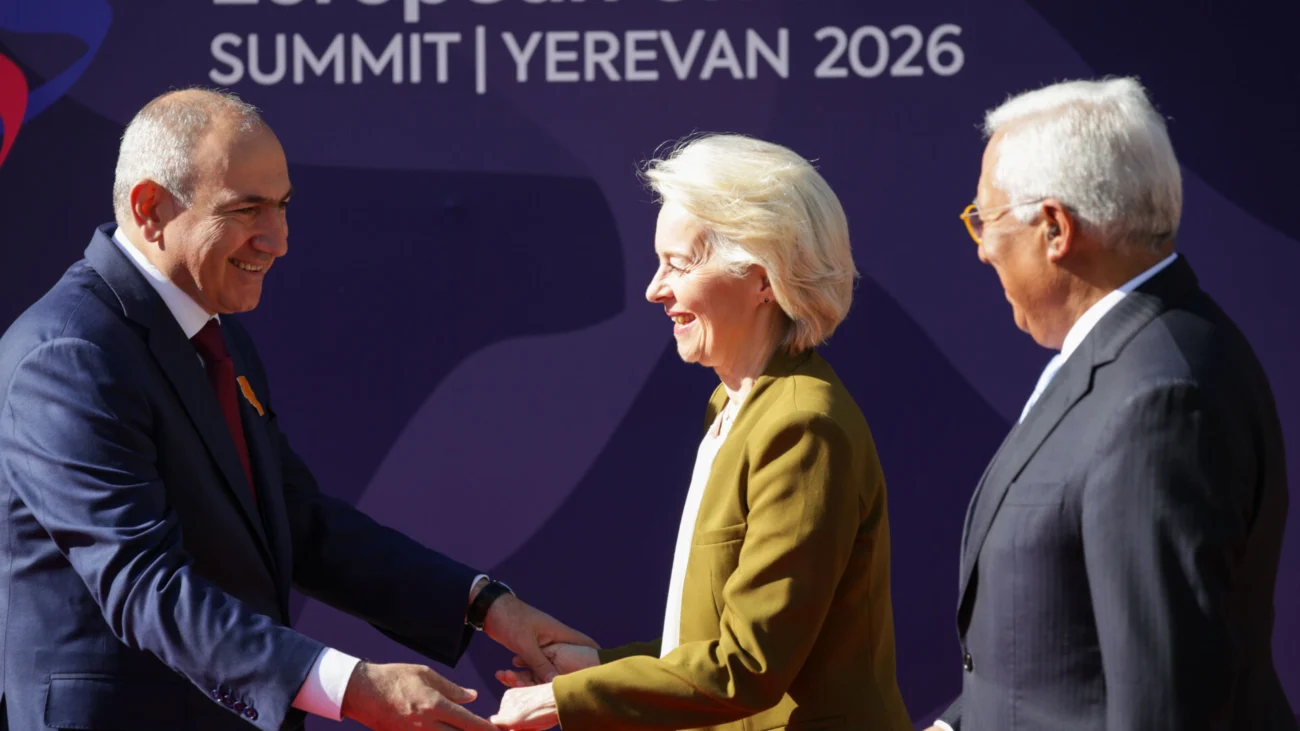

A small but remarkable new piece in the fragmenting and evolving world order is emerging. The European Political Community (EPC) met on 4 May in Yerevan, Armenia, to solidify Europe’s geographical ambitions. Forty-four European leaders were there, including President Macron, who made an official state visit to the country, President Zelenskyy, Prime Minister Starmer, but also the Canadian Prime Minister Mark Carney.
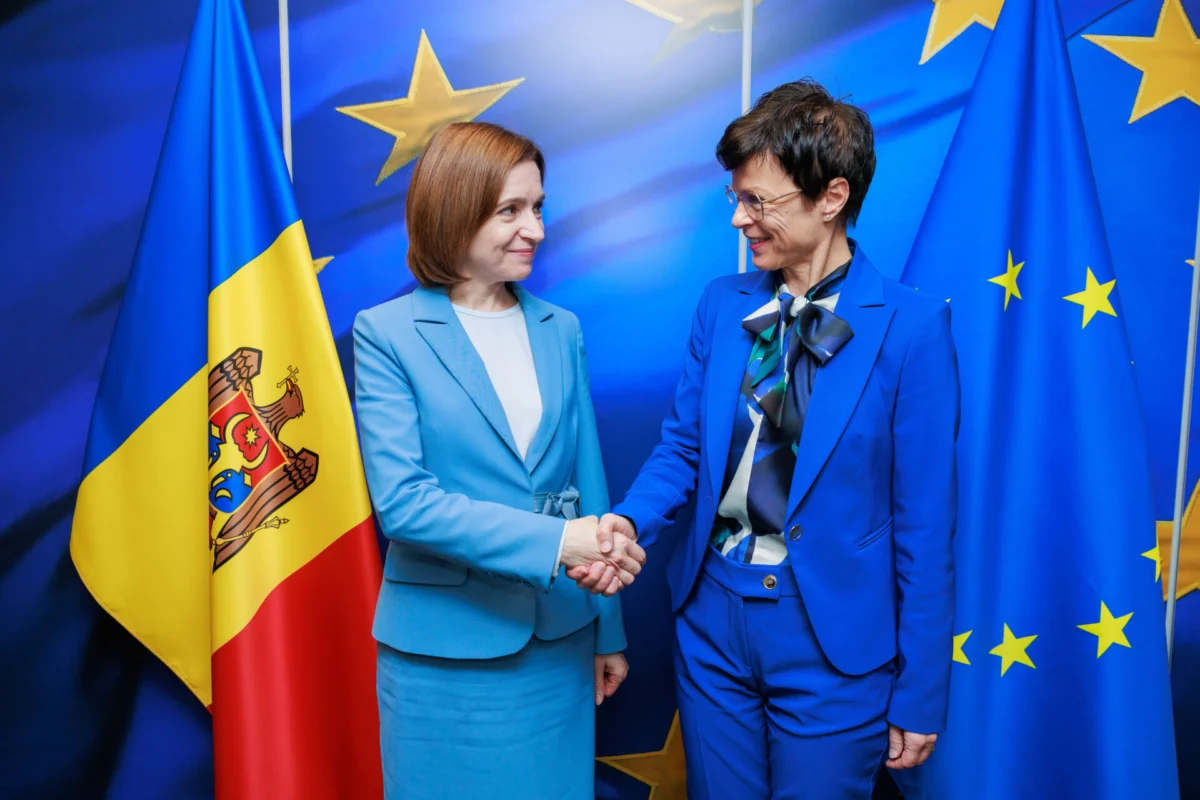
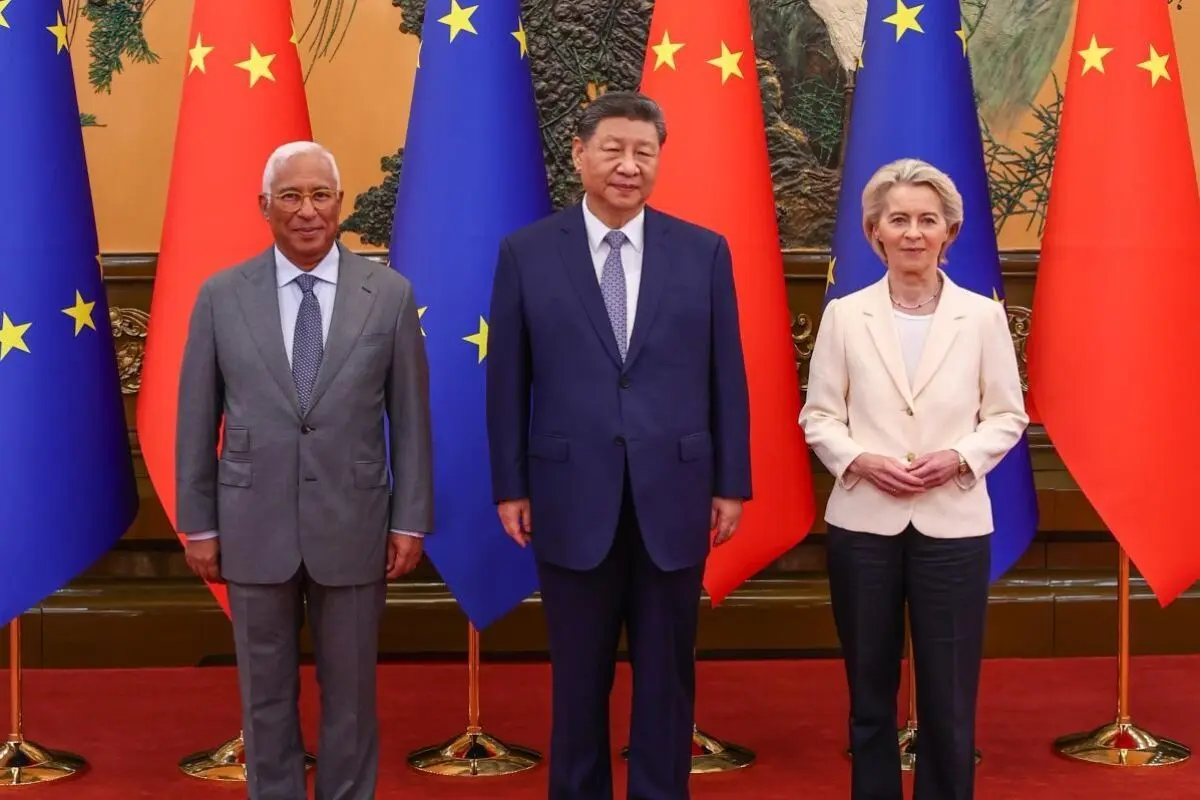
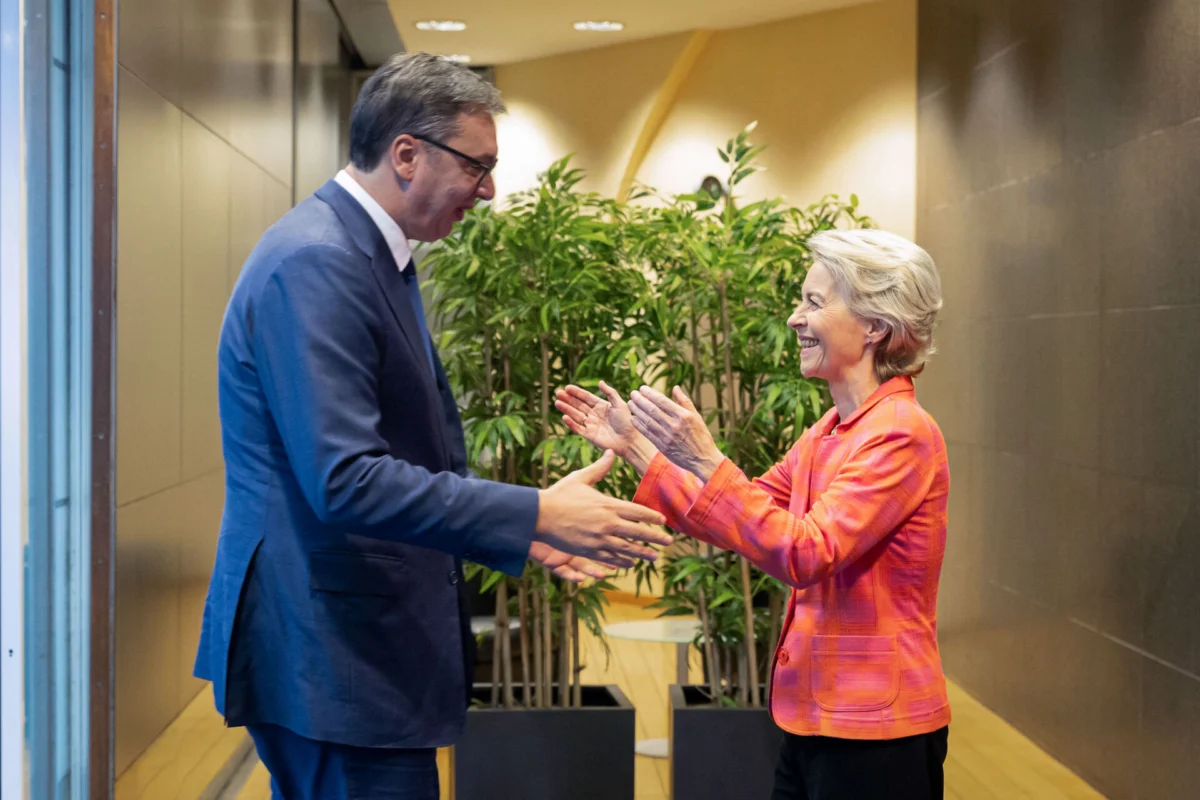
The very next day, European Commission President Ursula von der Leyen and European Council President Antonio Costa held the first ever EU-Armenia summit, resulting in the adoption of a joint declaration.
Armenia’s journey to the EU
With their lengthy and detailed joint declaration, the parties have pledged to begin Armenia’s long-term geopolitical realignment toward Europe. The EU is offering institutional integration, security cooperation, economic modernisation, connectivity investment and political backing, while Armenia has committed to becoming progressively more ‘EU-compatible’.
Russia’s post-Soviet ‘security guarantee architecture’ in Armenia has collapsed. During the painful conflict with Azerbaijan, Russia was unwilling to stop Azerbaijani advances despite its security obligations to Armenia under the Russian-led Collective Security Treaty. In the post-Karabakh settlement Armenia also saw the depopulation of the ethnic Armenian population form Karabakh under the watchful eye and utter inaction of Russian ‘peacekeepers.
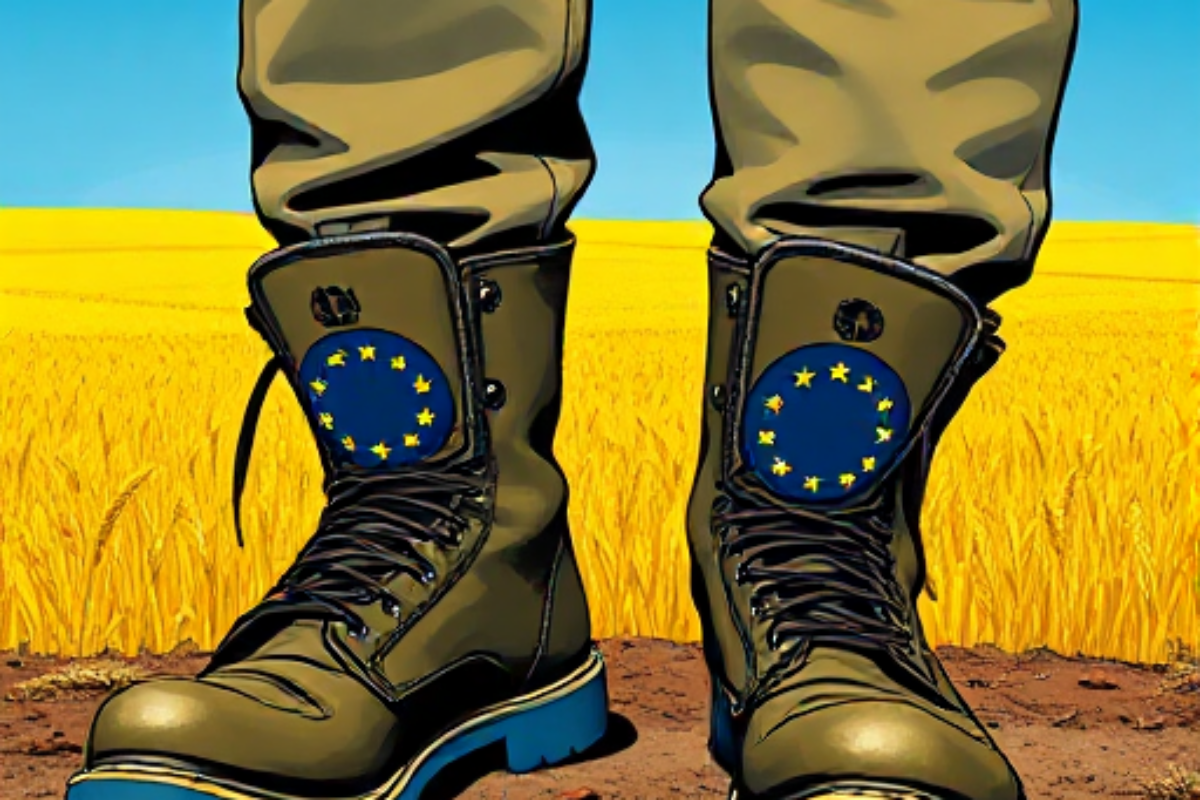
Faced with the Armenian population’s growing disillusionment with Russia and Russia’s broken security promises, Armenia’s leadership has chosen a radical re-orientation towards Europe and the West. Hardly noticed in the EU but Armenia’s Parliament already decided to start to path towards EU membership in March 2025, with its ‘Law on Launching Armenia’s EU Accession Process’.
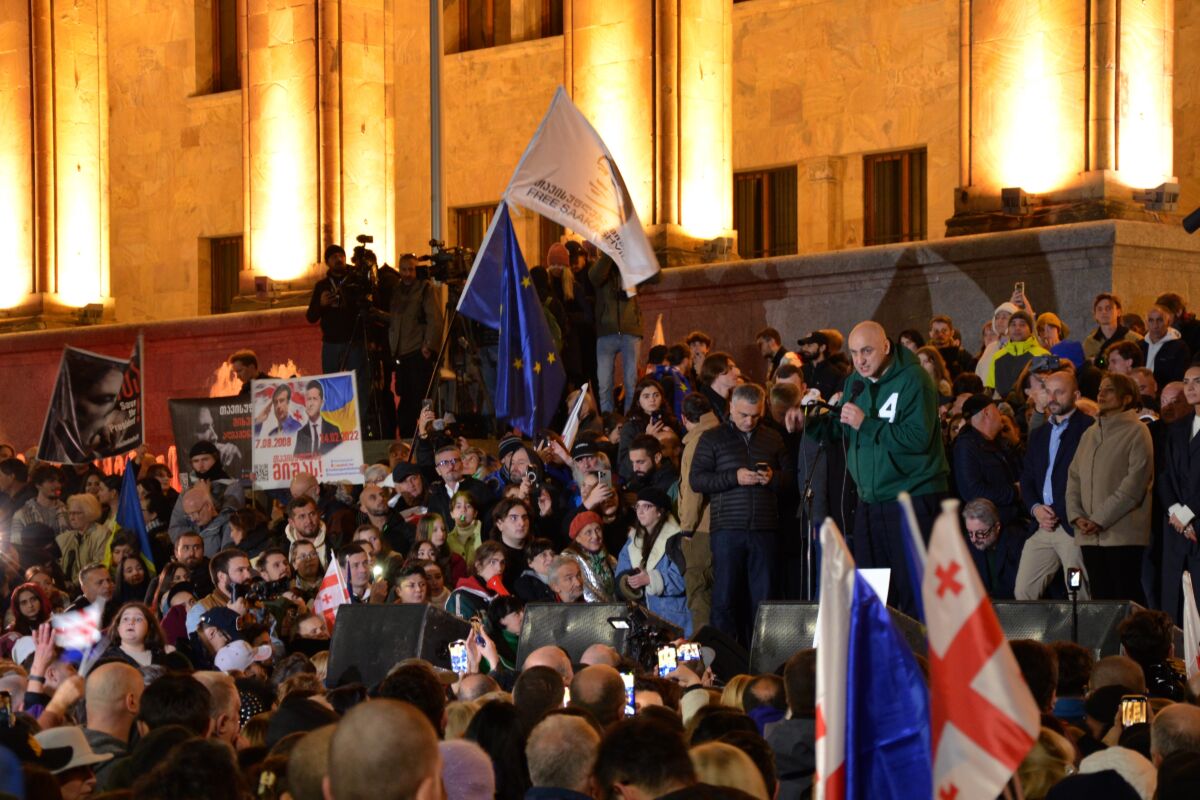
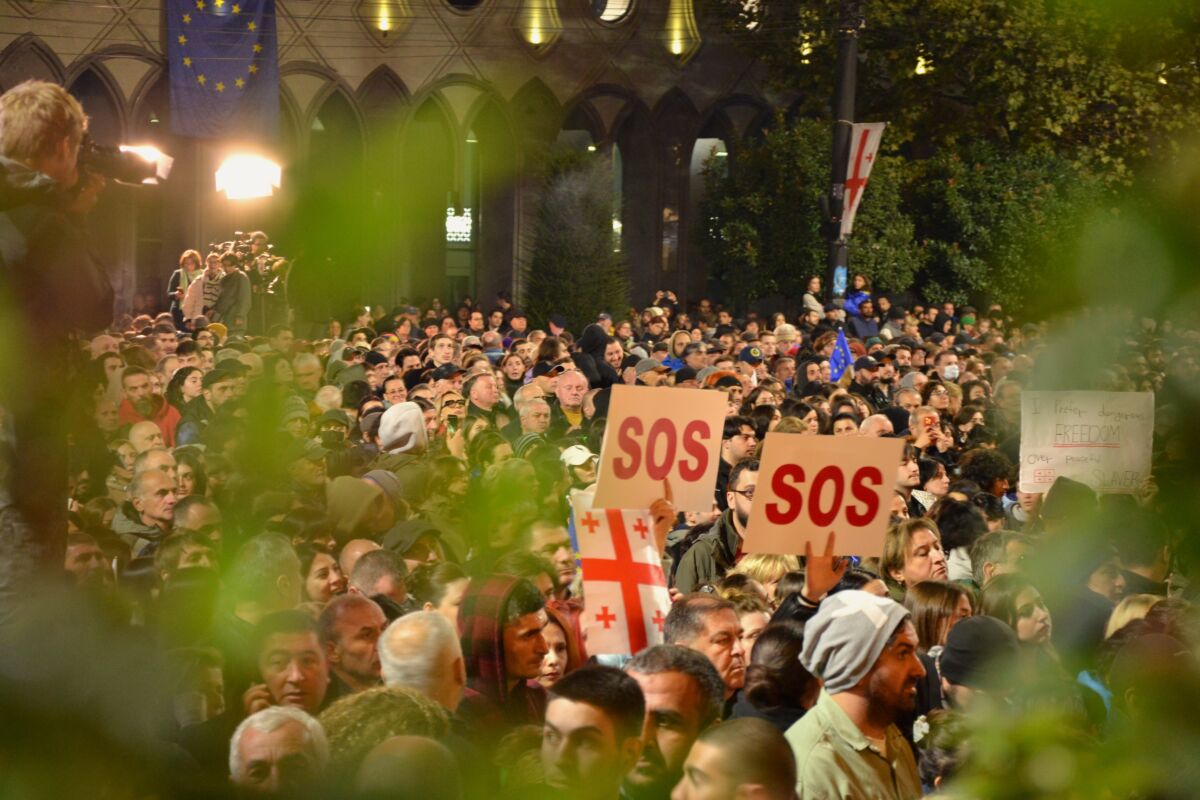
The law’s major message is that Armenia considers European integration to be its true direction for strategic development and is politically declaring its readiness to move towards EU membership whenever the EU is prepared to move forward with the process. This provides an opportunity for the EU to strengthen its influence in the region, especially after the government in neighbouring Georgia turned its back on Europe.
A golden opportunity
The Caucasus region is key for interconnectivity, as a trade corridor between Central Asia and Europe. Today, Armenia is landlocked between four countries and heavily dependent on Russia for its trade. While most overland trade from east to west needs to pass through Georgia, the opening of Armenia’s borders would create an alternative corridor and hub. This could radically reorient Armenia’s trade flows.
The Armenian government is strongly committed to completing these corridors with roads and rail links between Azerbaijan, Turkey and Georgia. President Khachaturyan outlined this at length during the Yerevan Dialogue, the annual event organised by the Ministry of Foreign Affairs on 5 May (the day before the EPC gathering).
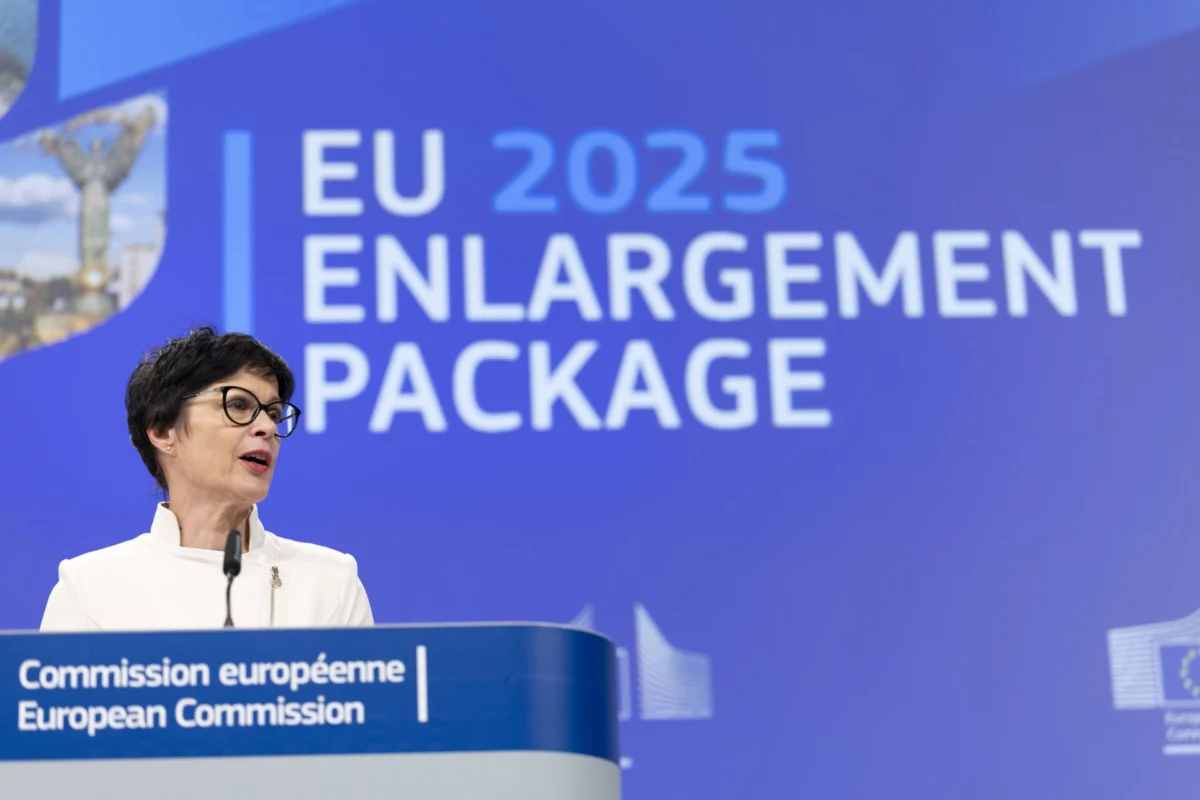
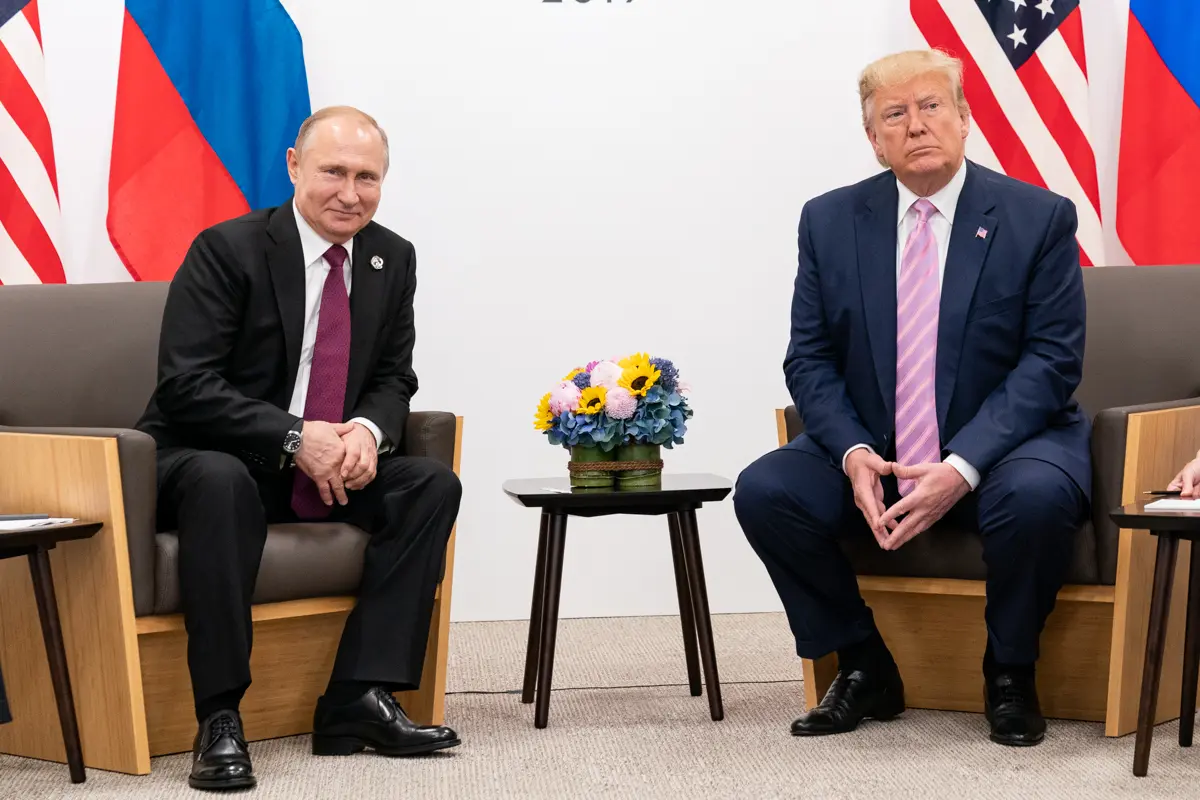
Both the US and Europe see this opportunity. President Trump concluded the TRIPP peace agreement between the Presidents of Armenia and Azerbaijan, which is being closely followed up by both countries. Meanwhile, Europe organised its EPC meeting in Yerevan and the EU and Armenia have set out a broad cooperation programme. The EU has unblocked a EUR 270 million Resilience and Growth Plan and established an EU-Armenia Connectivity Partnership to facilitate EU investments expected to reach EUR 2.5 billion under the Global Gateway.
The programme ‘deepens and strengthens cooperation and dialogue across the whole range of security and defence topics’, including non-lethal assistance under the European Defence Fund, cooperation with the European Security and Defence College (ESDC) and participation in the EU’s crisis management operations through the CFSP.
Armenia also plans to cooperate in EU high tech initiatives such as the Chips Joint Undertaking, the High-Performance Computing Joint Undertaking (EuroHPC JU) and the EU’s various AI initiatives. Finally, it also enhances cooperation in justice and home affairs.
The EU mustn’t flinch
As the agreement comes a month ahead of crucial parliamentary elections in the country, it’s been argued that it’s playing directly into the interests of the governing party. Alas, the alternative on offer would be three Russia-backed billionaire oligarchs with extensive business interests in Russia – hence why the EPC meeting and the joint declaration are of extremely strategically significant and deserved far more coverage in the EU media. The potential benefits aren’t only political but also crucial for the region’s overall economic development.
The EU has also deployed a hybrid rapid response team to Armenia ahead of the upcoming elections. There are fears that Armenia is already the target of growing, coordinated and manipulative activities seeking to undermine political processes, social cohesion and democratic institutions through disinformation, misinformation, cyber operations, covert influence networks, targeted hack and leak operations and information warfare.
Influence campaigns, manipulative social media ecosystems and recurring anti-EU narratives designed to deepen polarisation and weaken public trust in democratic institutions are growing. Alongside all this, Russia and Kremlin-linked proxies are threatening retaliation and economic sanctions against Armenia. What this means is that Armenia’s democratic resilience is increasingly dependent on the EU’s resolve to support the country.
Armenia has made its civilisational and strategic choice. The EU’s response through the joint declaration, explicitly referencing Armenia’s legal efforts to eventually accede to the Union is highly positive and should be celebrated. Now the EU must ensure that it doesn’t abandon its new best friend in a volatile yet geopolitically vital region.
This commentary expands on a previous CEPS Substack piece.