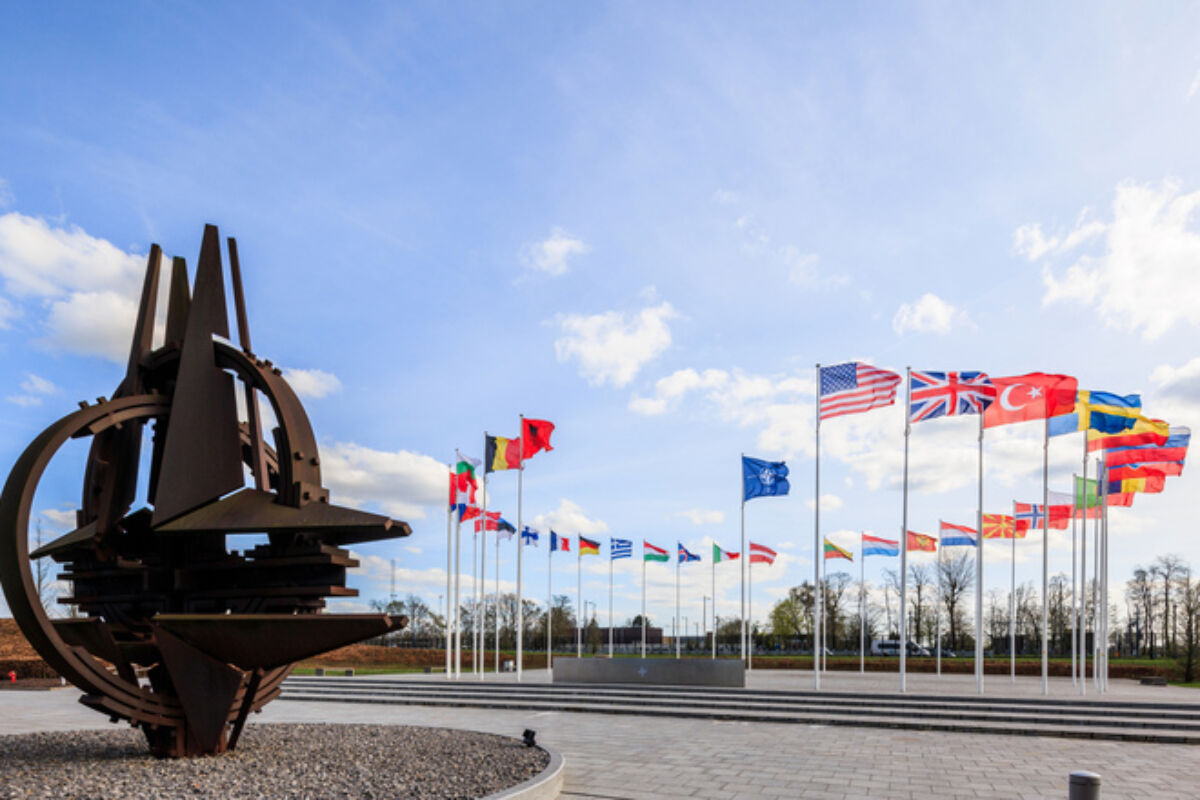

Turkey-EU relations are complex. Although EU leaders increasingly refer to Turkey as a ‘partner’, it remains a formal candidate country fundamentally tied to Europe through its customs union, NATO membership, Horizon Europe association and regulatory convergence with EU standards.
Turkey’s EU accession negotiations are frozen due to the country’s democratic backsliding and concerns over the rule of law and freedoms. This causes a dilemma for the EU: how to deepen cooperation with Turkey in critical strategic domains while its accession prospects remain stalled.
Turkey is too important for regional security, managing migration and energy corridors for the EU to ignore it. Yet it lacks a long-term policy for its relations with Ankara. While it often turns to Turkey in moments of crisis, the relationship’s transactional nature makes developing a comprehensive framework more difficult.
The 2015 migration crisis created significant political pressure within the EU, with the consequences still visible today through the rise of many far-right parties across Europe. It also served as a wake-up call that regardless of the accession process, Turkey remains indispensable.
The EU’s ‘transactionalism’ was supposed to be temporary, but it’s been repeatedly used over the past decade despite its limits and the longer-term strain on the EU’s relevance in Turkey. It also sidelines the very values which the EU is founded on.
Transactional engagement has also been extended to energy security, foreign and security policy, trade and counter-terrorism. Today, amid the Russian threat and increasingly uncertain transatlantic relations, Turkey is once again being seen as a key country in the highly strategic domains of defence and energy connectivity.
This recurring pattern highlights a core problem: Turkey is repeatedly called upon to manage Europe’s most consequential crises. Yet the framework governing Turkey-EU cooperation remains one of short-term crisis management rather than long-term strategic planning.
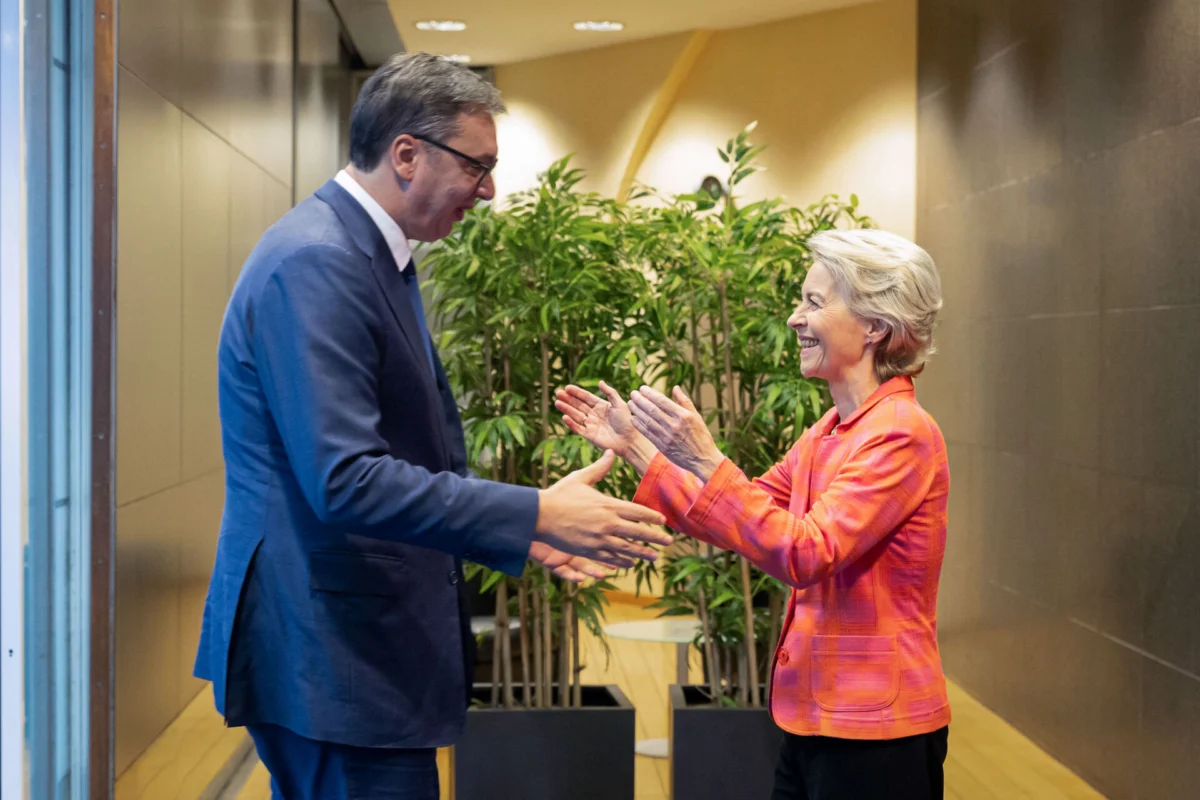
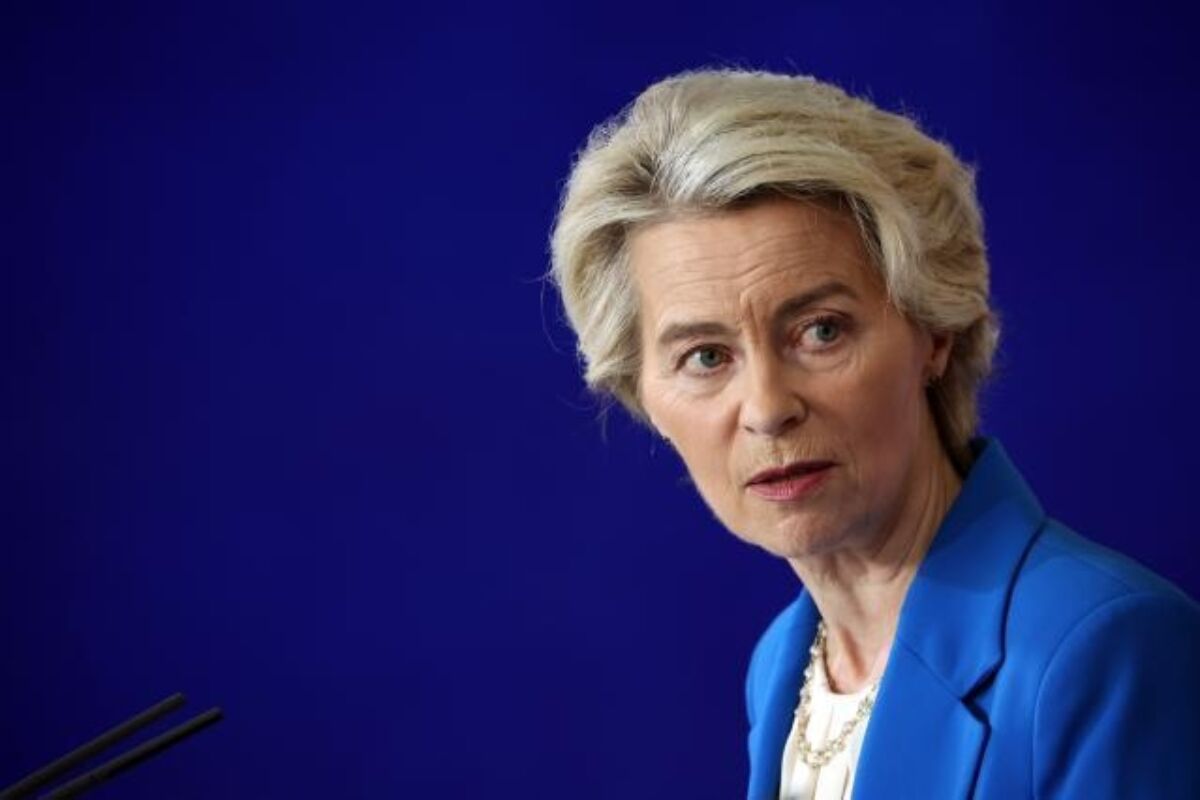
There are also diverging views among leaders as European Commission President Ursula von der Leyen’s stance clearly positions Turkey differently from Germany’s Chancellor Merz.
The transactional trap: an unstable model for both sides
Global geopolitical volatility makes the transactional model increasingly unstable. As the rules-based international order comes increasingly under pressure (from Russia, America’s multilateral retreat, China’s assertiveness, and the proliferation of regional conflicts and proxy wars which cause migration, instability and energy and supply chain disruptions), the EU’s pursuit of strategic autonomy requires reliable and institutionalised relationships.
The current state of Turkey-EU relations falls short of this. Transactionalism allows both sides to manage crises, but it hasn’t generated the trust, predictability or strategic alignment needed for meaningful cooperation. Without addressing broader political issues, even the most promising initiatives will struggle to reach their full potential.
Two factors largely explain this gap: the EU’s lack of clarity about Turkey’s role in Europe’s future and ongoing democratic backsliding in Turkey.
But the EU can’t afford to maintain such ambiguity towards a country of such strategic importance. As a new European Parliament report suggests, the EU can be vocal about democracy and the rule of law in Turkey, while still advancing relations with a strategic vision. Doing this would also help restore the EU’s relevance.
Turkey cannot simply be reduced to its current government, and the EU’s engagement can’t be held hostage by assuming that the political status quo is permanent.
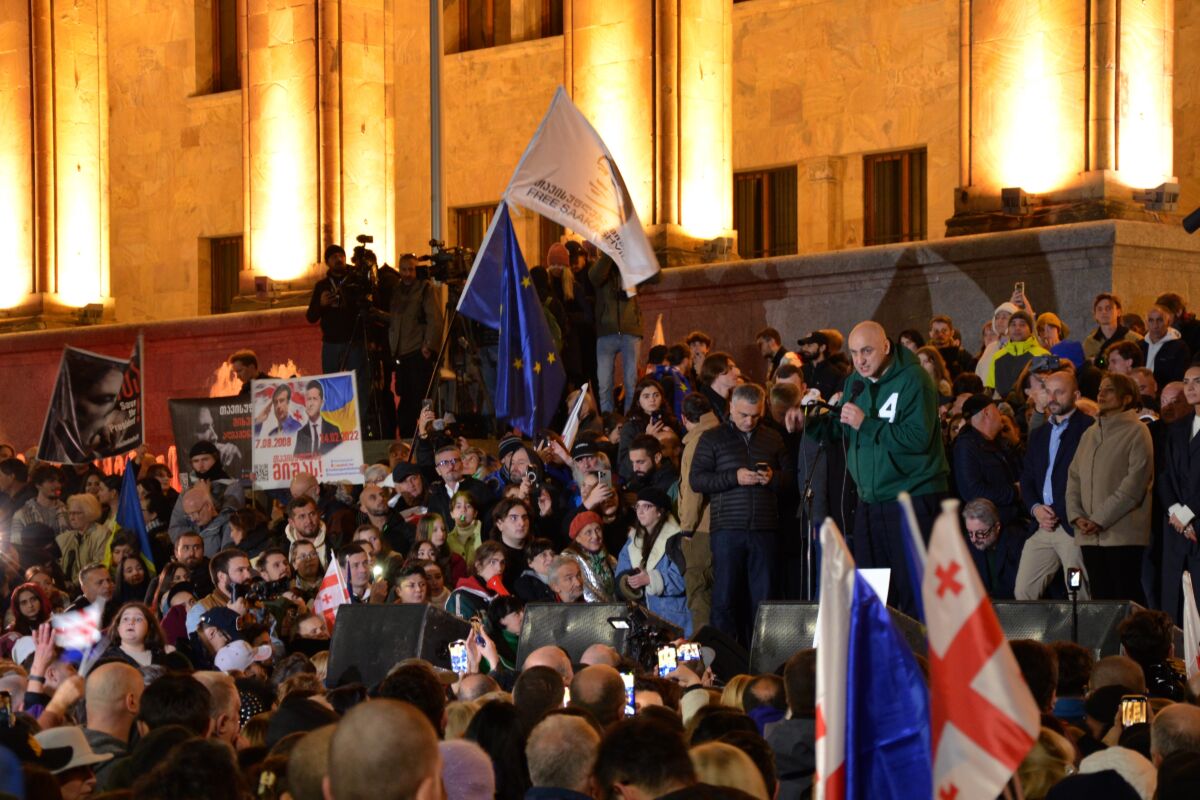
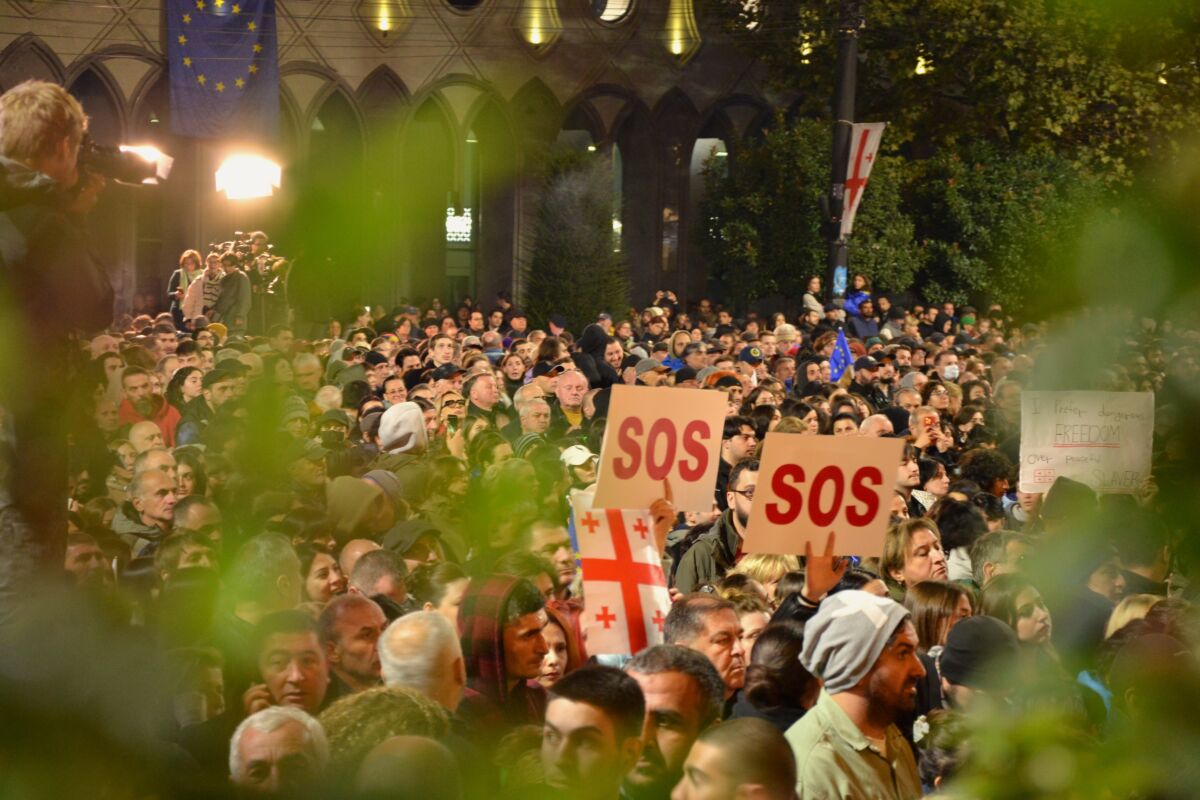
While the path to democratic change isn’t an easy one and the Turkish government’s increasing pressure on the opposition continues to raise concerns in Brussels, there are also some positive signs. The main opposition party’s strong stance on democracy, the continued popularity of the opposition’s presidential candidate, Ekrem İmamoğlu (despite his imprisonment) and sustained civic mobilisation regardless of mounting constraints all point towards possible democratic change.
The main opposition party (the Republican People’s Party – CHP) has built a programme centred on restoring judicial independence, reinstating checks and balances, rebuilding civil space and freedoms, and re-energising the EU accession process. This isn’t a marginal position. Rather, it’s the programme of a party that won more votes than the governing alliance in the 2024 local elections.
All this is why the EU shouldn’t remain silent. It should actively call for an end to politically motivated cases against the opposition, maintain close dialogue with opposition figures, and support civil society and independent media.
A new vision for Turkey-EU relations
The Turkey-EU transactional model has reached its limits and that’s why the EU needs to develop a new vision for its relationship with Turkey.
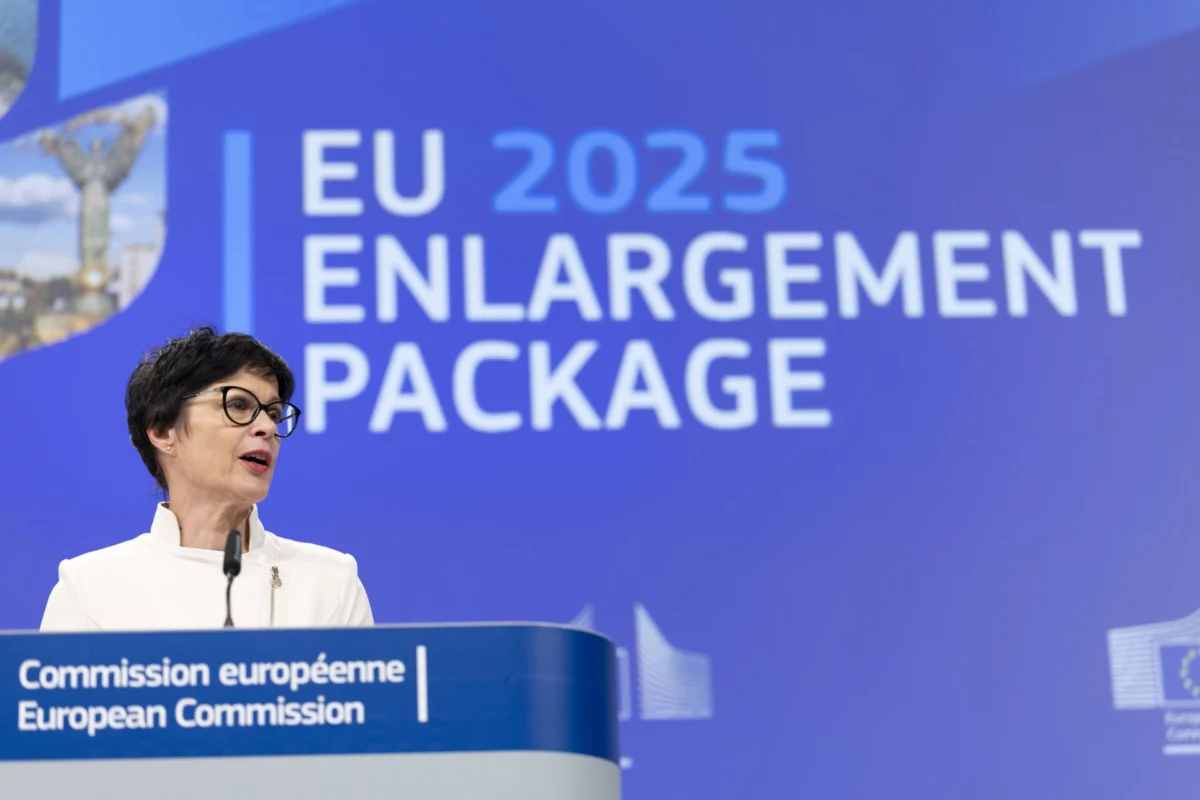
While accession prospects should be preserved and reaffirmed, the relationship should evolve into a transparent framework outlining possible pathways, supported by clear benchmarks and a realistic appraisal of future potential. The ongoing enlargement debates, particularly regarding Ukraine, could also offer useful reference points.
The priorities are now less about revisiting the technical details of accession and more about resetting a strategic direction. This means reaffirming Turkey’s status, even if negotiations remain frozen, emphasising a long-term perspective, and re-energising high-level political dialogues based on mutual interests and shared values rather than narrow transactional exchanges. It also requires setting well-defined and credible benchmarks for progress.
While major reforms and returning to the accession process may not be feasible for now, such a framework could still spur progress and restore the EU’s relevance in Turkey. This includes updating the customs union in its scope and rules in line with current realities and the principle of fairness. There could be more structured Turkish participation in the European security architecture and more sustainable, values-based cooperation in areas such as migration, connectivity, energy security and critical raw materials.
Moving beyond the increasingly unconvincing ‘partner’ discourse, such a vision would also send a clear signal to millions in Turkey who support a democratic and European future. By offering a credible prospect, it could help prepare the ground for normalising relations when Turkey does return to a path of democracy.
This approach is consistent with the phased, proportionate and reversible framework endorsed by the European Council in June 2021. However, rather than remaining an ambiguous formula, it should be translated into a coherent strategy with well-defined stages.
If the EU’s truly serious about Turkey’s potential role in advancing its strategic autonomy – including in the field of European defence – such a structured and forward-looking approach is no longer optional… but necessary.