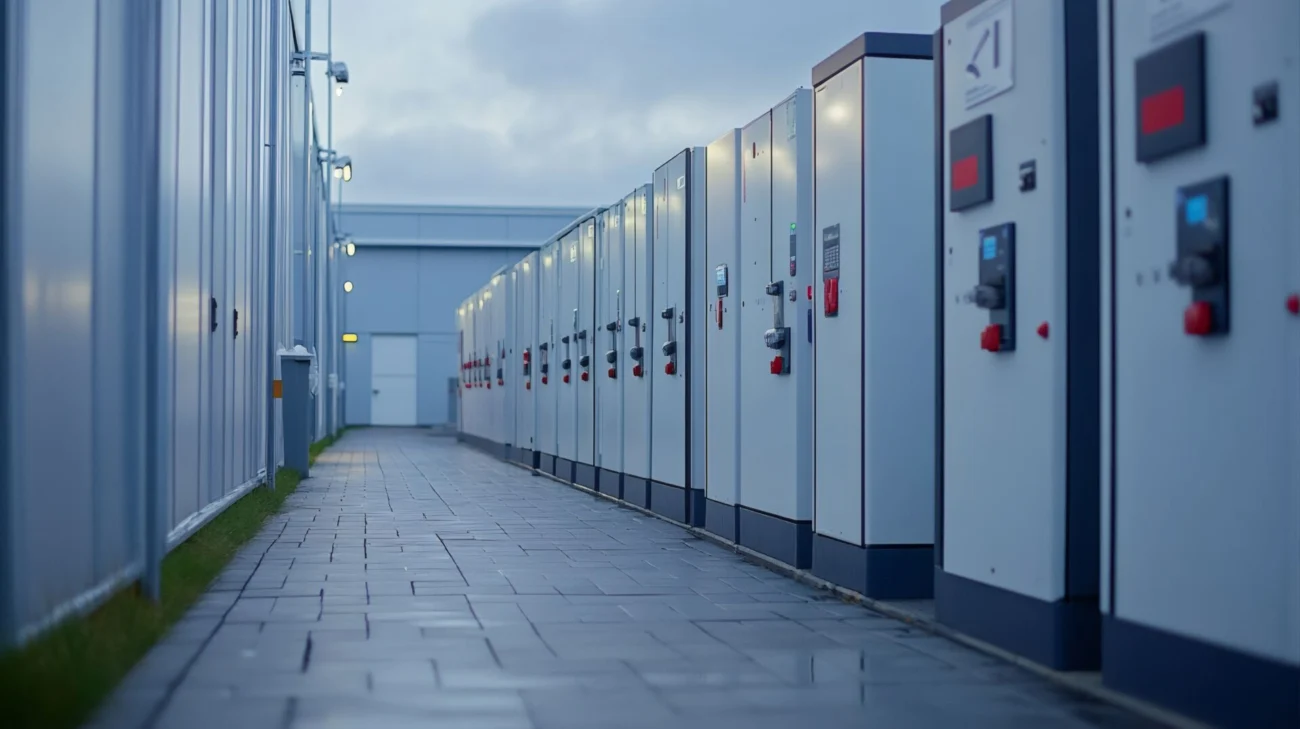

In the battery ecosystem emerging from the growing diffusion of battery-powered electric vehicles, second-life applications for batteries can contribute to more sustainable management. They can be deployed in residential, commercial and industrial settings, helping to extend battery service life and postpone their entry into the waste stream.
Across the EU, various pilots and private initiatives as well as a limited number of commercialised second-life solutions have begun to shape the landscape for second-life battery applications. Drawing on insights from pilot initiatives, this report identifies several challenges in the policy, economic, supply chain and technical domains that need to be addressed to create fertile ground for scaling up second-life battery applications. It also identifies a number of opportunities.
The report recommends that more clarity should be provided regarding the liability framework governing responsibilities for batteries entering repurposing pathways. Further efforts will be needed to adequately standardise the second-life EVBs’ framework and provide harmonised approaches in areas such as State of Health (SoH) and State of Charge (SoC). In addition, more is required to boost demand for second-life applications and help create a market for them. Funding schemes and EU-funded projects can also continue supporting innovation, particularly in the automation of repurposing processes to enable further cost reductions.
This paper was prepared in the context of the BATRAW project, which has received funding from the European Union’s Horizon Europe research and innovation programme under grant agreement No 101058359.