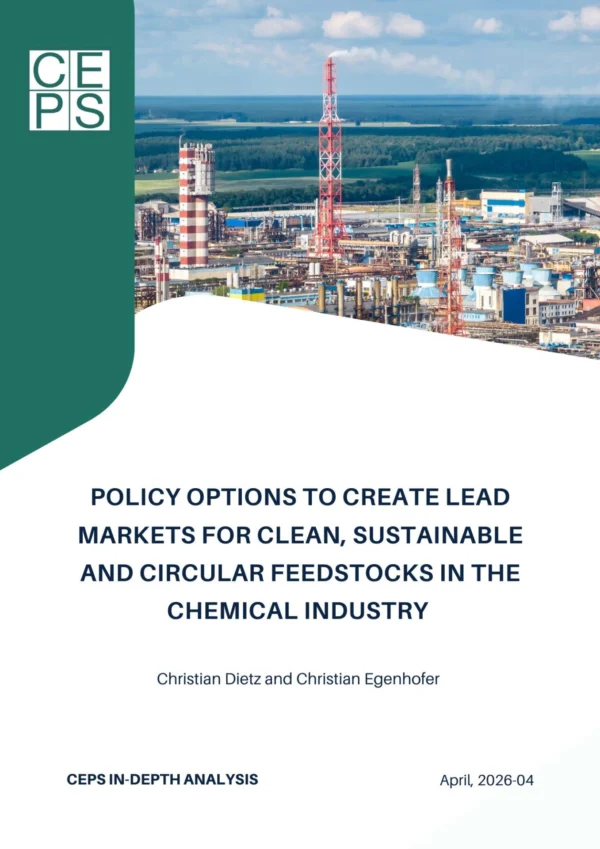
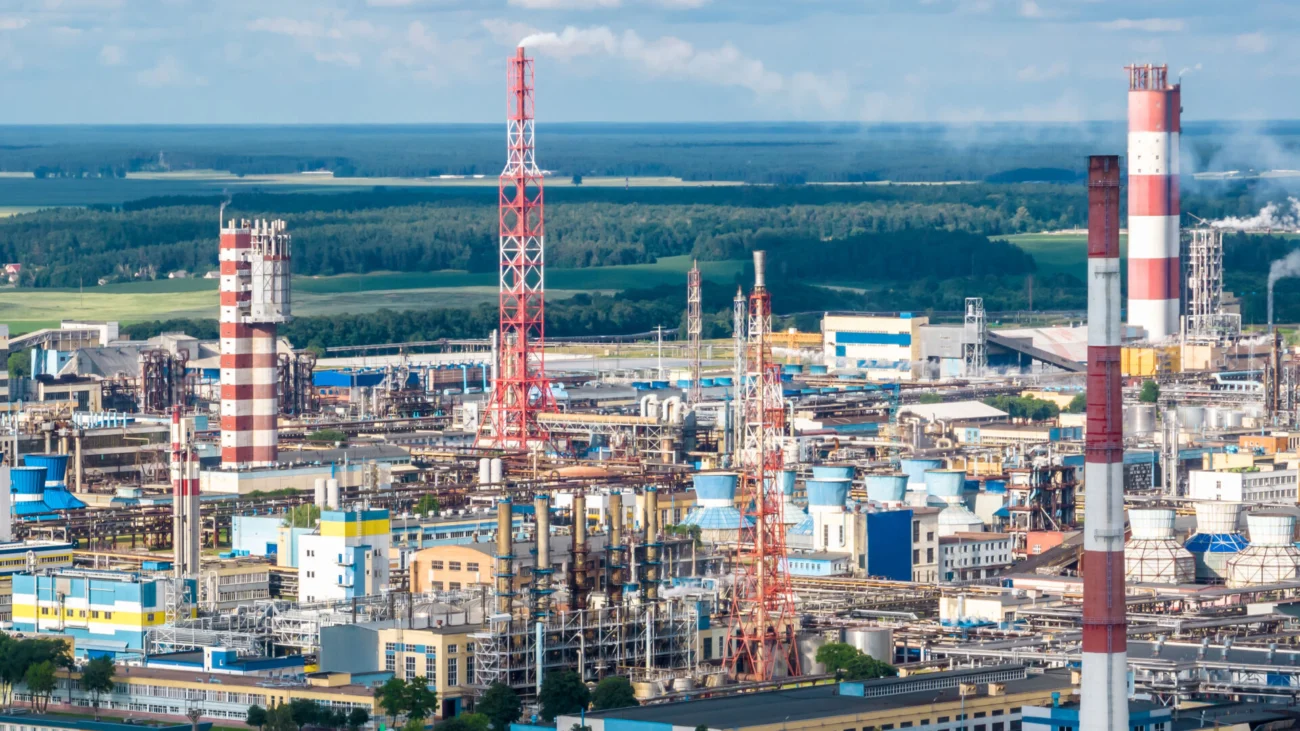

Reaching the EU’s climate targets requires cutting emissions across its entire economy. While low-carbon energy and notably electrification can significantly reduce emissions in many sectors, the chemical industry faces a specific challenge: Around half of its emissions arise from industrial processes linked to chemical reactions and feedstock use. For chemical products, carbon is, and will remain, an essential building block – yet more than 90 % of it is currently fossil-based. Defossilising feedstock requires a fundamental transformation of the industry’s value chains, i.e. a (gradual) shift towards alternative carbon sources such as sustainable biomass, recycling and captured CO₂.
This CEPS report examines alternative carbon pathways from both a technological and a market perspective, with a particular focus on both methodological and policy frameworks required to make this transformation happen. To contribute to this debate, the report reviews a range of policy options to generate demand for alternative carbon sources currently under discussion for the chemical industry, including voluntary labelling, public procurement and mandatory targets as well as certification or credit-based mechanisms.
The analysis suggests that no single policy instrument is likely to be sufficient on its own to drive the transition. Instead, a mix of measures will be needed to incentivise investment in alternative carbon pathways at scale, with scope to become more stringent or be complemented by additional tools over time. Without robust market signals, for example in the form of a lead market framework, the transformation towards defossilised feedstock will not happen – putting the translation of European technological leadership into investment and scale up at risk.