In recognition of the fact that EU policies in non-development areas, such as trade, energy and migration, can also profoundly affect the poor in developing countries, the EU has affirmed ‘Policy Coherence for Development’ as an important principle for achieving more effective development cooperation. This new CEPS study analyses whether policy-making processes in the EU Council provide sufficient scope for development inputs to be made in 12 key policy areas: trade, environment, climate change, security, agriculture, fisheries, social dimension of globalisation, employment and decent work, migration, research and innovation, information society, transport and energy. The study also includes coverage of the policy-making processes in the European Commission as it initiates and defends most of the policies being discussed in the EU Council. Its findings point to the highly segregated character of EU policy-making and provide interesting insights into the internal challenges the EU will need to address in order to fulfil its goal of achieving greater coherency in its (external) policy-making. To strengthen the potential for PCD the study suggests six proposals for structural reform as well as a set of specific recommendations.

1
More CEPS Publications
10 Published Publications
Related Publications
Browse through the list of related publications.
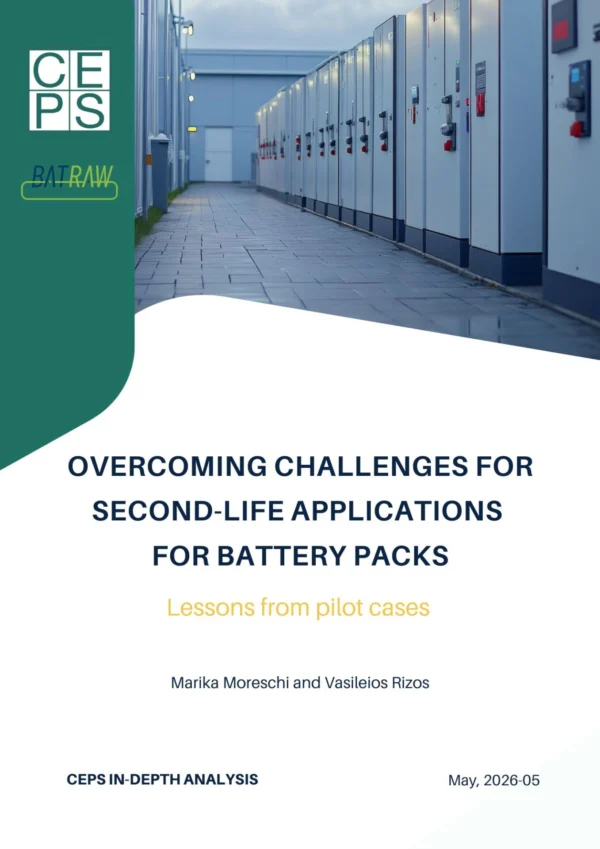
Overcoming challenges for second-life applications for battery packs
Lessons from pilot cases

The production of irregularity in Europe
How to improve the living and labour conditions of irregularised migrant workers and their households
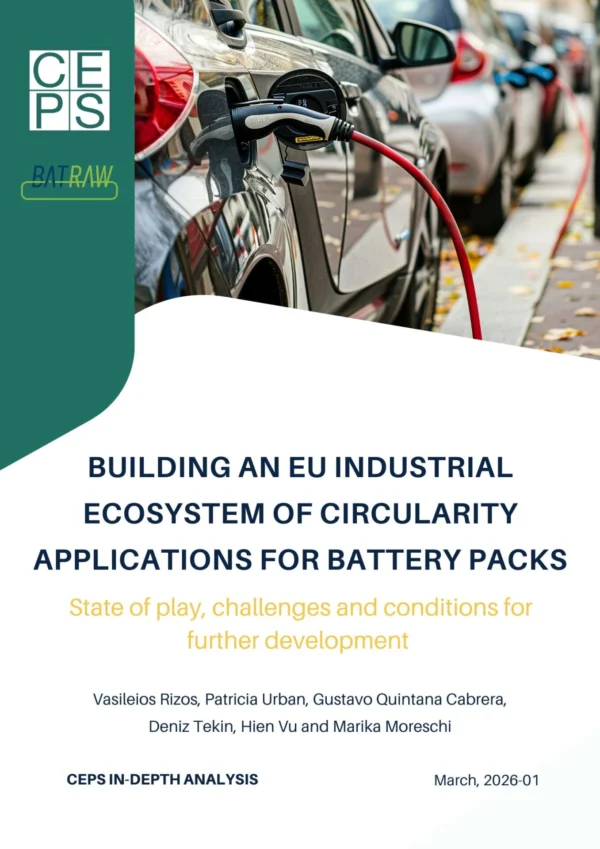
Building an EU industrial ecosystem of circularity applications for battery packs
State of play, challenges and conditions for further development