

The role of carbon removals in climate policy is becoming more important as countries move towards achieving their net-zero emissions targets under the Paris Agreement. Greater mitigation efforts are indispensable on the way to net-zero and in many parts of the world, low-carbon technologies are being rolled out. Yet scientific consensus increasingly shows that the UNFCCC’s ultimate objective, ‘to stabilize greenhouse gas concentrations in the atmosphere at a level that will prevent dangerous human interference with the climate system’, can only be met by actively taking carbon out of the atmosphere, i.e. carbon removals.
Carbon removals are seen as essential not only for achieving long-term net-zero targets but also for compensating residual emissions in hard-to-abate sectors. A range of carbon removal approaches are being pursued, including nature-based and technological solutions. Carbon storage in buildings, stemming from upstream removals, is emerging as one such technological solution.
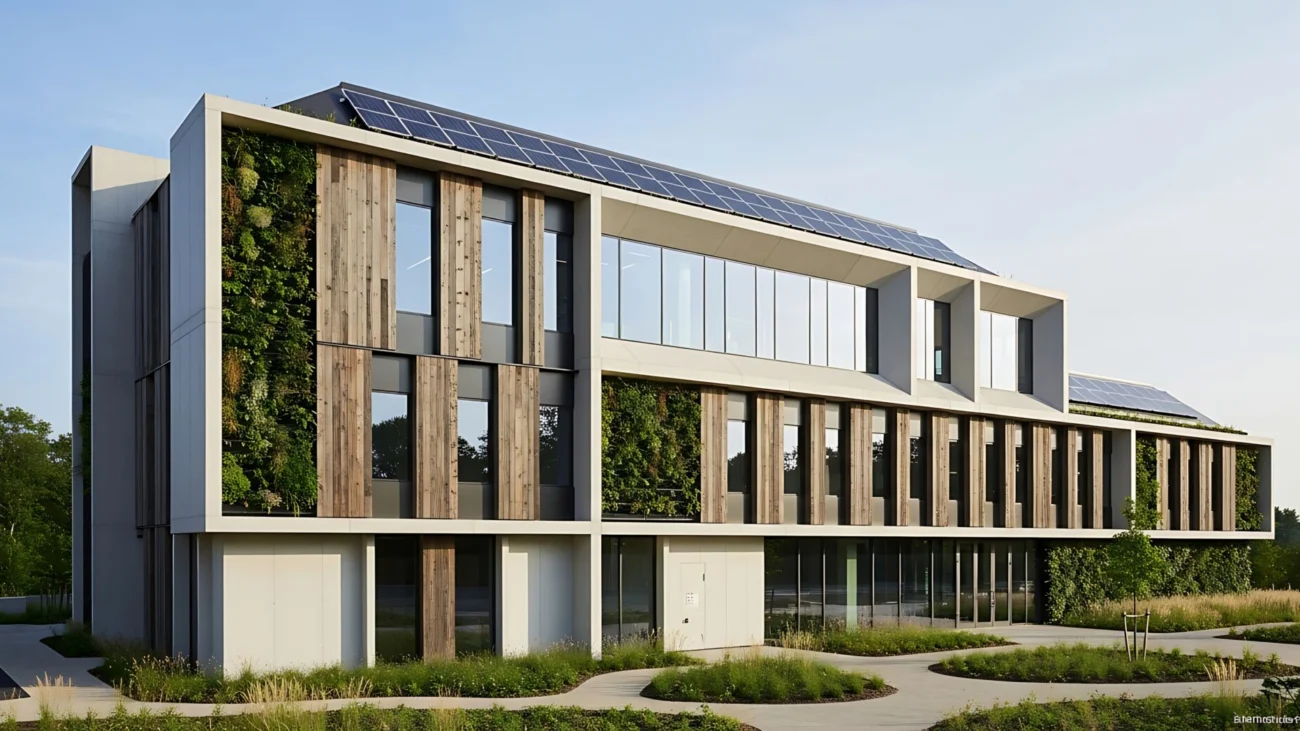
As this CEPS Explainer highlights, buildings can act as long-lived carbon storage units, especially when carbon-storing materials like timber, bio-based products and CO2-cured concrete are used, which are then further enhanced by design choices that extend product lifetimes and reuse cycles. By shifting towards carbon-storing materials, the built environment could store gigatons of CO2 while addressing urban development needs, though its actual contribution to net carbon removals remains uncertain.
To read a shorter CEPS Expert Commentary on this subject, please click here.