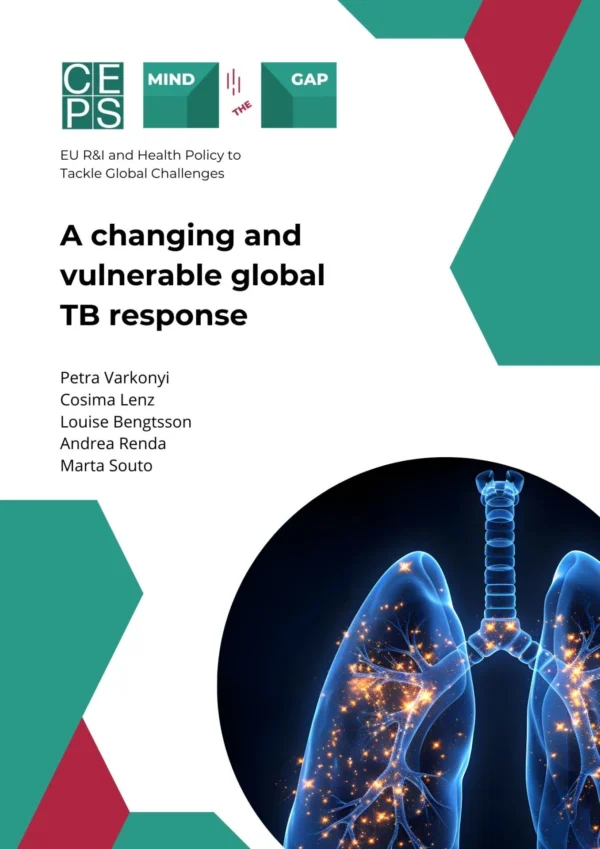


TB continues to be one of the leading causes of death from infectious disease worldwide. The current disease burden remains substantial, with 1.25 million deaths recorded in 2023, including 161 000 people living with HIV. Progress toward the End TB Strategy has been limited: an 8.3 % reduction in incidence since 2015 compared to the 50 % target for 2025. Despite this burden, the global TB response faces significant funding shortfalls. In 2023, USD 5.7 billion was available for global TB efforts against a USD 22 billion annual target needed by 2027.
The US, historically providing nearly half of global TB funding through bilateral assistance and the Global Fund, proposed a 55 % cut for FY2026, reducing TB programme funding by USD 228 million. This comes on the back of the USAID funding freeze earlier in 2025, which had immediate operational impacts due to the termination of 79 % of TB-focused awards. If funding is not restored, estimates suggest 10.7 million additional TB cases and 2.2 million excess deaths in 26 high-burden countries by 2030.
Increased domestic funding by some high-burden countries offers some hope. Still, the current trajectory presents challenges to achieving the 2030 End TB Strategy targets. Sustained investment and coordinated action across domestic and international partners will be essential to maintain progress achieved and prevent a reversal of hard-won gains.