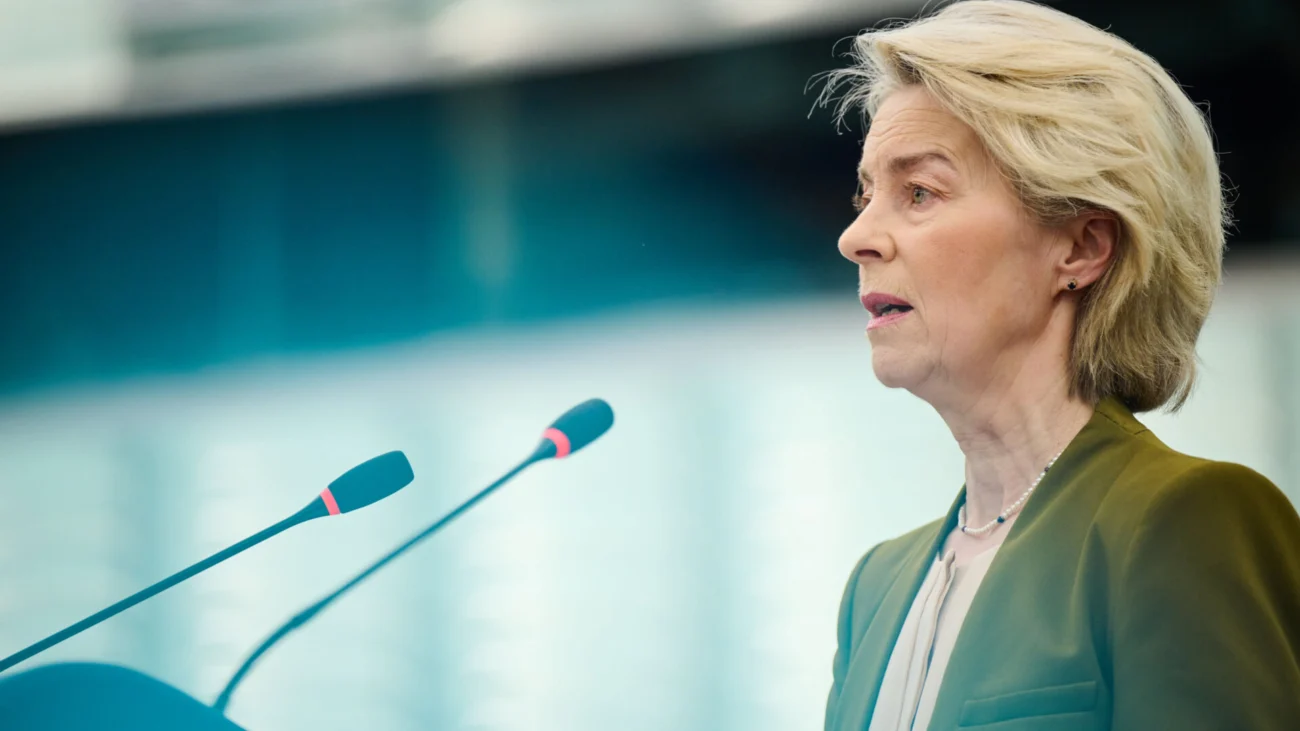

The authority displayed by a Commission President doesn’t only depend on their personality and leadership qualities but also on the broader political and economic context, as well the question of whether the Commission has the competences needed for the crisis du jour.
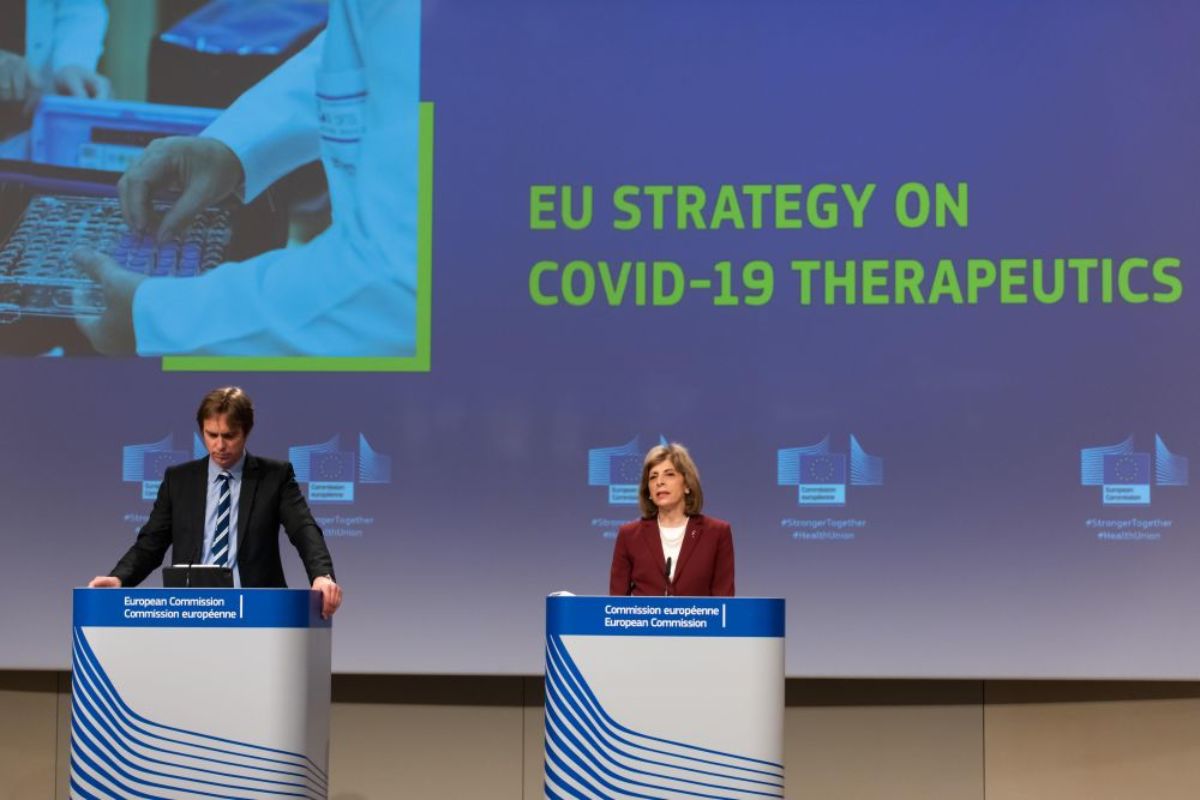
During her first term, Ursula von der Leyen was a capable crisis manager. Covid-19 struck just months after she took office, followed by Russia’s invasion of Ukraine in 2022. The Commission operated in full crisis mode and von der Leyen ran it like a command centre. In such moments, centralisation and decisiveness were political assets.
Her second mandate is very different. The geopolitical circumstances are far more complex, with the EU finding itself in a new world order and needing to define its place within it.
Then, within the EU itself, the nature of the various crises is changing, from crisis response (e.g. supporting Ukraine) to defining long-term strategies (e.g. developing the EU’s defence capacities). While the Commission lacked competencies in the health field during the pandemic, von der Leyen put a foot in the door and leveraged those competencies for her institution. This is much more difficult in defence, an area much closer to a state’s sense of sovereignty. On top of this, the role of non-EU partners, especially the UK, constrains the Commission’s influence as cooperation begins to move outside the EU’s institutional framework.
Another shift lies in the stark transition from the green to the competitiveness agenda. After driving the EU’s climate ambitions in her first term, von der Leyen has now entered a rollback phase where previous-term legislation is being delayed or watered down. This creates a credibility problem, given how strongly she had personalised the Green Deal.
Political dynamics among the Member States have also changed. During her first term, power vacuums in Berlin and Paris offered her greater room to manoeuvre. Today, however, that vacuum is partially filled. Chancellor Friedrich Merz has taken a more assertive stance at EU level and even seems to embrace a more intergovernmental approach, which doesn’t rely on the Commission.
A strained relationship with the EP
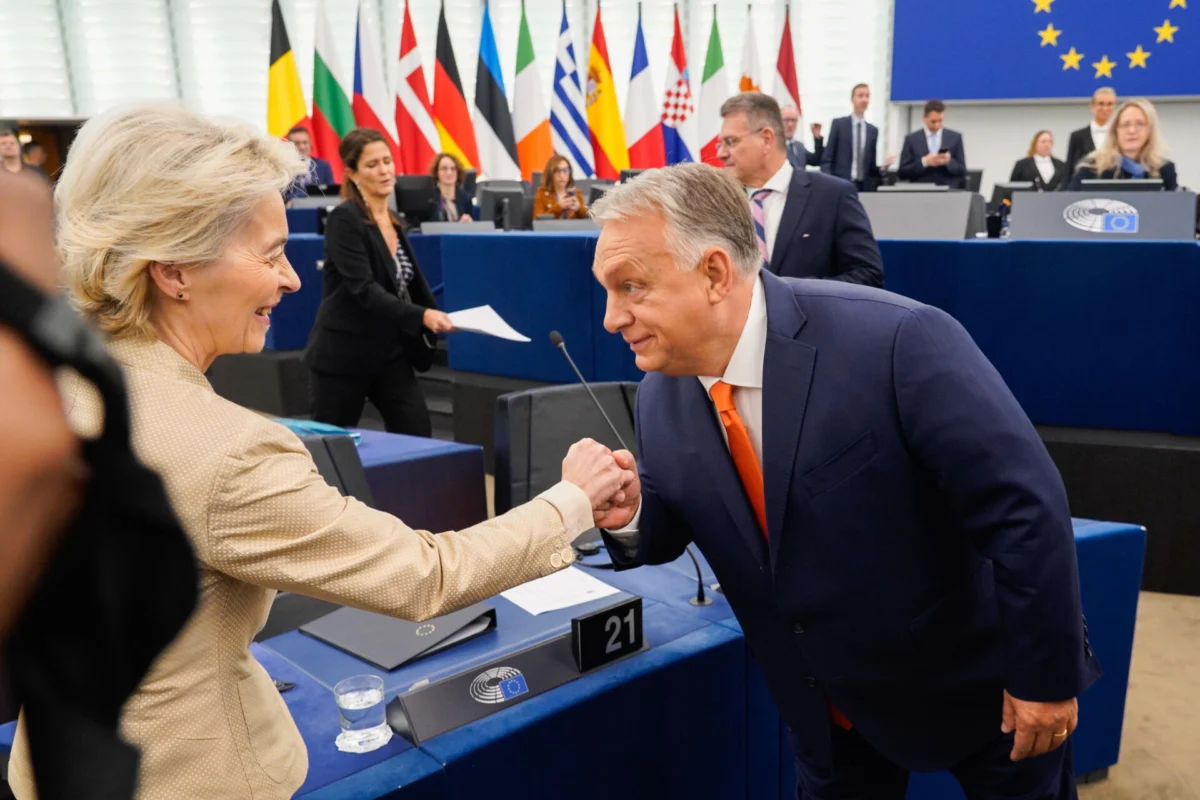
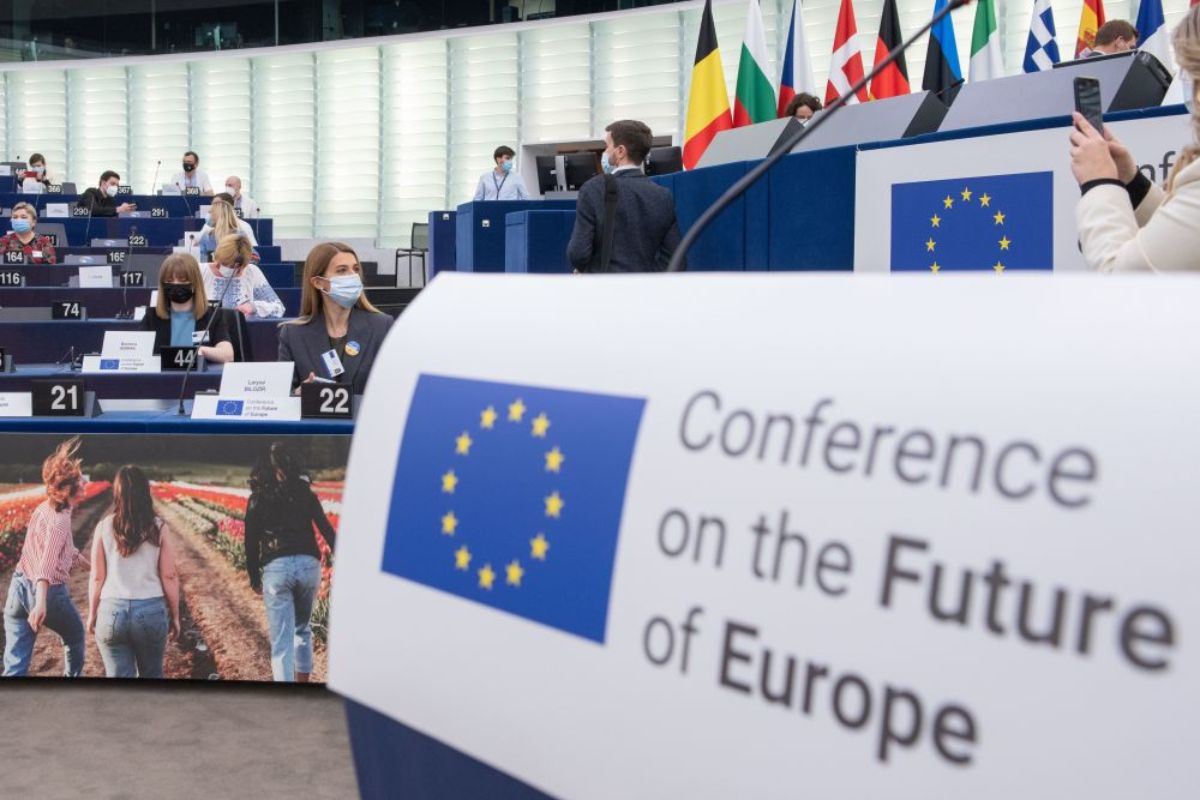
Another factor constraining von der Leyen is her increasingly difficult relationship with the European Parliament (EP), combined with shifting majority dynamics in the chamber. Tensions between the von der Leyen Commission and the EP aren’t new, as she tends to focus far more on the Member States in the Council and the European Council. This has fuelled grievances within the EP, particularly regarding the Commission’s continuous use of Article 122 TFEU, allowing legislation to be adopted without the EP’s involvement. While legally justified in crisis situations, the repeated reliance on this procedure has reinforced the perception among MEPs that the EP is being sidelined.
And there are other procedural frustrations. The Commission’s use of the omnibus procedure has drawn criticism, particularly from centre-left groups, for the substance and quality of the proposals but also for its cross-cutting nature, which clashes with the EP’s committee structure. The Commission’s MFF proposal even triggered a rarely seen display of cross-party opposition.
Beyond these institutional tensions, von der Leyen also faces an altered parliamentary landscape. In her first term, her agenda was largely adopted by the so-called von der Leyen majority of the EPP, S&D and Renew. Now, however, an alternative majority has emerged and is increasingly being used: an alignment between the EPP and the far right, first visible in a resolution on Venezuela. While unstable and politically very contentious, this configuration allows the EPP to signal that it’s no longer structurally dependent on the centre-left.
The EPP’s willingness to cooperate with the far-right has also intensified tensions among these political groups. But the centre-left groups aren’t easy partners either – the S&D group is increasingly diverse and lack clear leadership, while Renew is split over whether to follow the EPP in its rightward lurch. The Greens have been struggling to position themselves as partners in the ‘von der Leyen majority’ in part because they are viewed by many in the EPP as their main political rival.
Most (centre-left) groups are currently frustrated with the EPP, which we can’t forget is von der Leyen’s own group.
Strong centralisation inside the Commission
The Commission itself has been on a long road towards centralisation, first initiated by José Manuel Barroso due to EU enlargement with 10 new Member States joining in 2004, and then Jean-Claude Juncker was the first to use the College structure to centralise political control in 2014.
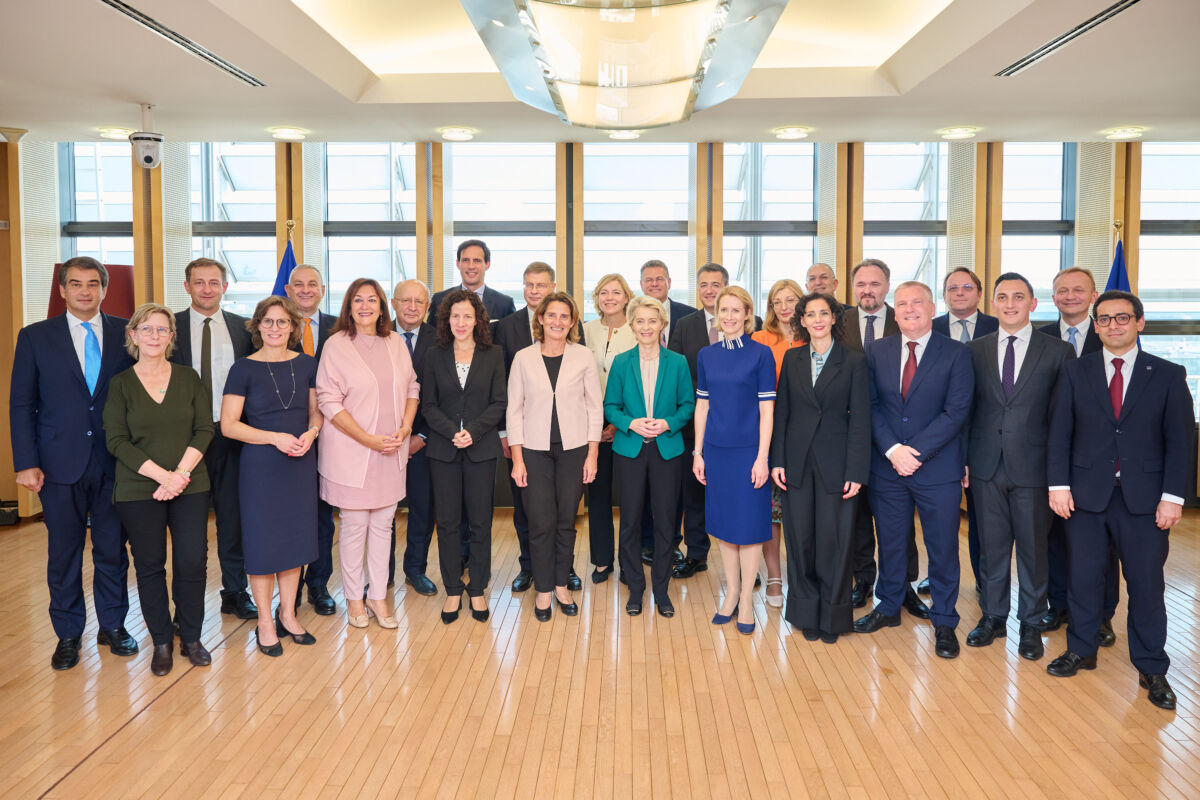
Von der Leyen, however, has gone considerably further. In her first College, there were three Executive Vice-Presidents who were strong personalities and powerful institutional actors, each controlling major policy fields. In her second term, she has removed most potential internal counterweights. The expansion from three to six Executive Vice-Presidents has weakened the role, and few of them – if any – stand out as political heavyweights. Overlapping portfolios (for example, three Commissioners dealing with migration, five with the green transition) diffuse responsibility while enabling a ‘divide and rule’ approach. Key decisions are often made in a very small circle, bypassing parts of the institution, on both the political and administrative levels.
As such, von der Leyen’s second College consolidates her personal power much more strongly than in her first term. Centralisation isn’t inherently problematic, as it enables swift and decisive policy action, which we saw during the pandemic and the early phase of the war in Ukraine. But crisis has now become the new normal.
There’s growing concern about diminished internal checks and balances and reduced input from diverse policy perspectives. Some argue this has already affected policy quality, such as aspects of the Green Deal and omnibus files, which proceeded without proper impact assessments. Public concerns about transparency are rising as well, amplified by episodes such as ‘Pfizergate’.
Taken together, these dynamics show that von der Leyen’s second term is being constrained by a mixture of (geo)political, parliamentary and intra-institutional factors that give von der Leyen far less room to lead effectively.
Alas, the jury is still out on her second term’s overall performance as we still have another three and a half years to go, but none of the factors highlighted here are likely to ease up anytime soon – least of all the geopolitical situation.