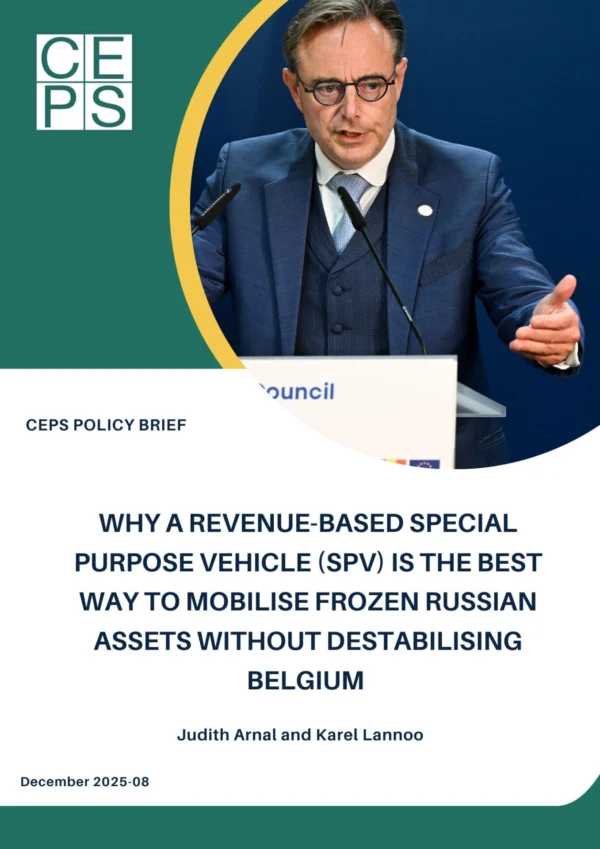
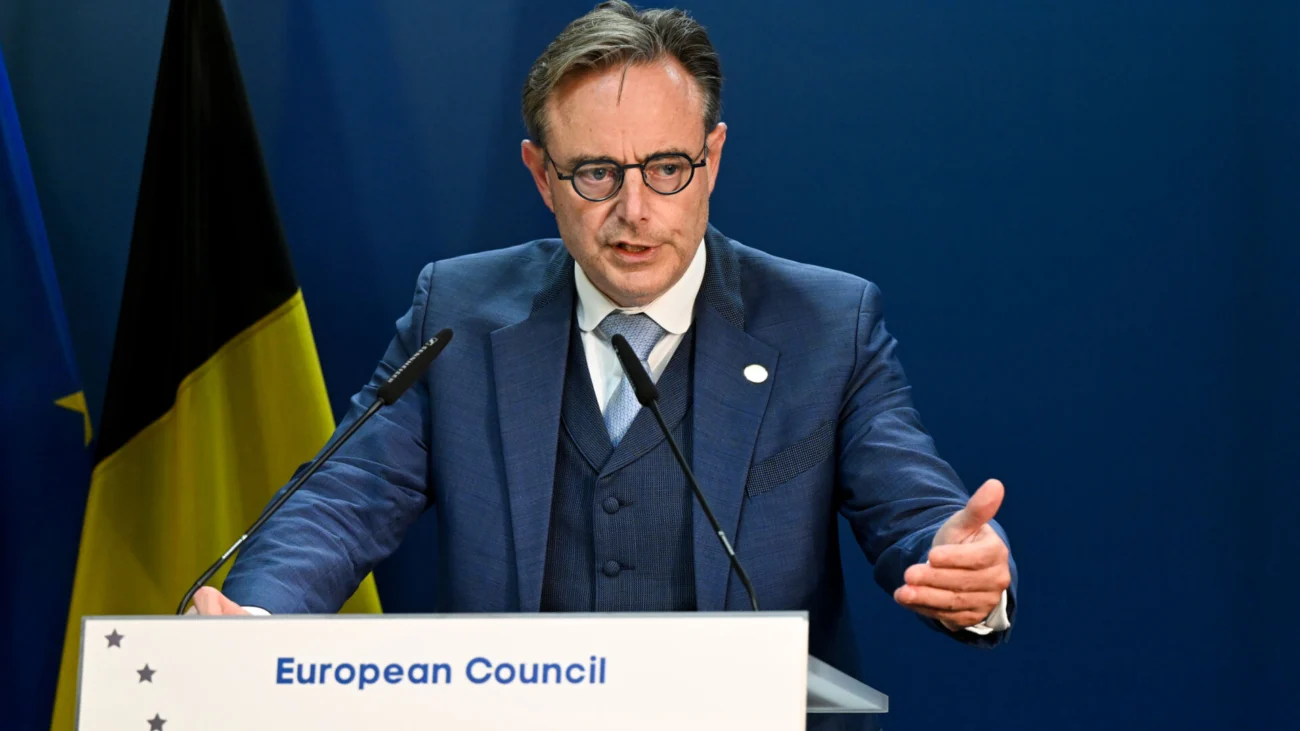

One of the major policy dilemmas of the past few weeks has been how the EU can continue to fund Ukraine’s war effort and reconstruction. Many have been arguing that the considerable amount of Russian assets held by Euroclear (based in Belgium) should be seized and given to Ukraine. However, such a solution comes with considerable legal and geopolitical risks – especially for Belgium, which has caused Belgian Prime Minister Bart De Wever to consistently oppose any disbursement of the assets that could lead to either Russia retaliating against Belgium or leaving the country open to legal challenges under international law.
To square this circle, the Commission has proposed a legally careful but financially unconventional architecture in the form of a ‘Reparations Loan’. This short CEPS Policy Brief instead argues that there’s another, cleaner, less complex solution in the form of a revenue-based special purpose vehicle (SPV) which would only mobilise the net extraordinary revenues generated by the immobilised Russian assets.
Such a solution would deliver substantial upfront funding to Ukraine while avoiding the systemic and geopolitical challenges of the proposed Reparation Loan – and, crucially, would go a long way towards allaying Belgium’s concerns and ensuring that the stability of the wider global financial system isn’t compromised.