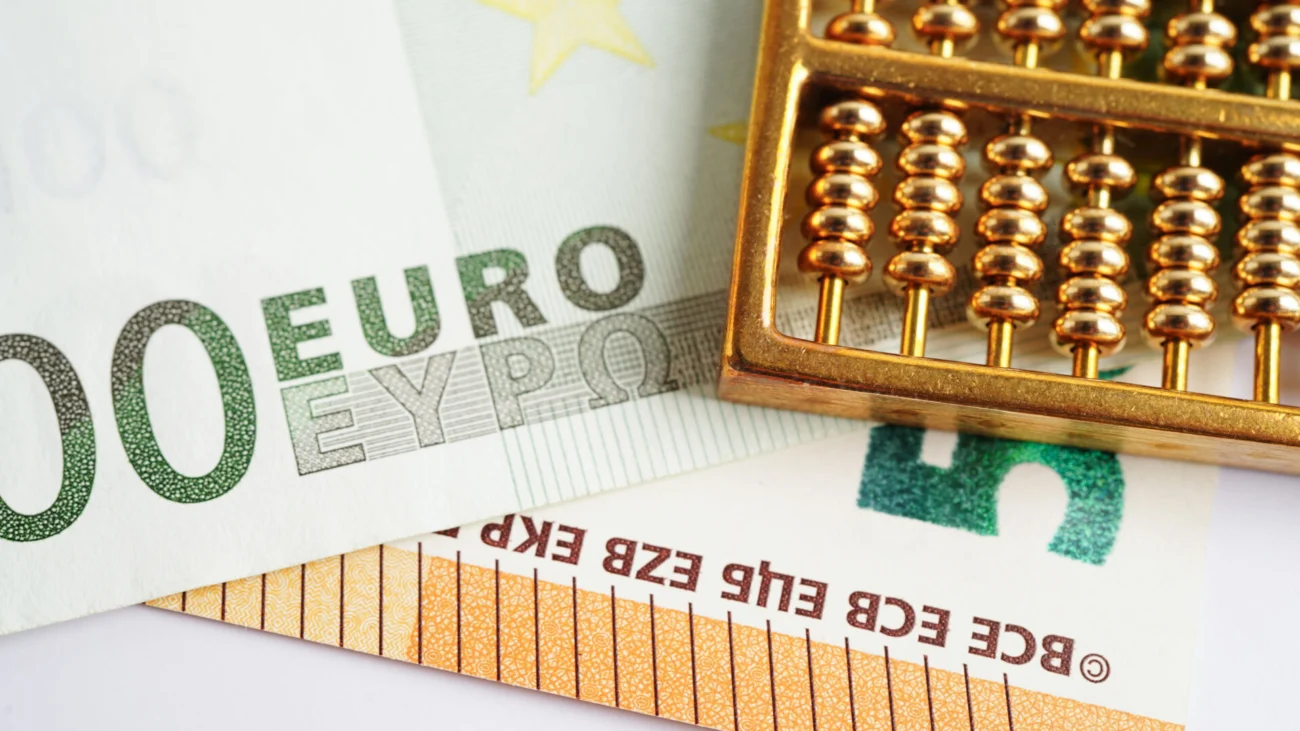

Value added tax (VAT) is one of the most important sources of public revenue in the EU. Under the EU VAT system, tax is collected at each stage of the supply chain, from production to final sale. Businesses charge VAT on their sales, deduct the VAT paid on their purchases and remit the difference to the tax authorities. However, VAT is particularly vulnerable to fraud, especially missing trader intra-Community (MTIC) fraud and carousel fraud schemes. In such schemes, a fraudulent trader supplies goods and services to other businesses, collects the tax due on the supply, and then disappears without remitting it to the tax authorities.
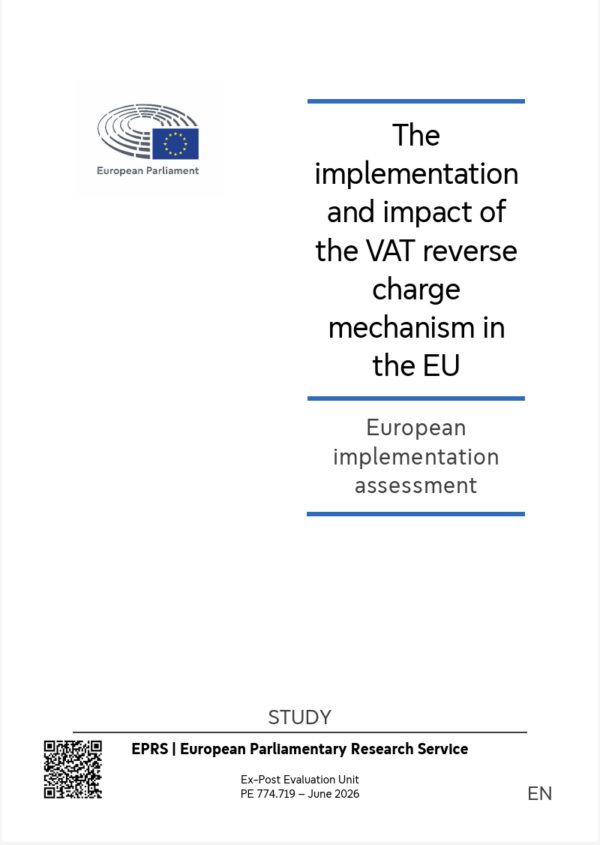
This European implementation assessment aims to inform the ongoing work of the European Parliament’s Subcommittee on Tax Matters on an own-initiative report (2025/2261(INI)) on the implementation of the VAT reverse charge mechanism (RCM) and quick reaction mechanism (QRM) in EU Member States. The study is composed of two parts. The first part is an introduction by the European Parliamentary Research Service that provides the context, scope and contribution of the external study to parliamentary and EU policymaking. The second is a comprehensive study undertaken by a team of external experts, assessing the effectiveness of the RCM and QRM in the EU and their impact on administrative burden and compliance costs of tax authorities and businesses.
The study is based on desk research, stakeholder consultations, and eight case studies, providing an up-to-date assessment of the mechanism’s implementation and impact. The study also identifies lessons learnt and challenges from the implementation of the RCM and QRM across the EU, and offers recommendations in the context of their review and the decision-making process regarding their potential extension beyond the current deadline of 31 December 2026.
This study was prepared at the request of the Ex-Post Evaluation Unit of the European Parliamentary Research Service (EPRS). It was originally published here. The study was co-authored by Camilo Giraldo (Ecorys) and Martin van der Ende (Ecorys), with contribution from Katerina Pantazatou (University of Luxembourg). Research assistance was provided by Fredrik Andersson (CEPS), Lottie Boas (Ecorys) and Georgios Planakis (Ecorys).