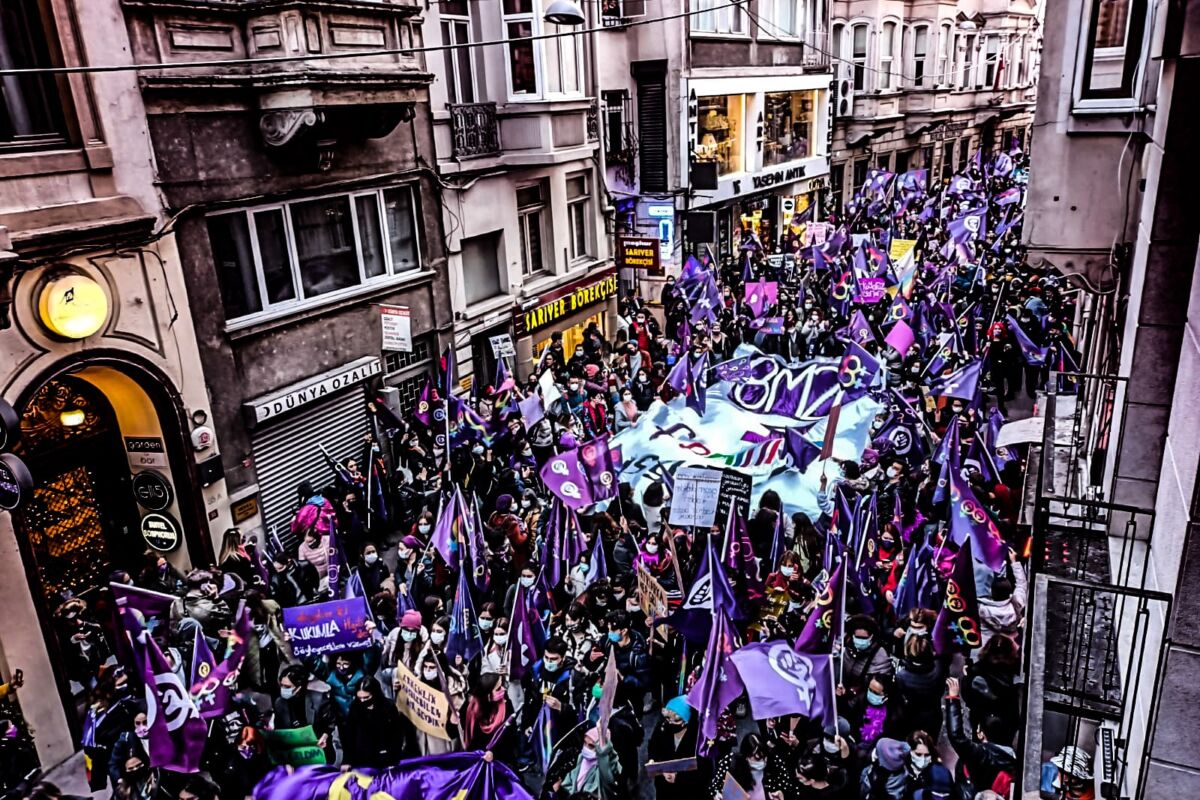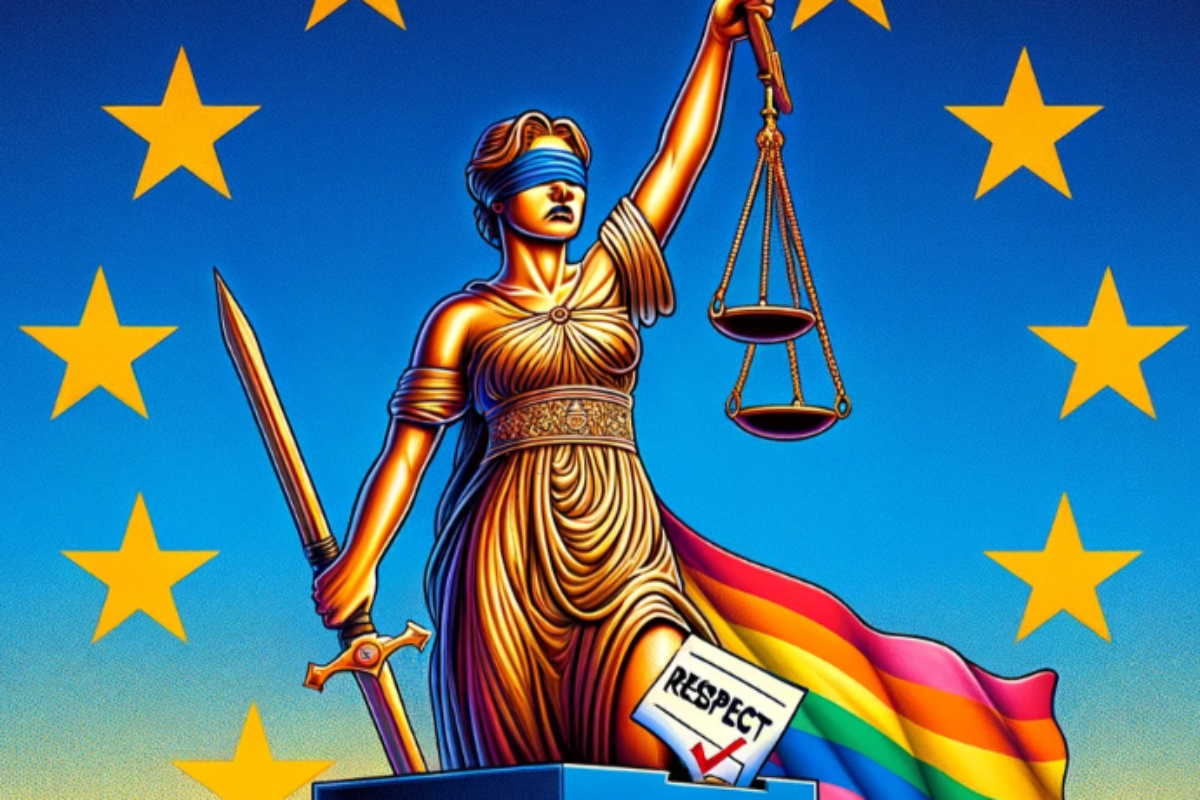

These past couple of years, the concept of diversity, equity and inclusion (DEI) has been at the front and centre of political debates. The ‘anti-woke movement’, which largely overlaps with the far right, aims to paint diversity initiatives as unfair and anti-meritocratic. This backlash has turned a neutral – if not positive – term into one that makes it seem like inclusion is modern society’s biggest woe.
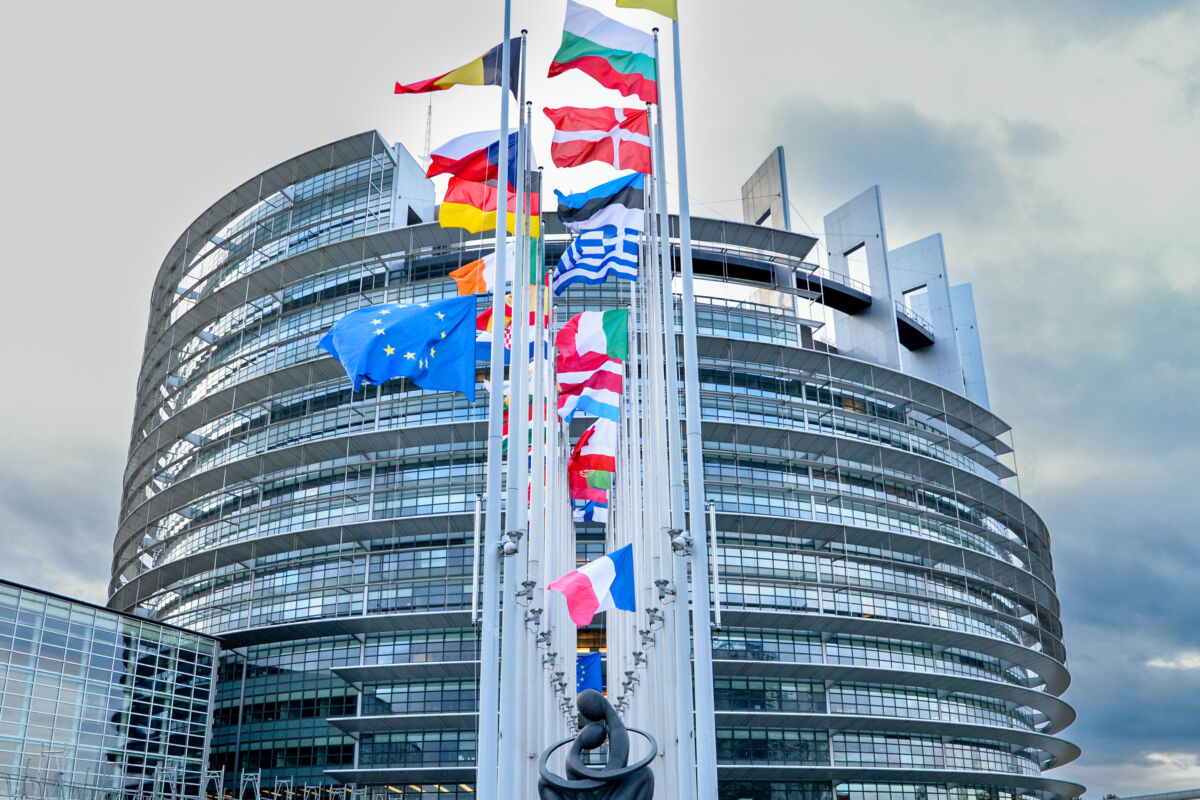
The EU hasn’t taken a strong stance: while it continues to wax poetic about the importance of equality and inclusion, it has notably refused to take targeted action to counteract anti-rights movements across Europe.
A half-baked commitment to equality won’t satisfy the naysayers, won’t help those in need and certainly won’t do Treaty obligations justice. Thus, the question isn’t whether the anti-DEI age demands a pivot: it’s whether the EU is willing to produce substantive policies that live up to their many promises.
By any other name
The notion of diversity has been actively politicised by those that benefit from the inequality upheld by colonialism, selective political enfranchisement, race- and gender-based segregation. It’s not only a backlash galvanised by the far right but a reactionary retaliation against decolonial, anti-imperialist egalitarianism.
Call it what you want, diversity is a fact, even when it’s politically unfashionable to admit. When Europe is made up of half a billion people speaking dozens of languages, practicing different faiths and observing unique traditions, how else would you describe it than ‘diverse’?
On the one hand, there are attempts to outright ‘erase’ minorities through eroding civil rights, enacting institutional censorship or promoting eugenics, all reprehensible and incompatible with EU law, including the values of equality, dignity and human rights.
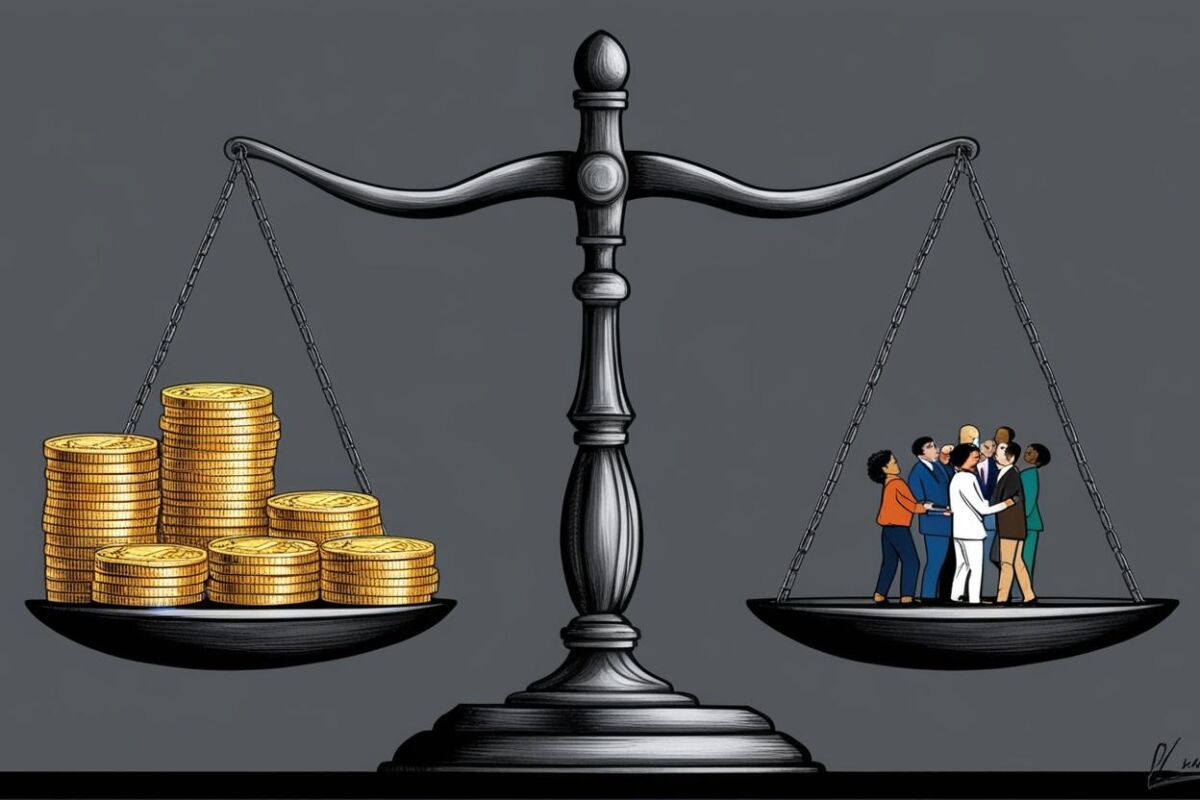
On the other, there’s the more ‘palatable’ argument against the proportionate political and economic representation of all societal groups on the grounds that it would ‘disregard’ talent, merit and ability to give preferential treatment to women, racialised groups, LGBTIQ+ or disabled people.
This line of thinking implies that ‘non-diverse’ persons (heterosexual, white, able-bodied cisgender men) are inherently better suited for certain jobs, political office or general leadership roles. Their idea of meritocracy would equal the reinforcement of a racist and patriarchal hierarchy in society, because only then can their monopoly on political and economic power be maintained.
Ironically, one look at the sheer incompetence or inexperience of some functionaries in Orbán’s Hungary (now past tense) or Trump’s America shows that the ‘meritocracy above all’ crowd sure knows how to give cushy jobs to sycophants rather than experts.
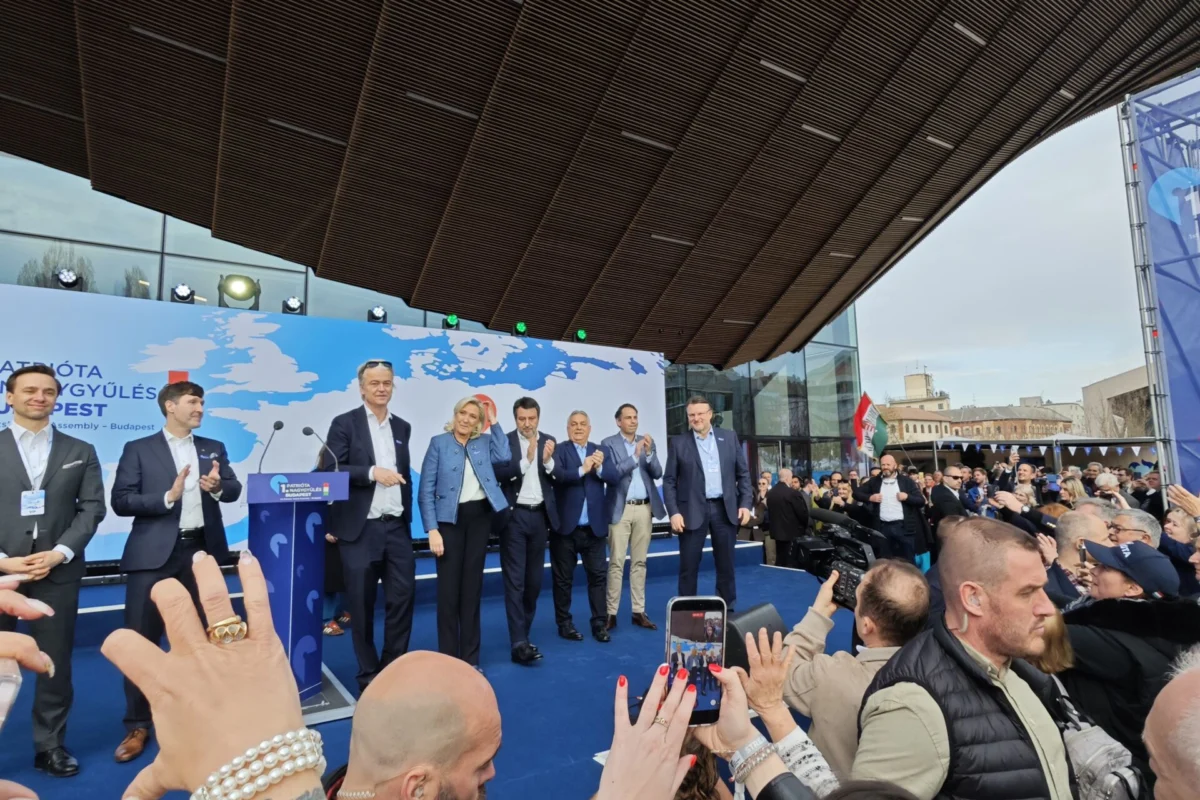
The EU’s factual diversity has absolutely nothing to do with the DEI that the MAGA/MEGA crowd are calling the ‘root of all evil’. It would be easy to dismiss this weaponisation of identity politics as absurd had it not been thus far successful in creating societal divisions and boosting the far right’s numbers in the polls. In fact, this manufactured culture war is already having measurable policy impact.
You’re entering a world of change
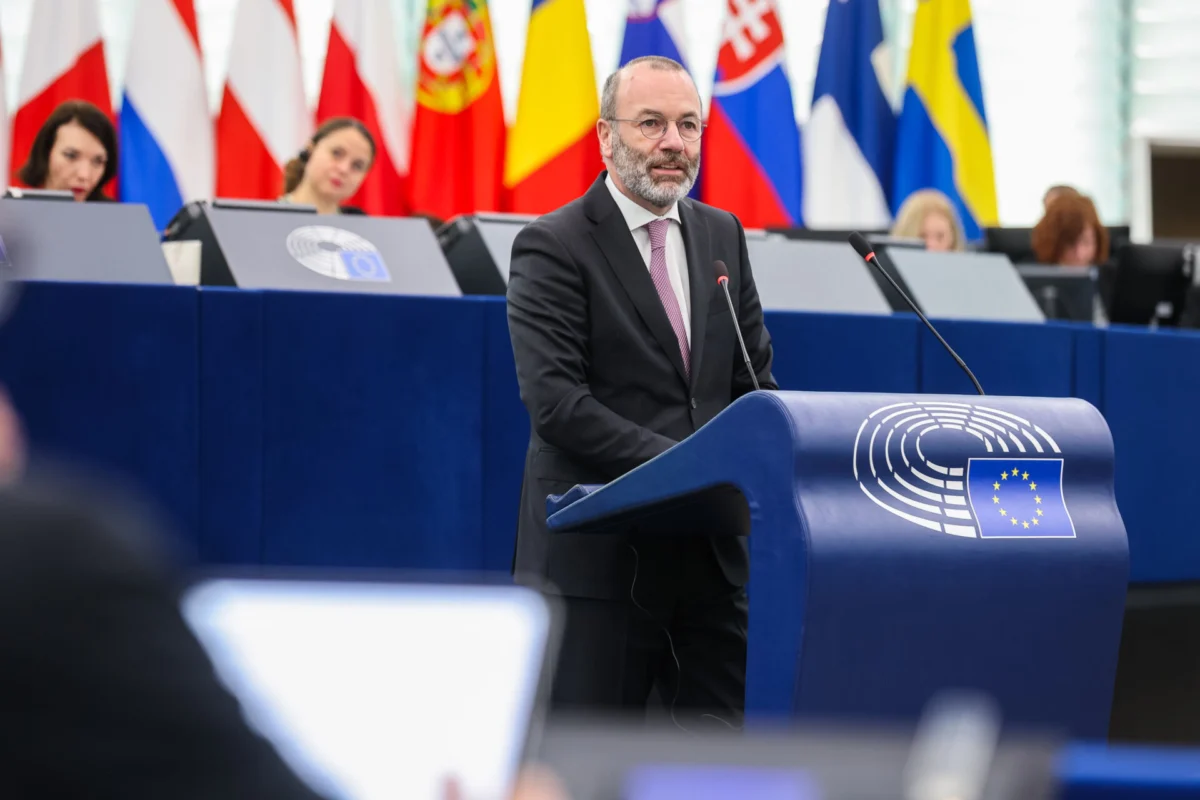
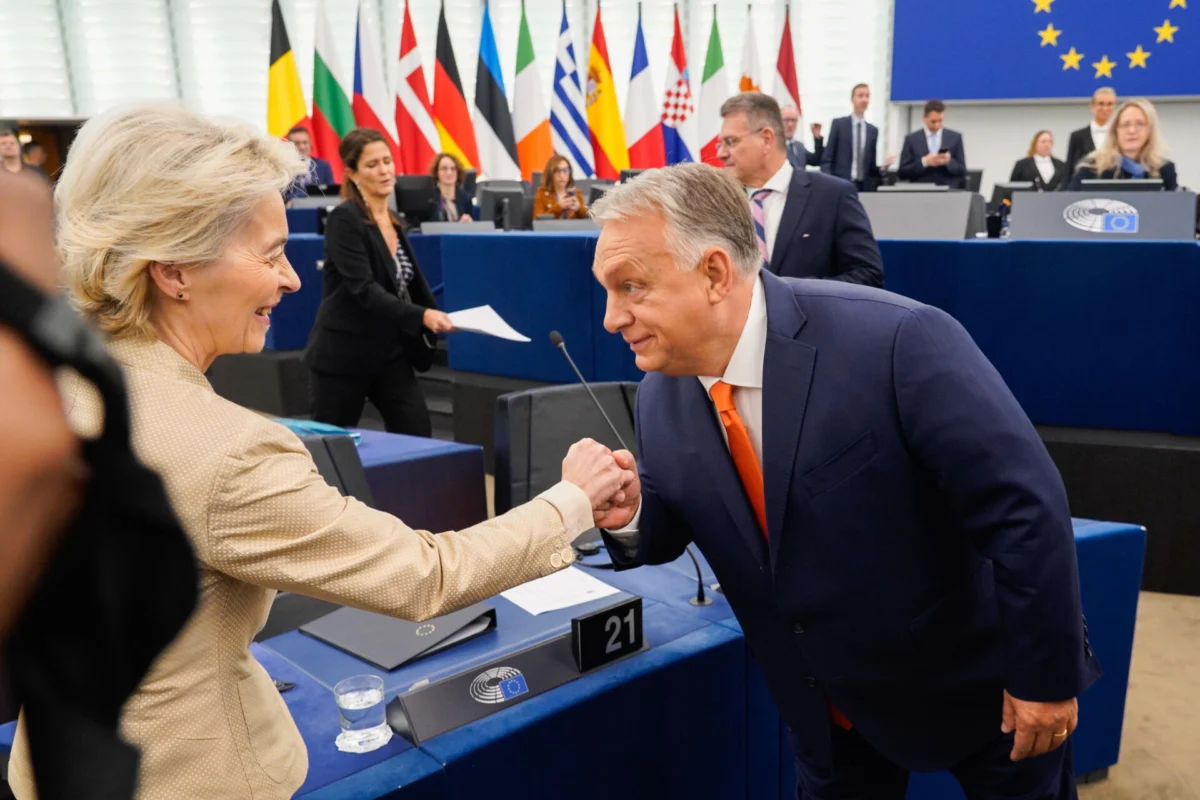
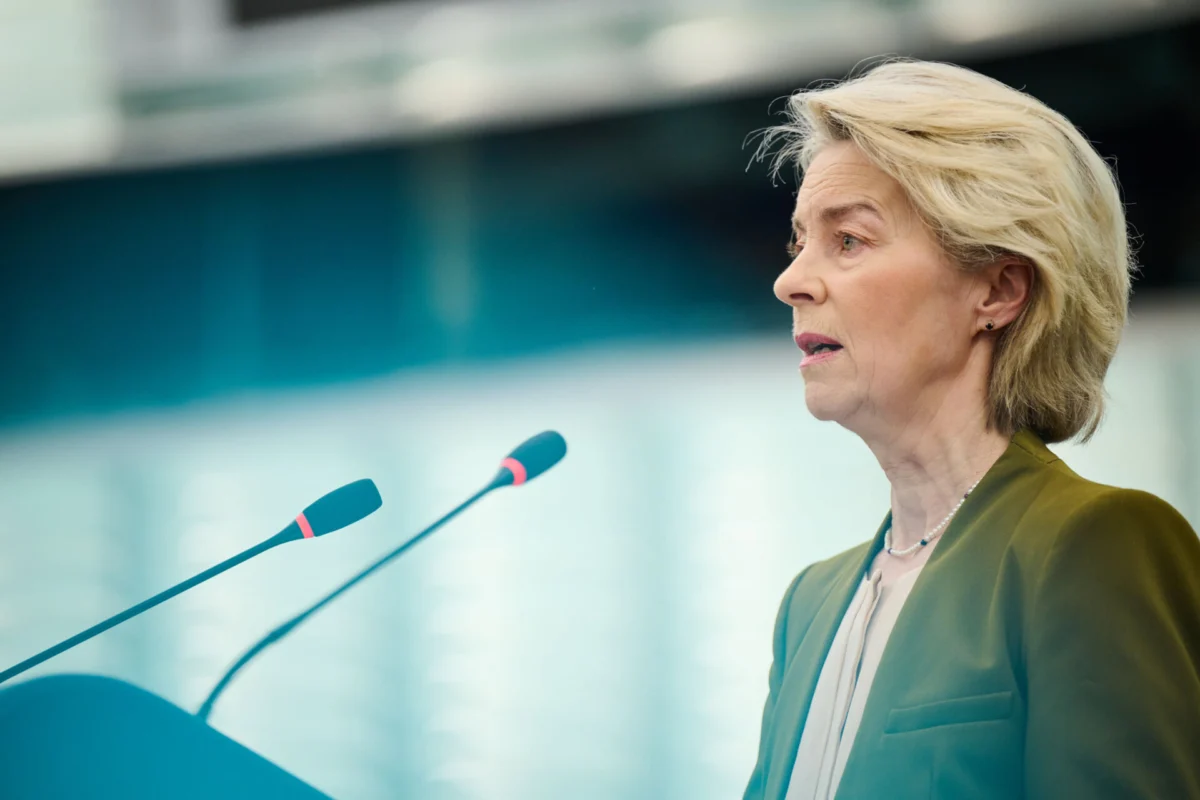
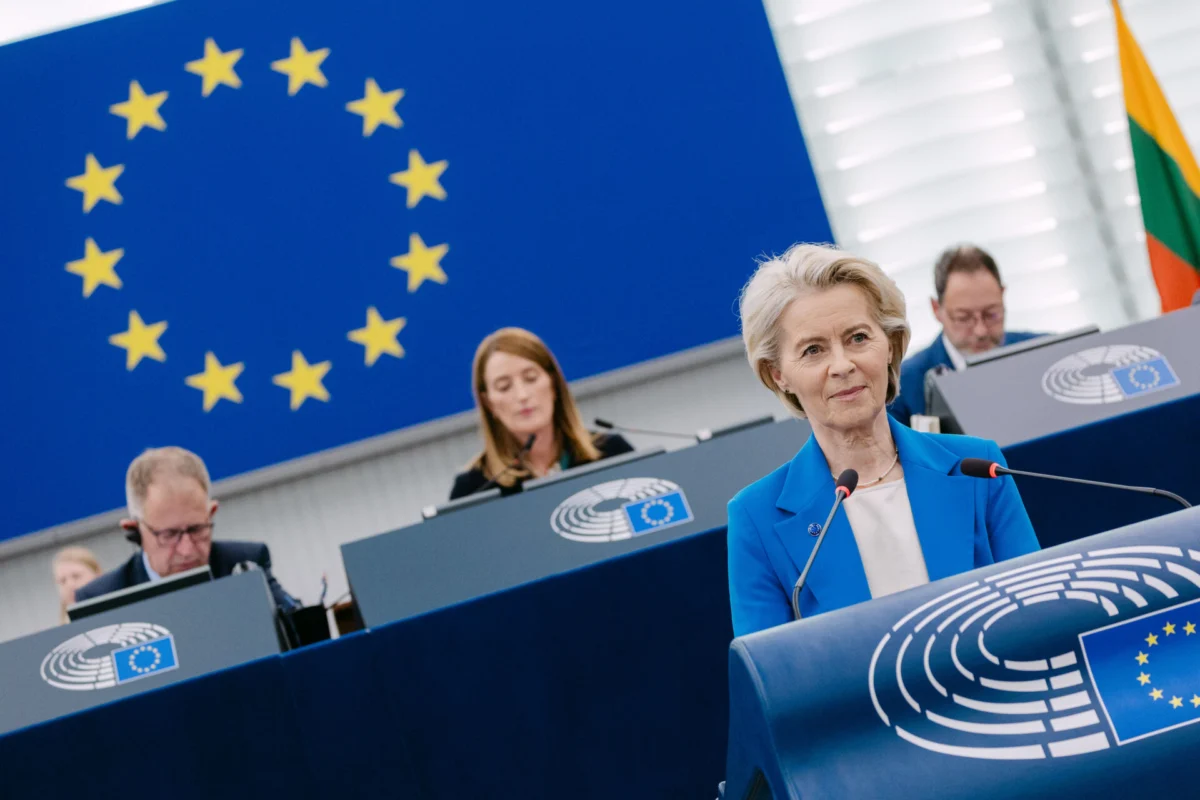
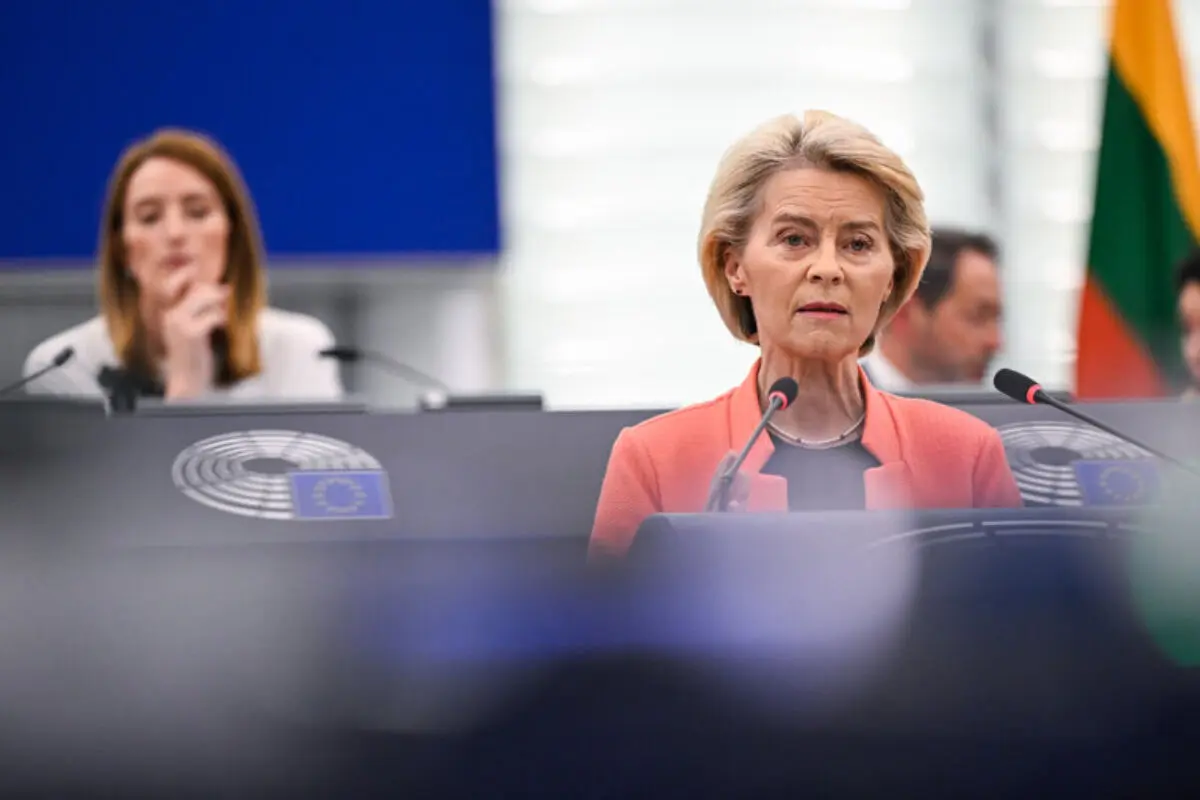
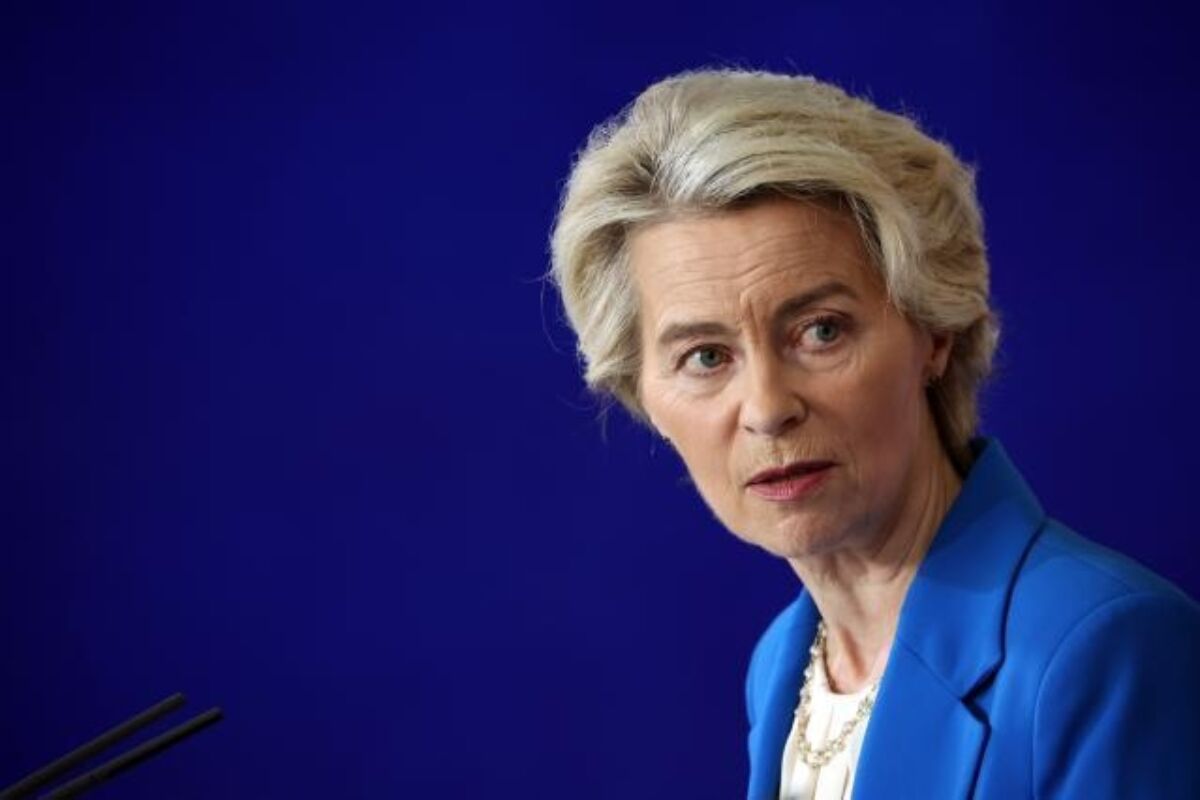
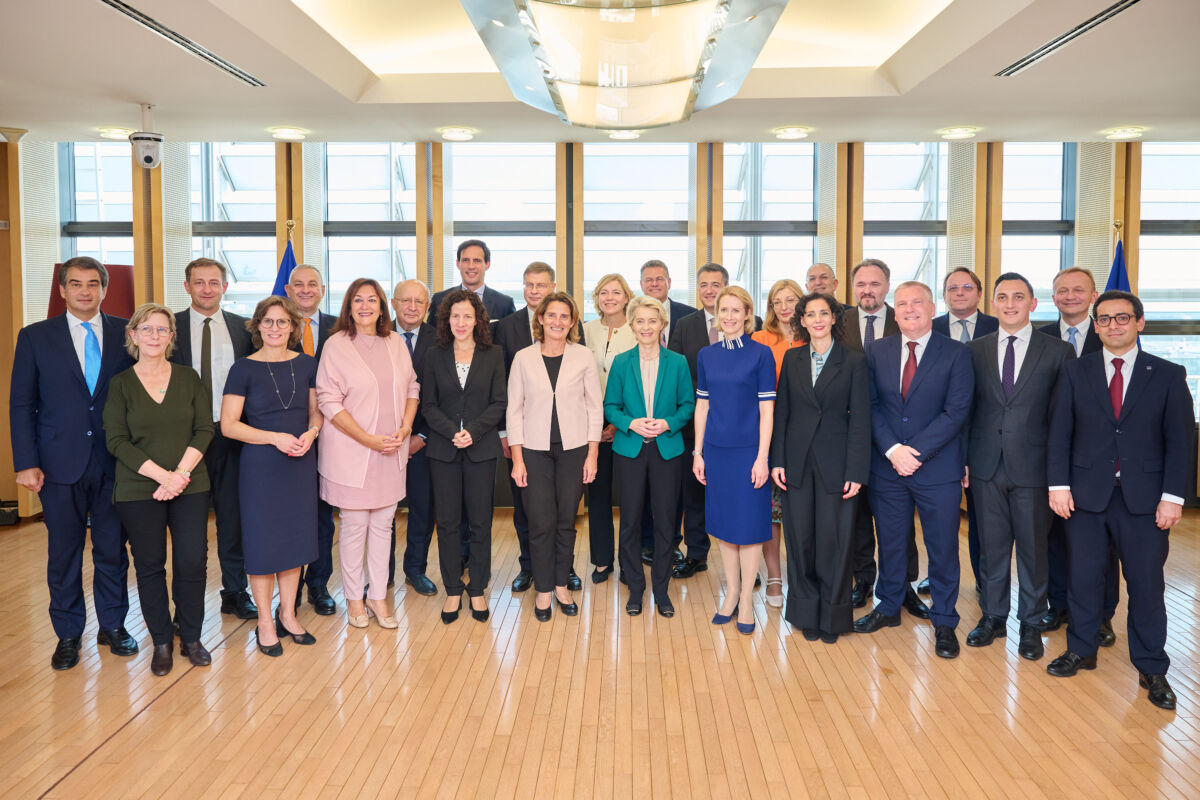
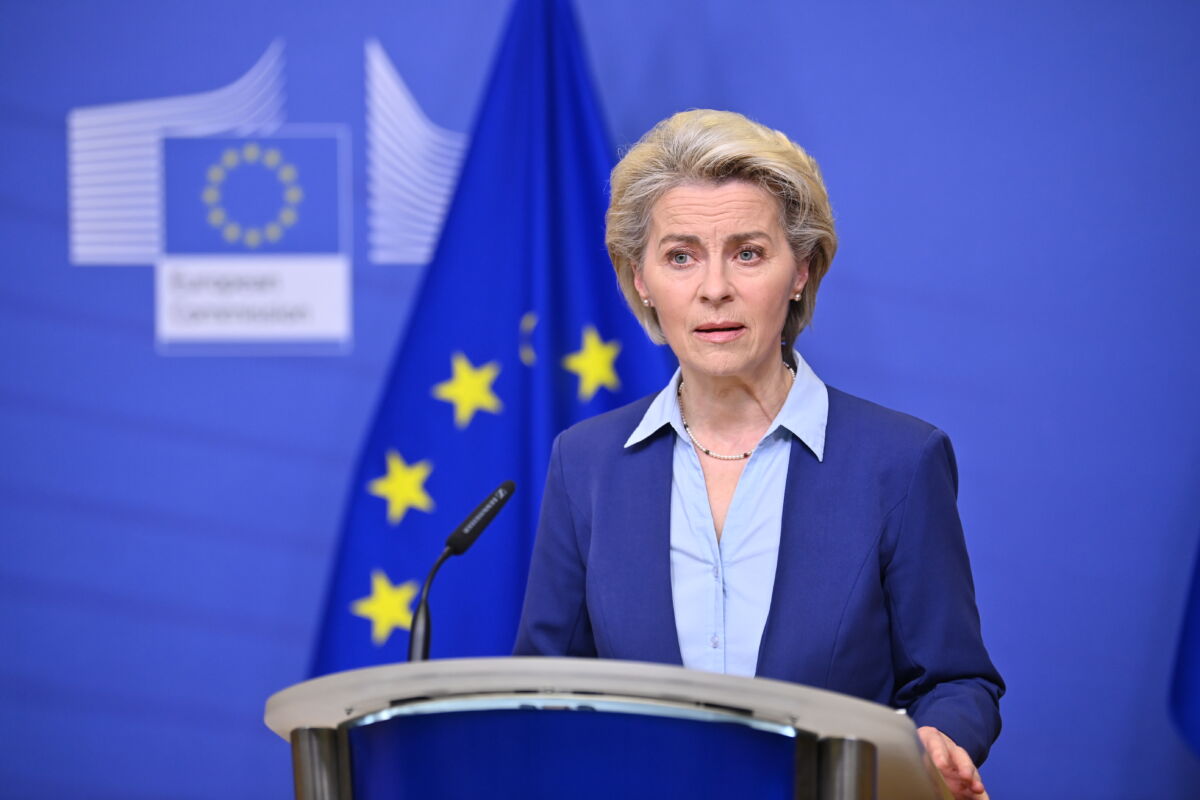
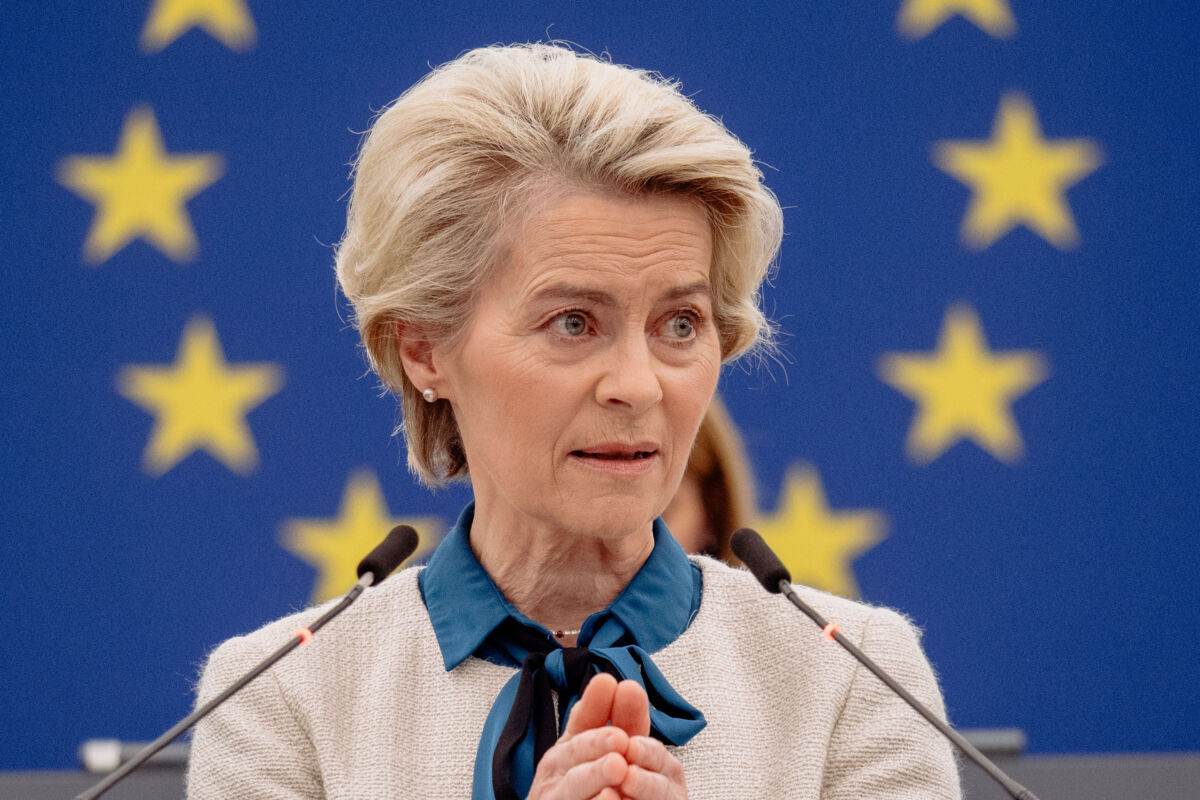
In her second round as Commission President, Ursula von der Leyen has partially capitulated to the anti-woke pressure. Equality, which was a standalone portfolio between 2019 and 2024, was downgraded to an add-on to Hadja Lahbib’s crisis preparedness mandate. Though all portfolios are meant to advance the UN’s Sustainable Development Goals – including equality – this aim has received little attention altogether.
Additionally, the Union of Equality Programme formally lives on, but its newer strategies, such as the one on anti-racism, have been watered down amid backlash from Stateside and the European far right. Similarly, the horizontal Equal Treatment Directive continues to be on life support.
The policies of the last two years have been demoted to an afterthought. There have been some small victories, but the Commission has mostly dabbled in performative allyship – remember their lukewarm outrage over last year’s ‘banned’ Budapest Pride? They also paid lip-service to hugely popular European Citizens’ Initiatives (ECI) like the one on safe and accessible abortion and on banning conversion therapy without taking any real action.
With no tangible commitment, the EU’s approach is superficial at best – and that needs to change.
The way forward
The best way to meet the moment and still comply with legal obligations related to advancing equality, non-discrimination and protecting minorities is twofold: a combination of completely reframing and repackaging social justice policies while not shying away from actively defending diversity.
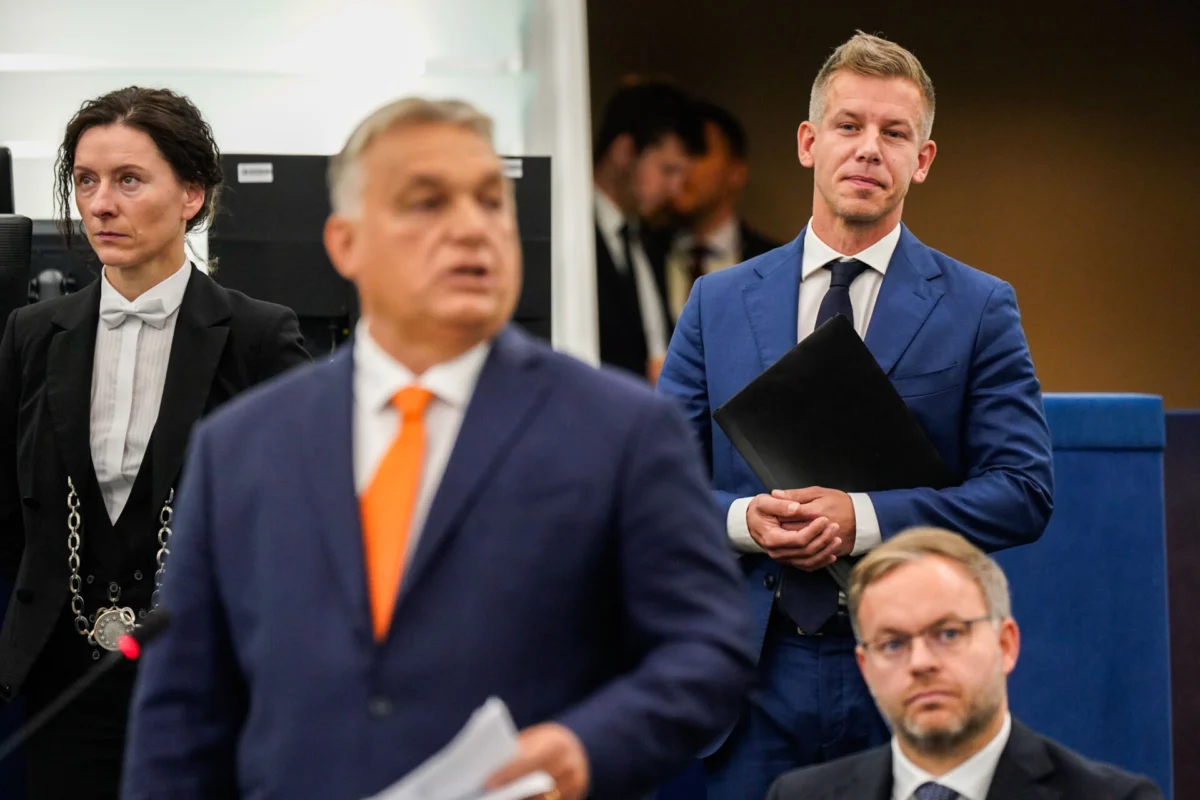
Firstly, language matters. Instead of approaching DEI from the angle of identity politics, the Commission should go the legal way. As an example, Hungary’s new prime minister has referred to the right of freedom of assembly regarding Budapest Pride. He’s framed the parade as a neutral legal matter related to fundamental rights compliance while his government has come out in support of marginalised communities.
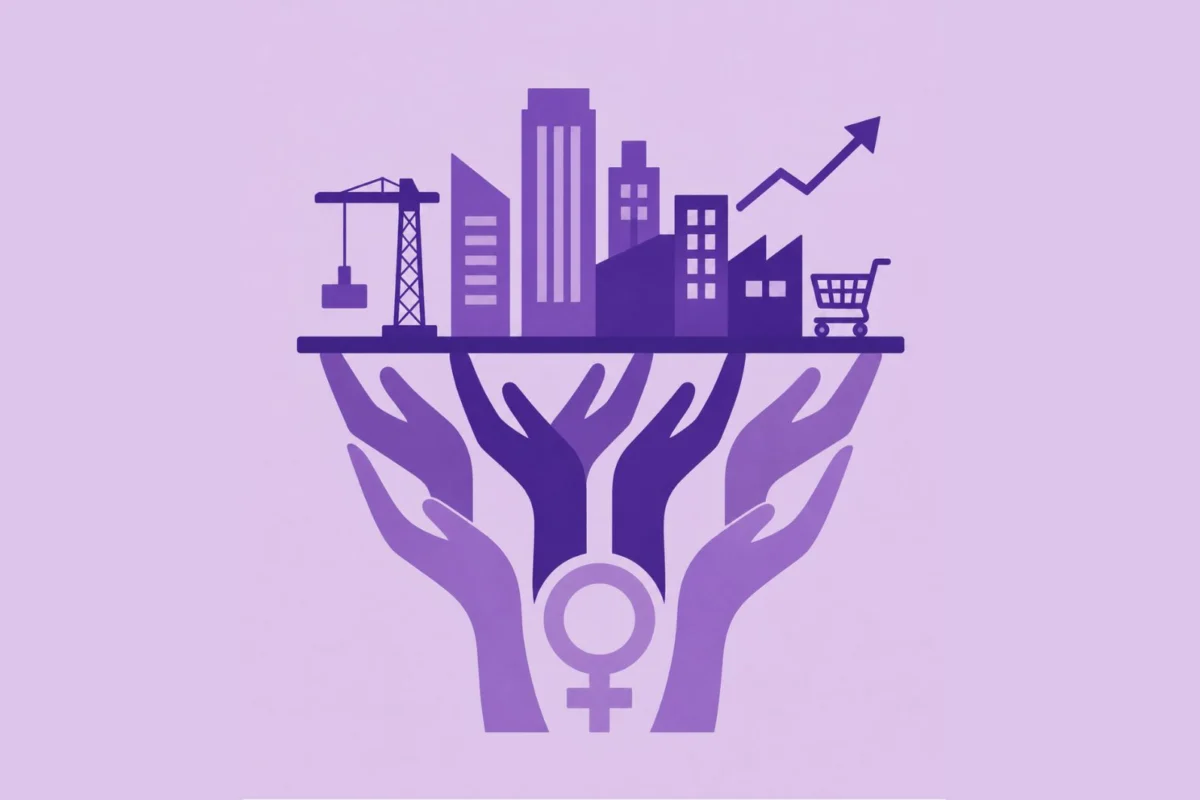
In the same vein, even sceptics might be persuaded by reasoning rooted in economic policy. Beyond justice, inclusive measures that uplift otherwise disadvantaged societal groups – including refugees and migrant workers – also facilitate their participation in the real economy. This can help with labour shortages, reducing extreme poverty, an ageing population or deteriorating social cohesion, and could even boost production and innovation.
There’s also a need for engaging civil society and more concrete action. There’s plenty to improve when it comes to encouraging civil society input and providing resources for research and advocacy activities so that marginalised voices can help shape policy. There should be accountability mechanisms to track Member State compliance: equality shouldn’t just be recommended but enforced. That’s why strategies should have measurable targets and transparent follow-ups and, if needed, budgetary sanctions.
But at the same time, the EU has a legal – and symbolic – obligation to stand up to the anti-DEI backlash.
Some may recall that ‘United in Diversity’ was selected as the EU’s official motto in 2000, years before the Lisbon Treaty entered into force and decades before politicians ran successful campaigns renouncing anything that they could construe as ‘DEI’. The current tepid approach, ironically, does the opposite: it’s letting adversity win while downplaying just how much diversity is a part of Europe’s DNA.
Instead of trying to find an impossible balance between two political sides, the EU must walk the walk on diversity; that means delivering policies that meaningfully reflect fundamental values, while also not relinquishing the narrative that the very real diversity of European integration isn’t a recipe for downfall – but rather one of our best virtues.
This commentary is part of a short series of commentaries to mark European Diversity Month, which will be published over the course of May.