
What was conceived in the Kremlin as a plan to decapitate the Ukrainian leadership and seize Kyiv within days has instead hardened into a seemingly endless war of attrition. Four years on, Russia has now fought Ukraine longer than the Soviet Union fought Nazi Germany during World War II.
It’s nothing but a sobering marker of strategic miscalculation from Vladimir Putin. Russian forces have failed to break Ukrainian defensive lines, let alone recreate the conditions for a renewed drive towards Kyiv. The battlefield has evolved into a grinding contest of endurance, exposing both the limits of Russia’s operational capacity (with Russian casualties reaching 1.2 million people, including 200,000 dead) and the resilience of Ukraine’s army, state and society.
US and EU support has been indispensable to Ukraine’s resilience. Yet the simple fact that Ukraine hasn’t yet triumphed shows that all this support – while critically important – has been insufficient to end the war.
Ending the war requires more political, economic and military pressure on Putin from both sides of the Atlantic. Unfortunately, as we saw in Munich, we’re still very much living in a moment where transatlantic bonds are strained and the Trump administration has shown little interest or inclination to fundamentally reset them.
Transatlantic dis-alliance – or what are we actually defending?
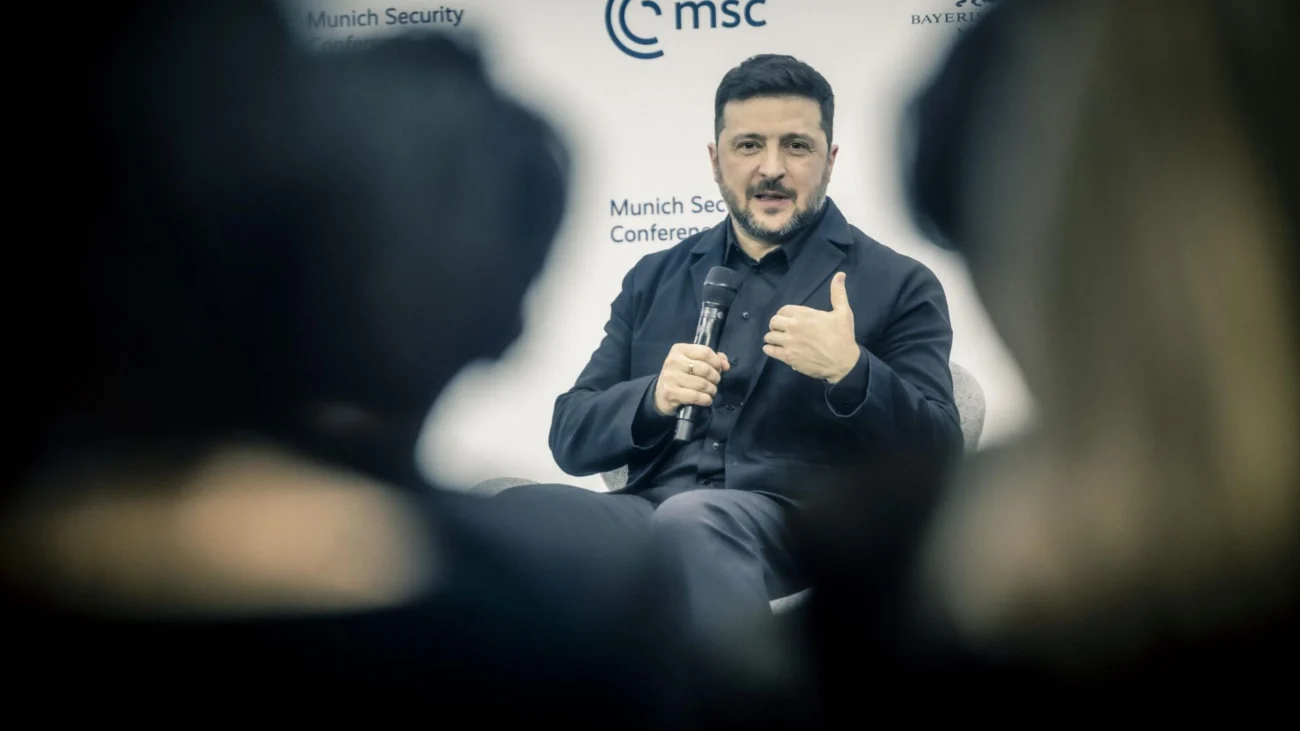
With the theme ‘Under Destruction,’ this year’s Munich Security Conference laid bare a stark reality – the destruction of the international rules-based order (if it ever existed) and broken transatlantic bonds. The silver lining, if there is one, was that when European leaders spoke Europe sounded unapologetic, assertive and more aware of the need to stand on its own feet.
Secretary of State Marco Rubio’s address was unexpectedly measured – markedly more conciliatory than JD Vance’s bombshell speech last year. The contrast between catastrophic expectations and Rubio’s tempered tone even triggered applause in the room. And while Rubio scored a diplomatic win on the substance but also by simply not attacking everyone in the room, nothing has really changed for Europe. The lingering question at the heart of the current transatlantic divide is the one Rubio himself raised – what exactly are we defending?
For Europe, the obvious (and right) answer is to fight Russian aggression and defend European values and democracies. Yet Rubio’s speech clarified one thing when he completely omitted Ukraine – namely that ensuring Europe prevails in the largest war on its soil since 1945 doesn’t appear to be a defining priority for Washington. And without a shared line and a common strategy on how to win, the ice will remain frozen.
Rubio clearly stated that the US wants a strong Europe, but alas his actions spoke differently. He skipped meetings on Ukraine and instead rushed to Hungary and Slovakia, offering political endorsement to the EU’s most Russia-leaning leaders. He even promised potential financial backing for Orbán, noting US-Hungarian relations are having a ‘golden age’, so long as Orbán is in power.
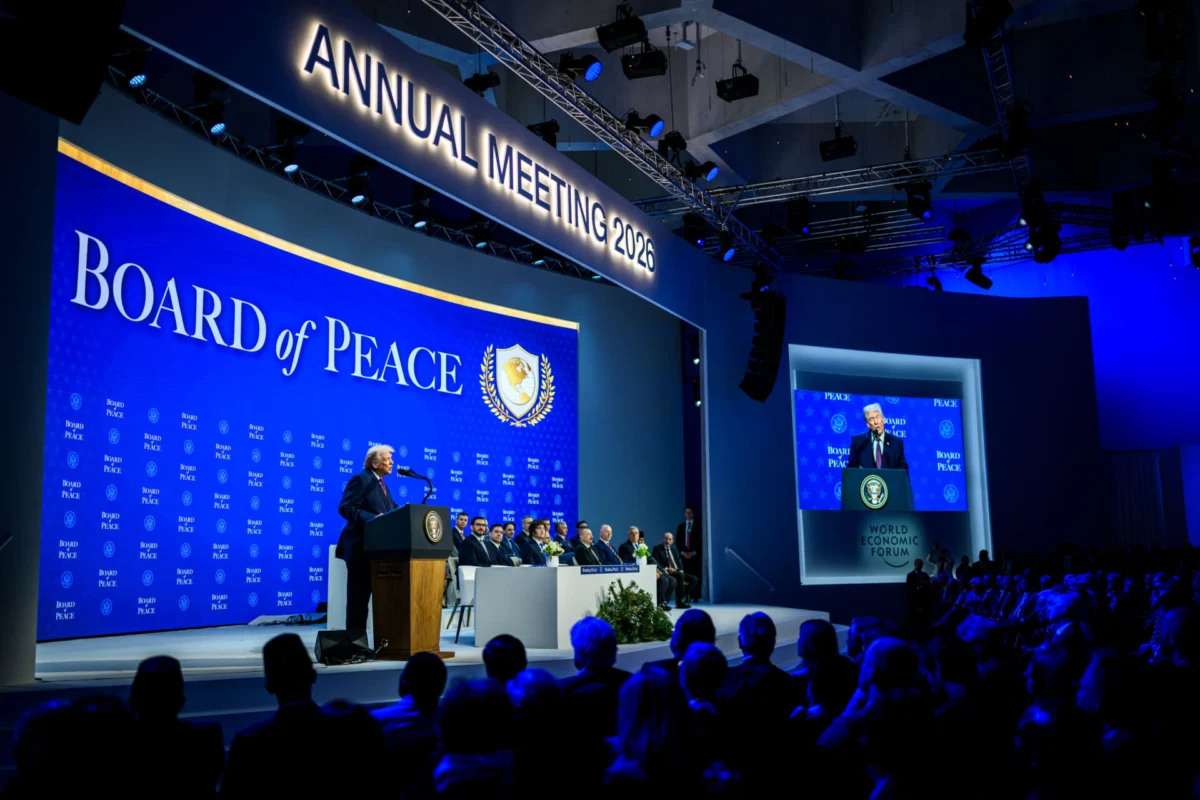
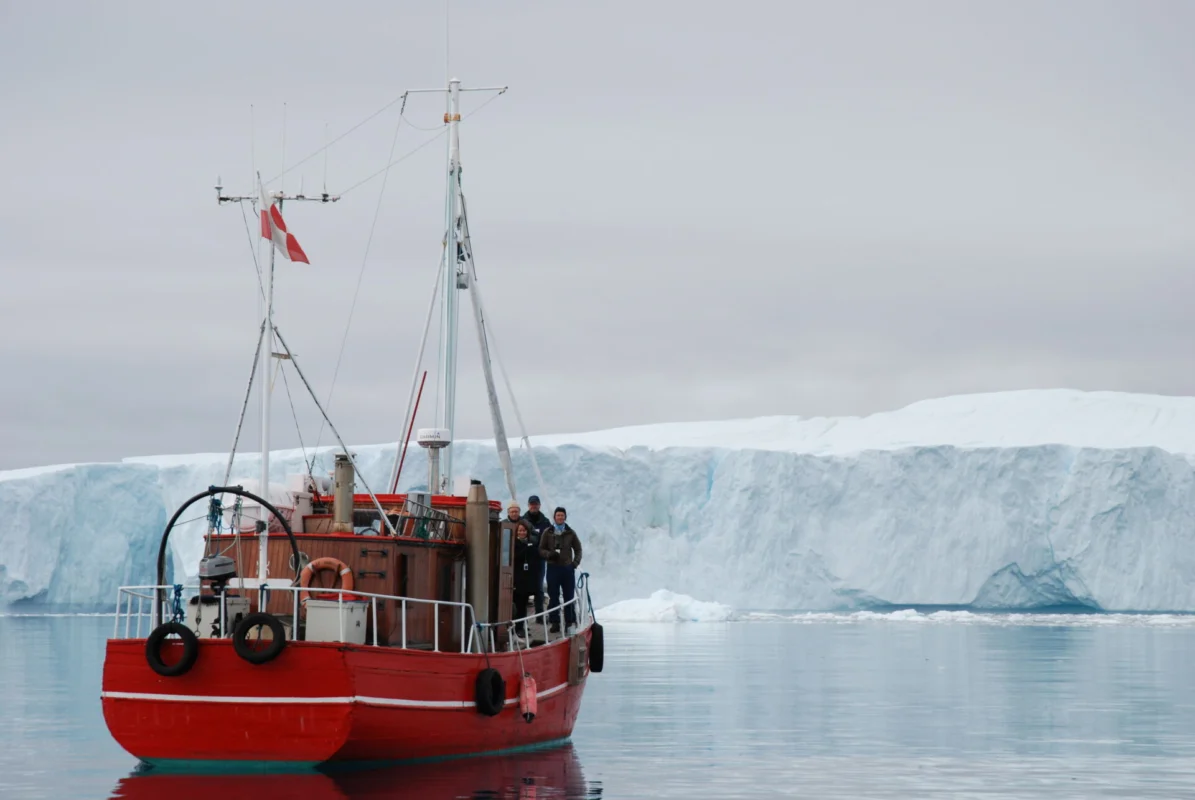
And let’s not forget Trump’s recent threat to grab Greenland or his formal invitation to international criminals, including Vladimir Putin, to join his ‘Board of Peace.’ Regardless of Rubio’s soothing words at Munich, if one NATO member openly contemplates coercion against another, Article 5’s credibility is no longer a given but an open question. And inviting the very architect of Europe’s largest war since 1945 to officiate over ‘peace’ collapses the distinction between aggressor and peace maker, blurs moral lines and cuts to the very the core of the transatlantic compact.
If the US genuinely wants a strong Europe, as Rubio claimed, then it must act accordingly, which means reinforcing shared European interests instead of legitimising internal EU divisions or pushing Ukraine into making concessions to the aggressor.
Europe’s post-Munich homework
Munich was yet another reminder for the EU that relying on the US for its security belongs to a bygone era. However diplomatic Rubio’s speech may have been, it cannot put the alliance back to work.
Admittedly, Washington’s ‘tough love’ has forced Europe into greater self-awareness, forcing it to more clearly recognise its own vulnerabilities and responsibilities. Europe must prove that it can stand on its own two feet by building up its own security and defence capabilities, strengthening coalitions among like-minded countries and working with international partners – including the US – to increase pressure on the Kremlin.
Only sustained, coordinated political, military and economic pressure can constrain Putin’s resources and ability to continue fighting and end this war that, four years on, still poses a very real existential threat to Europe.
While Ukraine joining NATO isn’t currently on the table, Ukraine remains firmly anchored to joining the EU. It shouldn’t come as a surprise that the EU’s mutual assistance clause (Article 42.7) has recently and repeatedly surfaced as a reminder that EU membership carries its own security commitments.
But despite meeting the criteria for moving forward in the enlargement process, Ukraine remains a hostage to Hungary’s veto, underscoring how internal EU divisions – even just one Member State deviating from the rest – can stall historic decisions.
Ultimately, it’s in the EU’s own strategic interest to bring Europe’s strongest and most battle-hardened army into the Union. Integrating Ukraine would not only reinforce the continent’s security architecture; it would also accelerate the EU’s long-delayed evolution from a predominantly economic project into a fully-fledged political and security union.
As convener Wolfgang Ischinger drew the Munich Security Conference to a close, his words are as true today as they would have been four years ago if he had uttered them then – what we need now isn’t another round of speeches but a credible plan, followed by real action.