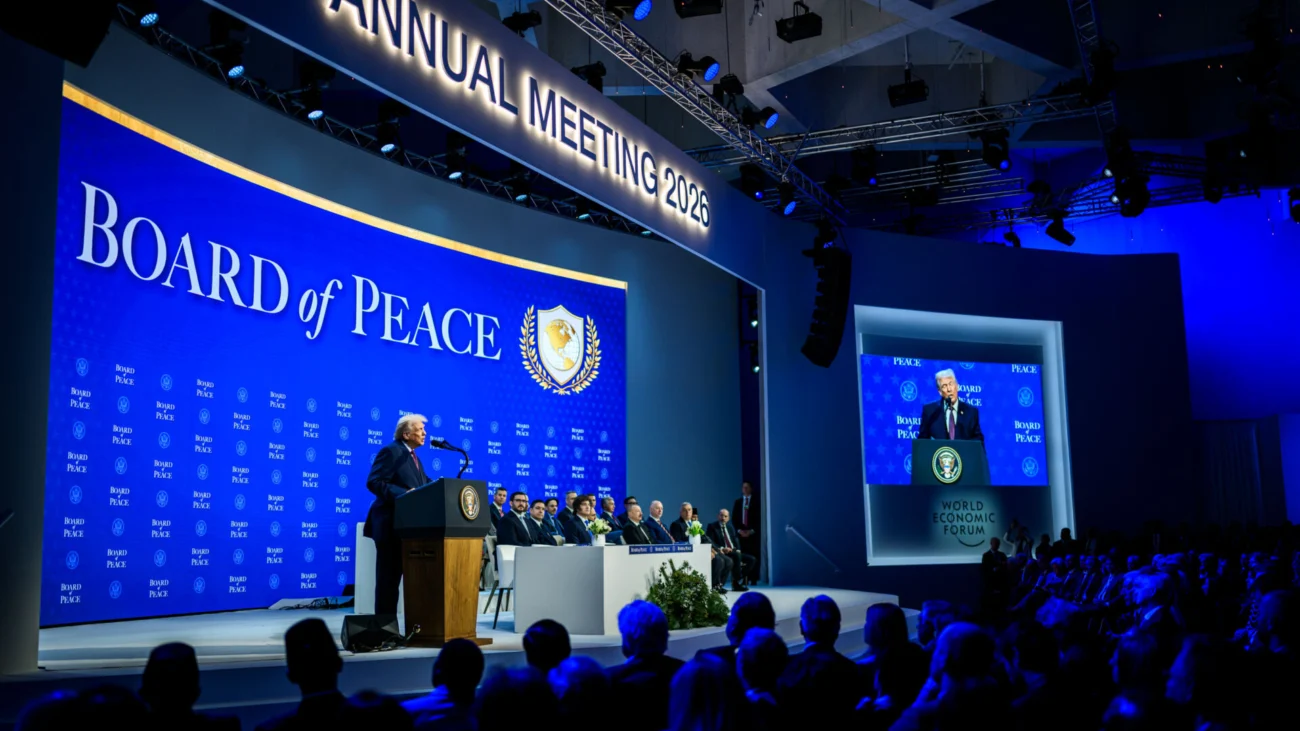

Donald Trump’s problematic ‘Board of Peace’ is casting a long shadow over the Middle East. And as the situation in Gaza remains dire, this leaves the EU in a bit of a bind.
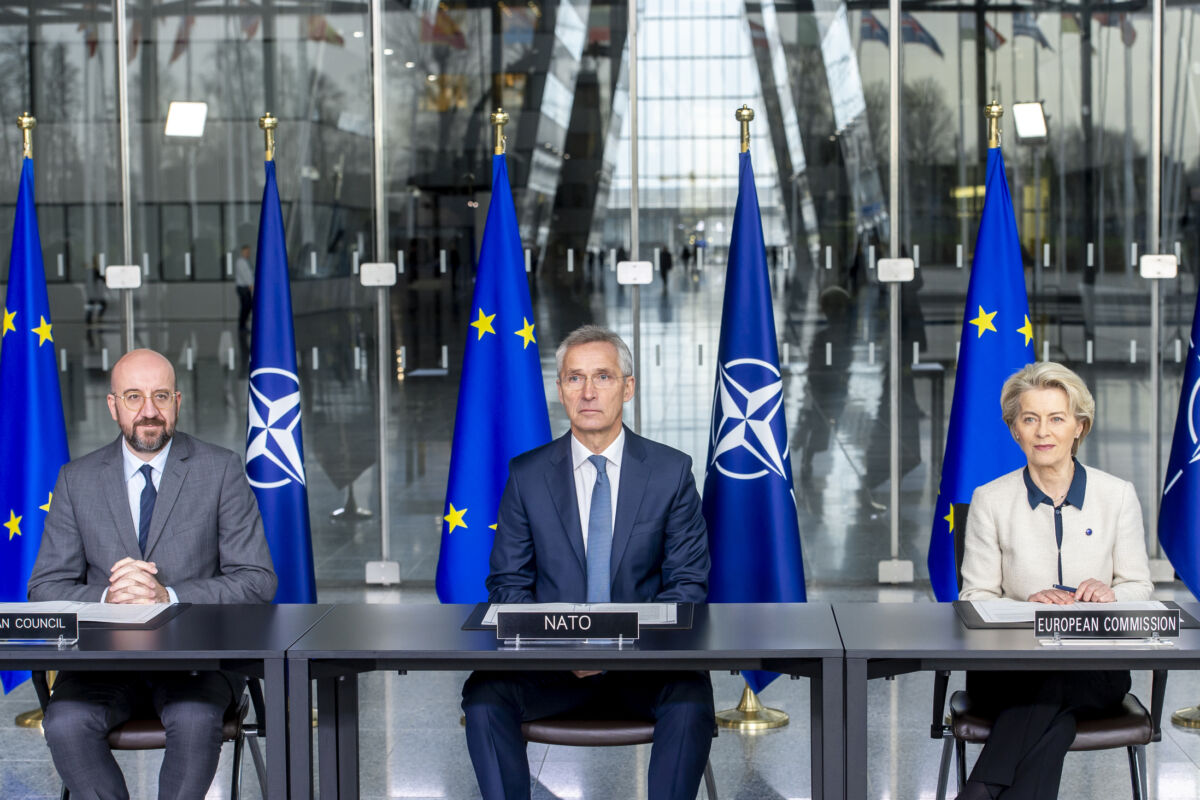
The EU and many of its Member States have either declined to join the Board’s governing body or haven’t yet taken a position. But there are other positive actions that the EU can take to improve the situation on the ground, as well as its damaged reputation in the region – and the wider world – as a force for peace.
What’s happened since the October 2025 ‘ceasefire’?
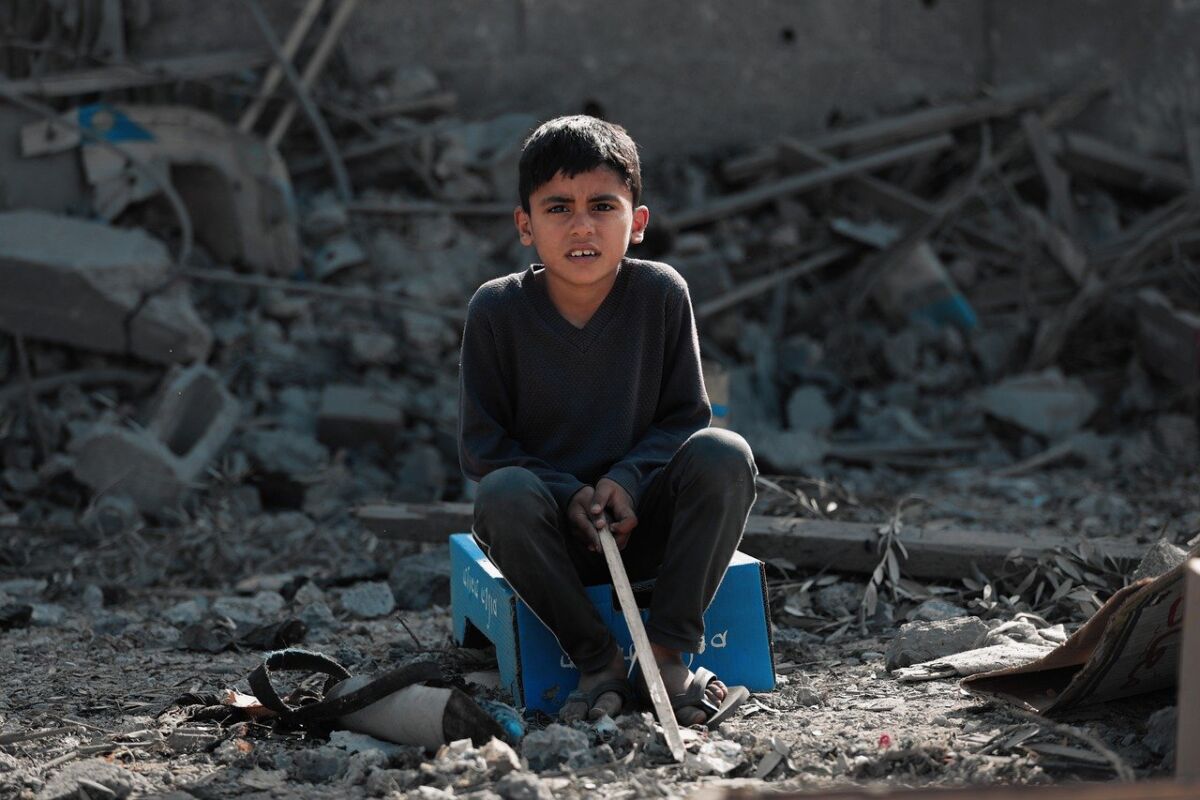
Since the ceasefire announcement under Donald Trump’s ‘comprehensive plan’ on 12 October last year, over 500 Palestinians have been killed or injured in Gaza, primarily due to continuing Israeli strikes, bringing the total death toll to 71 700, including many thousands of children.
In the occupied West Bank, extremist settler violence against Palestinian communities has continued virtually unabated, with impunity. And Israel last year advanced plans for 47 000 Israeli housing ‘units’ (these are often in practice apartment blocks). This is in contempt of the July 2024 ICJ opinion which restated Israel’s obligation to stop all illegal settlement activities and evacuate settlers from Palestinian territory.
While deliveries of humanitarian aid to Palestinians in Gaza have improved somewhat, draconian Israeli restrictions remain in place and the amounts involved still fall far short from catering to the population’s huge needs. The critical Rafah crossing has just been re-opened, albeit with severe limits imposed by Israel and there are signs that, citing the lack of progress on Hamas disarming, the Netanyahu government may yet keep most of the Rafah barriers in place.
That said, there’s no evidence of any Israeli withdrawal from Gaza, which is part of the quid pro quo for disarmament under the Trump plan. If anything, the Israel Defence Force has extended its military occupation, conducting operations beyond the ‘yellow line’ that they’ve imposed, which effectively divides Gaza in two along a north-south axis.
Thirty-seven international NGOs, which play a key role in delivering humanitarian aid to Gaza have been deregistered by the Israeli authorities, while UNRWA, traditionally the main aid, education and medical provider, has been banned and its headquarters in East Jerusalem have been reduced to rubble by Israeli bulldozers, in an operation supervised by Interior Minister Ben Gvir. On top of this, international media outlets are still banned from Gaza.
Israel also continues to withhold Palestinian tax clearance revenues and block banking services between Israel and Palestine. This makes it difficult for the Palestinian Authority to function and impedes Palestinian businesses from getting access to much needed finance. Unemployment, with its accompanying frustrations, has surged in recent years.
Enter the ‘Board of Peace’
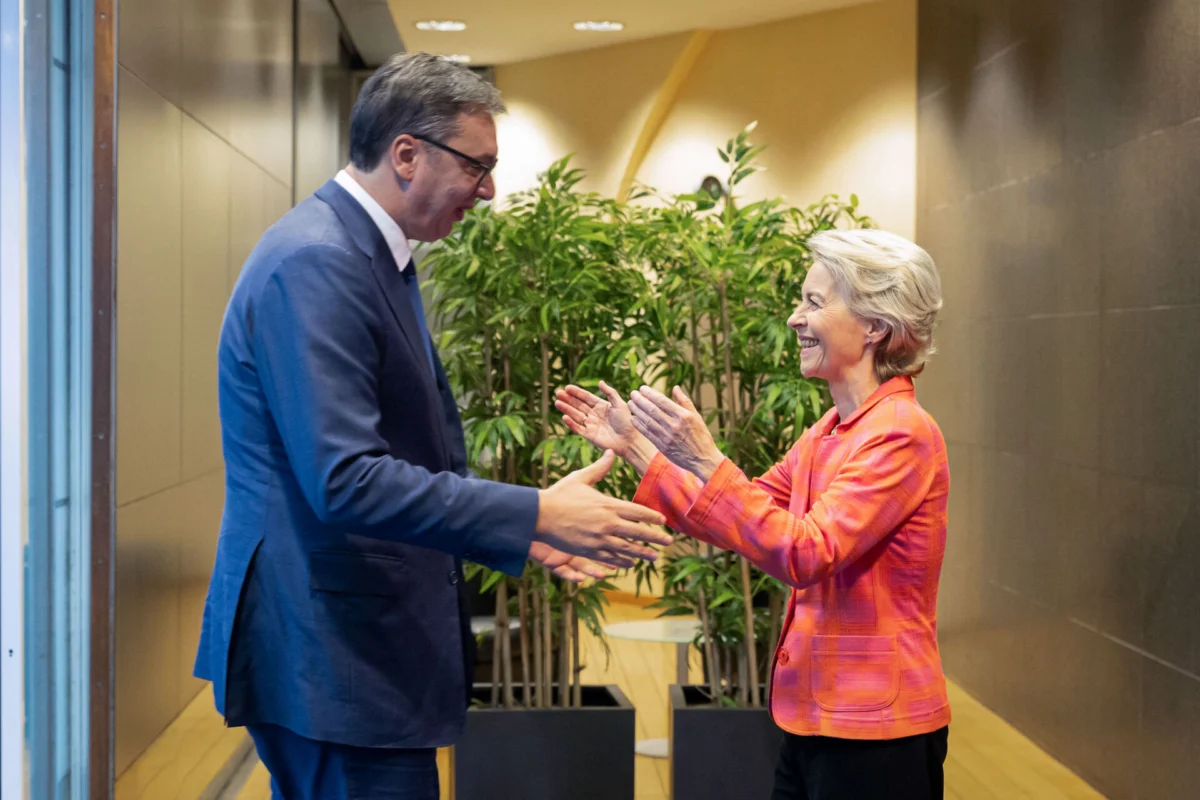
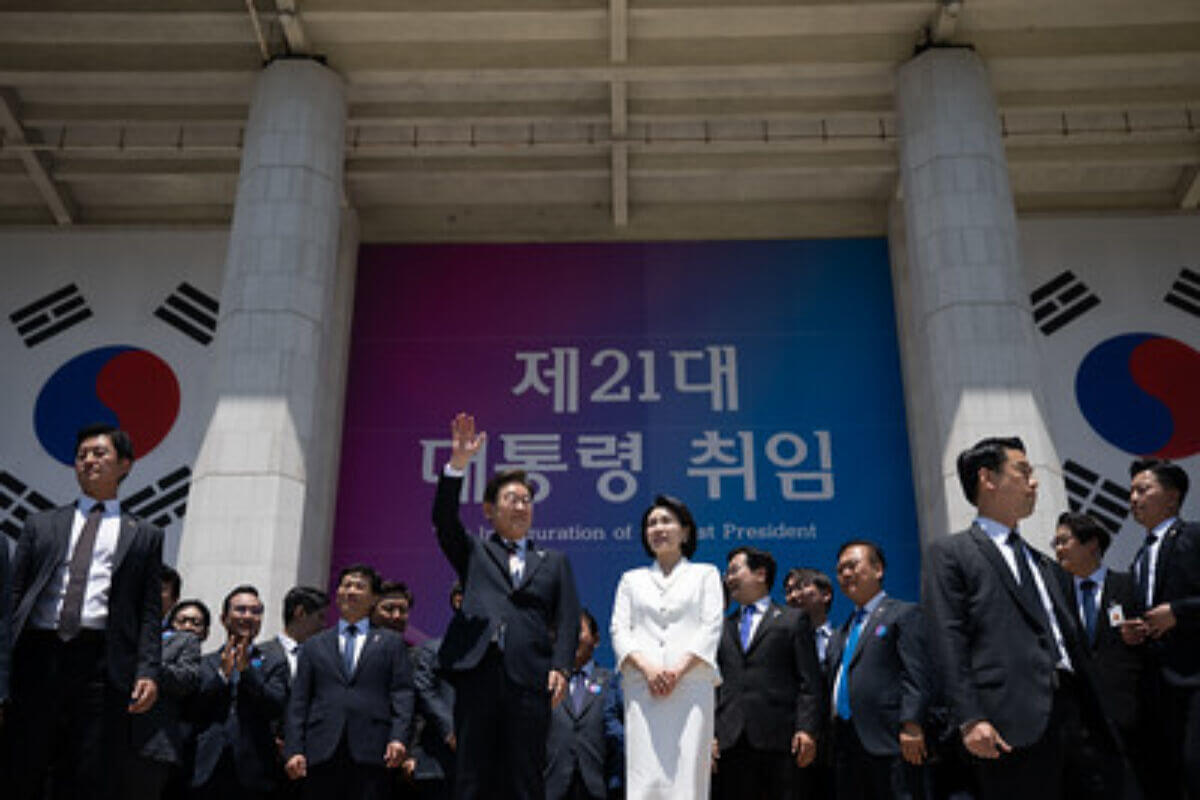
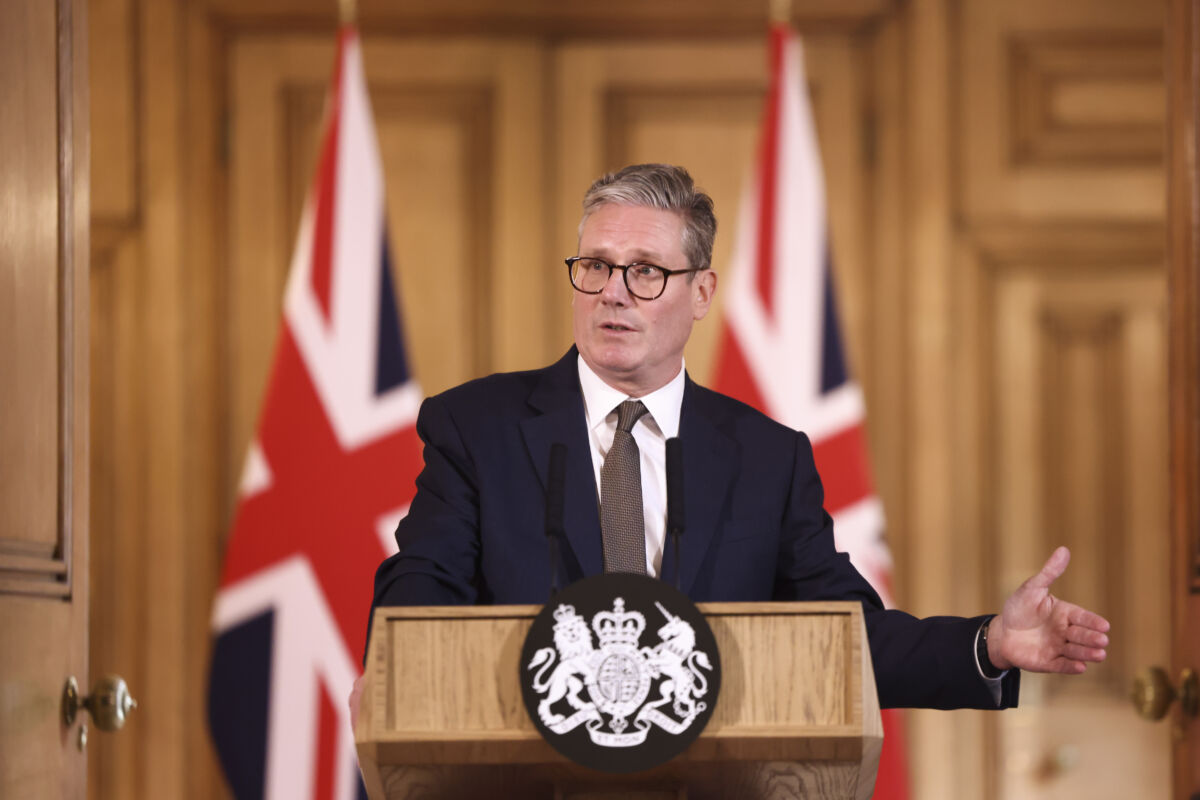
Against this less than propitious background, Trump recently announced the start of the second phase of his plan with the formation of the ‘Board of Peace’. Twenty-seven countries have thus far been confirmed for its governing body, including Benyamin Netanyahu and other heads of state or government, as well as one EU Member State, Hungary.
Others, including the EU and many of its Member States, have been invited to join. Notable by its absence is any invitation to the Palestinians or indeed any direct reference to Gaza in its founding charter.
That charter must count as one of the most peculiar documents in the history of international relations. Among other things, while decisions are to be taken by majority vote, they will be ‘subject to the approval’ of the chairman – namely Trump himself. The chairman is to serve indefinitely and has the exclusive right to choose his successor.
Where this leaves the EU
All these developments pose several questions for the EU, some of which go beyond the current conflict. Several considerations apply here, many of which have been highlighted in the latest statement issued by a group of over 400 former EU Ambassadors and senior officials made on 2 February.
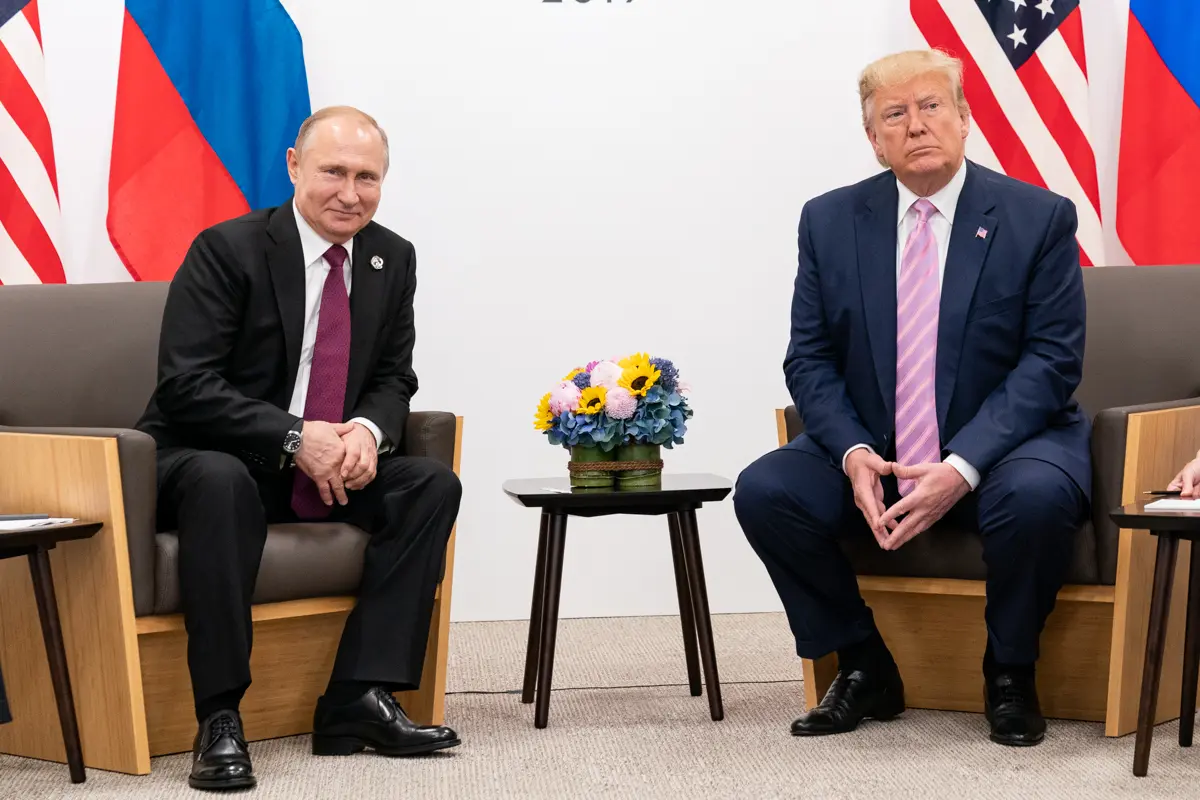
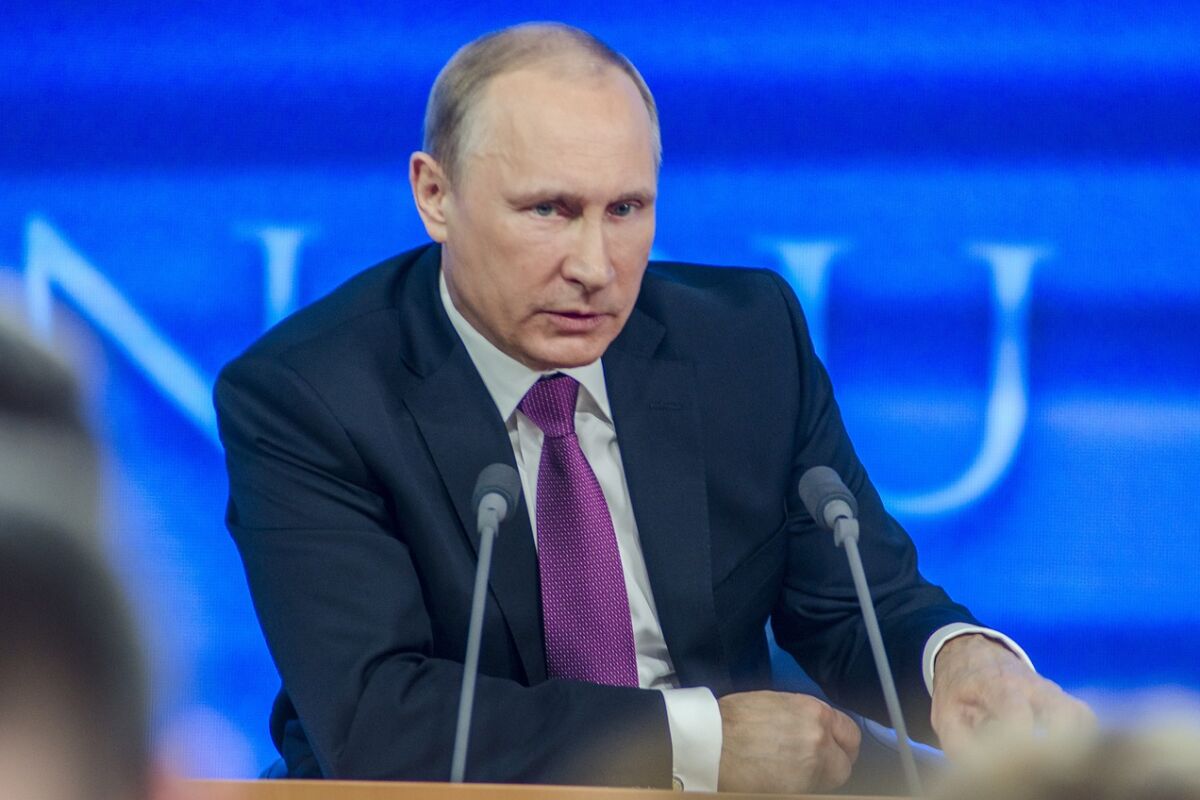
First, given its founding principles, the EU and its Member States should not join the ‘Board of Peace’. It currently includes an ICC indicted war criminal (with a second one, Vladimir Putin, invited) and, as France has clearly stated in its refusal to participate, the Board’s Charter and governance threaten to undermine – if not supplant – the UN’s role in safeguarding international peace and security.
Trump has said he believes the UN should continue to exist, but his threats and pronouncements strongly suggest that his administration has little intention of properly respecting the UN Charter, which explicitly forbids the violation of borders and stresses the need to uphold sovereignty.
If the EU chooses to engage with specific bodies that are directly associated with the Board, notably the National Committee for the Administration of Gaza and the Gaza Executive Board, then it needs to carefully consider the division of authority between these and the governing Board. At the time of writing this isn’t clear at all, and there’s a danger that the EU’s room for maneuver and autonomy for action could be severely curtailed by Trump.
Second, we should remember that High Representative Kaja Kallas has left potential measures designed to restrain Israeli excesses ‘on the table’. As mentioned above, those excesses are blatantly continuing, so the EU should immediately launch a meaningful dialogue with Israel on the EU-Israel Association Agreement and, without a constructive response to its concerns within a clear timetable, move to suspend the Agreement, either in whole or – if internal EU consensus is blocked – in part, using qualified majority voting. Either move would affect close to a third of all Israel’s trade, something which would definitely get Israel’s attention.
Equally, if European military equipment is being used for repressing civilians in the Occupied Palestinian Territories, arms exports to Israel should be fully curtailed and, in any event, all trade with illegal settlements should also cease.
Finally, the EU needs to energetically reach out to like-minded partners in the OECD, the Middle East, the ‘Global South’ and other G20 members to forge common positions on more constructive measures to promote peace and the two-state solution.
If the EU fails to take these actions, it will only serve to sully its already damaged reputation in the wider world as an effective force for real and sustainable peace, at a time when such forces have never been needed more.