
An American move on Greenland wouldn’t finish NATO or the EU – but the Trump administration’s arguments already justify a dedicated European defence pillar. Its threats to ‘take over’ Greenland are inconsistent with NATO’s core logic, namely respect for members’ sovereignty. They contradict the principle that collective security is achieved through cooperation rather than coercion among allies.
What’s more, Donald Trump’s arguments are based on conjecture rather than facts. Greenland is not encircled by Russian and Chinese warships. And Copenhagen has been willing to discuss Arctic security and to increase the US troop presence on the island, while beefing up its own military investment – only to be ridiculed by Trump.
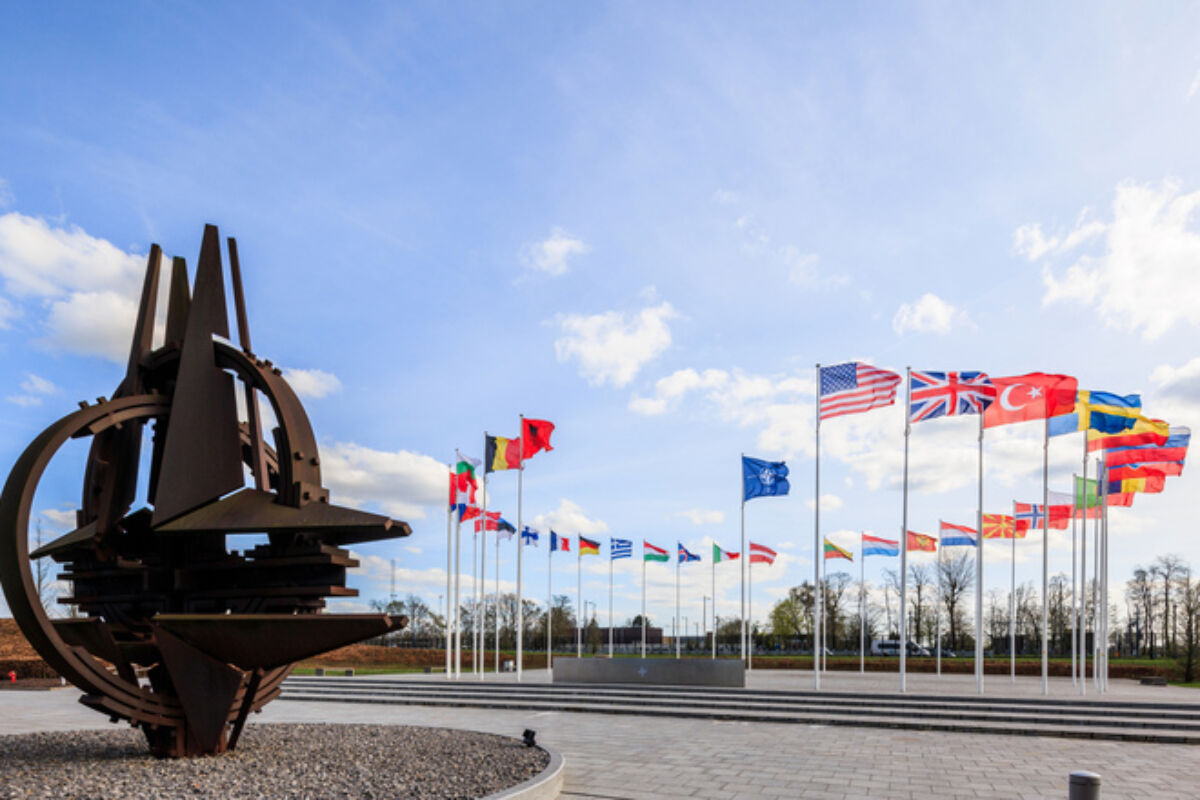
NATO has so far insisted that its task is one of collective security, i.e. including the US. The Secretary-General has insisted that the Alliance is ideal for the US, Denmark and other allies to discuss Arctic security more widely… if only Washington were to make bona fide use of it.
Alas, the European response has been slow and fragmented, partly because Denmark didn’t initially want to put the issue on the EU agenda. Besides the leaders of a handful of EU Member States, a small grouping of Nordic allies and EU institutions speaking out to defend international law, Danish sovereignty and the principle of self-determination, a wider discussion among EU Member States is only now getting underway.
There have been impassioned pleas for European governments to show some steel, for example, by threatening to close US military bases in Europe, ban purchases of US treasuries, or impose curbs on the reach of the tech ‘broligarchs’ in the EU, alongside tariffs on certain goods that America needs from Europe.
But internal divisions will likely hold the EU back from signalling that it can increase the costs of an American adventure in Greenland, except perhaps in areas of supranational competence. While some have paid lip-service, European governments have generally adopted a policy of ‘strategic supplication’ towards Trump to keep the US onside over Ukraine – with some success so far.
Showing some EU steel
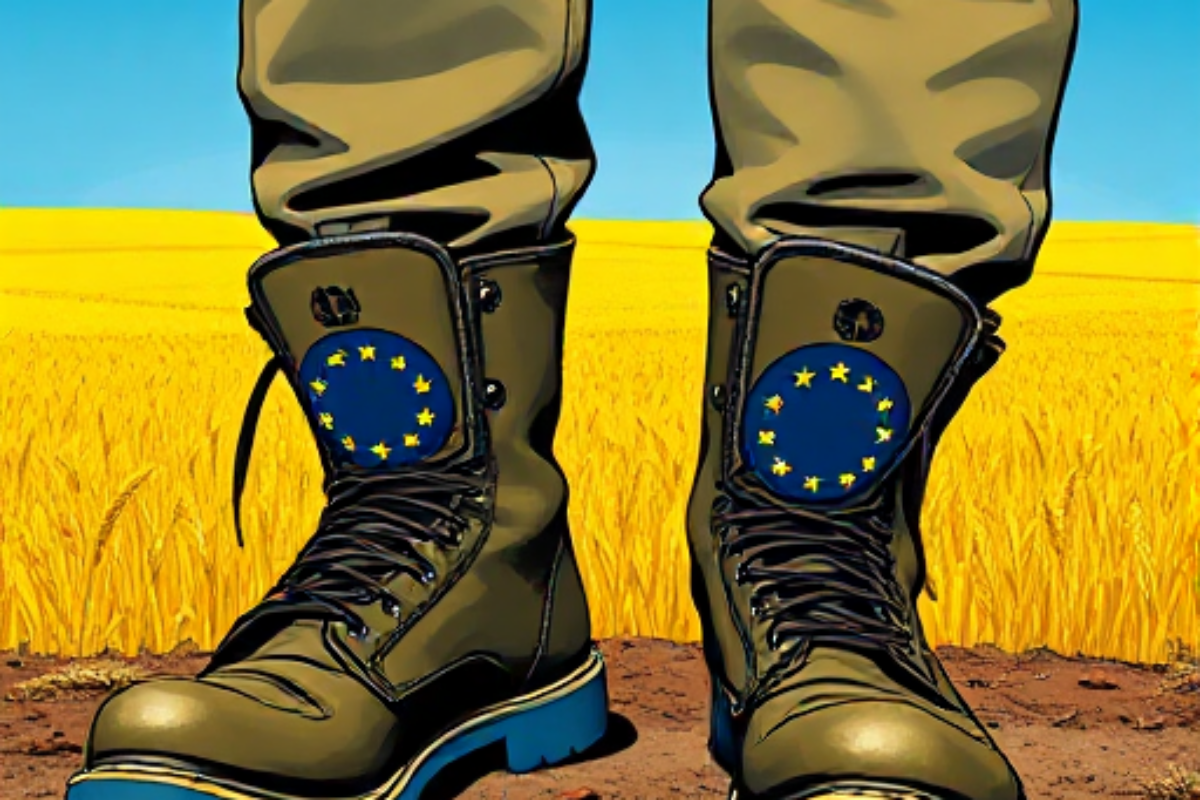
But in the current political circumstances, it’s highly unlikely that the EU would put boots on the ground to deter an American military intervention, as alluded to by the chairman of the EU Military Committee one year ago.
It’s also improbable that Trump’s bellicose language provides sufficient legal grounds to trigger the EU’s mutual assistance clause (Article 42.7 TEU) – after all, Denmark hasn’t yet been ‘the victim of armed aggression on its territory’. While the means of aggression may include cyber and other covert operations, they need to be accompanied by traditional military action to meet the legal standard. And that hasn’t happened yet.
Importantly, Greenland’s autonomous status doesn’t weaken Denmark’s rights under Article 42.7 TEU. According to Article 52.1 TEU, the Treaties apply in principle to the entire territory of the Member States. Even if Greenland’s involvement in external relations has increased after the island obtained ‘home rule’ from Denmark in 1979 and all but ‘left’ the European Communities in 1985, it retained the status of ‘overseas territory’ under EU law. Denmark still maintains responsibility for Greenland’s foreign affairs, defence and security policy under the 2009 Act on Self-Government, which was passed after 75 % of Greenlanders voted for more ‘self-rule’ in a referendum on autonomy.
A kinetic move by the US army against Greenland would cross the EU’s legal threshold to activate Article 42.7 TEU, but it would also, as in the case of Iraq in 2003, deepen the existing divides between Member States. While implementing Article 42.7 TEU doesn’t require any formal decision or Council conclusions, the EU’s mutual assistance clause – like NATO’s Article 5 – is purely intergovernmental in nature.
Also, activating the mutual assistance clause doesn’t in itself imply a civilian mission or military operation in the sense of Article 43.1 TEU, even if the legal landscape, i.e. the part on Common Security and Defence Policy (CSDP) in the Treaty, provides for more significant EU involvement.
However, given the political lay of the land in the EU, invoking Article 42.7 TEU would probably lead to mostly symbolic pledges of support. While Article 42.7 TEU implies that the neutrality of some Member States would be respected, it’s not unthinkable that other Member State governments, whose political allegiance is more with the Union’s adversaries than the EU itself, might cop out of the legally binding commitment.
The end of NATO?
Even if Article 42.7 TEU enables a Member State to request assistance from other Member States when the armed aggression comes from a NATO ally, the fundamental choices about security and defence made by 23 Member States are still made in relation to NATO.
Yet if push comes to shove and the US annexes Greenland with a mix of military bravado and hybrid means, then this would gravely affect NATO. It simply wouldn’t be able to respond, as military action must be approved unanimously and the US is the key member of the Alliance.
An American move against Greenland would probably not spell instant death for NATO, as Danish Prime Minister Mette Frederiksen has suggested. But a slower death would be still unprecedented and dangerous – for Europe and the US. As long as there’s a belief in European capitals that democracy will hold in the US and there remains near-term hope of a change in administration, it wouldn’t be in the European allies’ interest to declare NATO finished. Indeed, an intra-Alliance war of conquest could be later portrayed as a horrific, unforgivable aberration.
A European defence pillar
Pending a course correction from Washington, both NATO and the EU are de facto and de jure compromised. Trump is no stranger to flip-flopping on policy initiatives when the costs of a foreign adventure become too high but until he dilutes his demands or abandons his quest altogether, the dangers to Greenland, Denmark, NATO and the EU remain.
That’s why willing, able and trusted states should strengthen a European pillar not within but outside and complementary to NATO, i.e. one that can ‘plug and play’ with the US in the Alliance where it can and act autonomously where it must.
These states might deploy a deterrent force to Greenland via groupings such as the UK-Scandinavian Joint Expeditionary Force or the five-country Nordic Defence Cooperation format. EUROCORPS and the European Air Transport Command (EATC) are prominent examples of voluntary arrangements which supplement those of national armed forces with multilateral headquarters and military command structures.
The EU states and Nordic allies that have come out in support of Denmark should waste no time in connecting and consolidating ‘minilateral’ security arrangements that can fill the gap. Turning minilateralism into strategy is essential to move ‘from patchwork to phalanx’.
The original, longer article that this CEPS Expert Commentary is based on was first published on Verfassungblog.de.