
At a recent trilogue, European Parliament (EP) and Council negotiators agreed on a much harsher migration policy with the creation of ‘return hubs’ outside the EU.
The EP’s position was based on a majority consisting of the centre-right European People’s Party (EPP) and far-right groups. But this isn’t a single policy shift – it’s a symptom of a much deeper structural shift.
The EP no longer operates through stable pro-European centre-right/centre-left majorities. Instead, it increasingly resembles something well-known in national settings: a minority government, in this case with the EPP as kingmaker.
Understanding this new dynamic is essential for the European Commission, national governments and anyone trying to anticipate where EU legislation is heading.
A new line of thinking
The EP, with its unique political setup, has never functioned like a ‘traditional’ national parliament. It never had a government-versus-opposition structure where a single party or multi-party coalition backs a government. Instead, each majority is negotiated, with only a loose agreement between the major political groups backing a shared agenda.
Yet throughout the EU’s history, and until 2019, the centre-right EPP group and the centre-left Socialists & Democrats (S&D) always had a majority. Between 2019 and 2024, the liberal Renew Europe group was necessary for the EPP and S&D to reach a majority. But this still meant that whenever an agreement was reached in the pro-European centre (whose parties also formed most national governments), a majority could be reached in the EP.
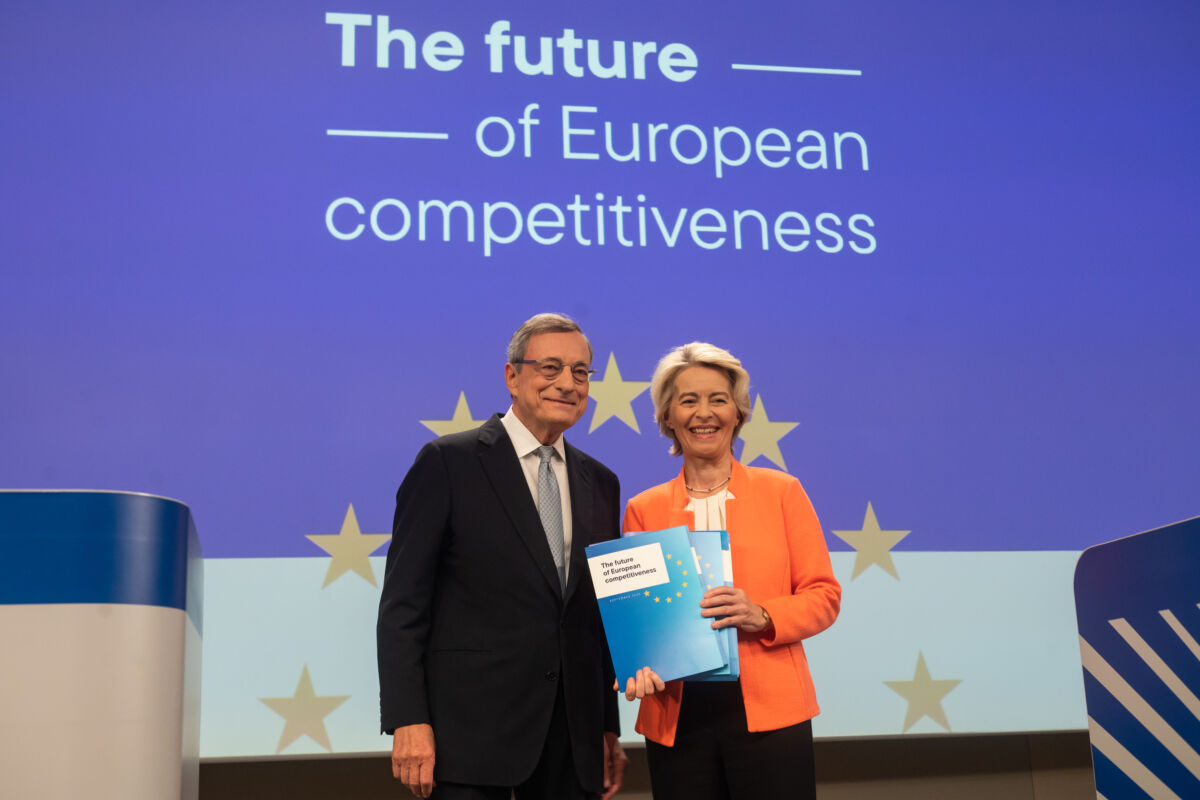
But the EP elected in 2024 is different. It still relies on the EPP as the largest political group, which formed a majority with the S&D and Renew to re-elect Ursula von der Leyen as Commission President, forming the ‘von der Leyen platform’. But over the course of the legislature, growing mistrust among the three groups has overshadowed their collaboration.
The loose ‘von der Leyen platform’ now increasingly looks like a supply-and-support agreement.
Which means that current EU decision-making dynamics increasingly resemble those of a national minority government. Three features illustrate this shift: a core majority in fundamental votes (such as the EU budget), the EPP’s ability to draw on different majorities, and the fact that the EPP can still be outvoted.
Going into minority mode
First, the ‘von der Leyen platform’ – the majority formed by the EPP, S&D and Renew – still holds for around 85 % of plenary votes. All the votes on the EU’s regular and multi-annual budget rely on the pro-European centre.
Yet like many minority governments, this fragile alliance is regularly tested by censure motions against the Commission. Each time, von der Leyen and the EPP must renegotiate with much of the S&D and Renew to keep them onboard. And now that the far right and far left have discovered this tool and have the necessary numbers to use it, expect more censure motions to come.
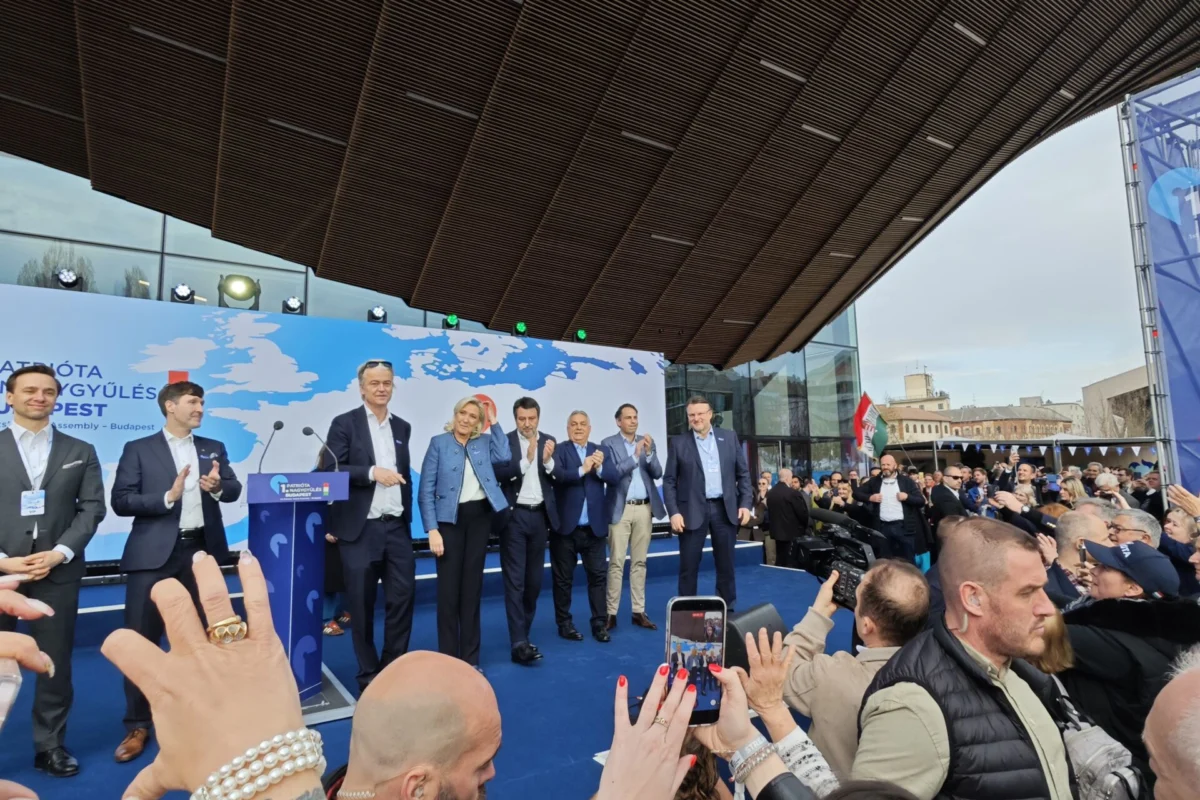
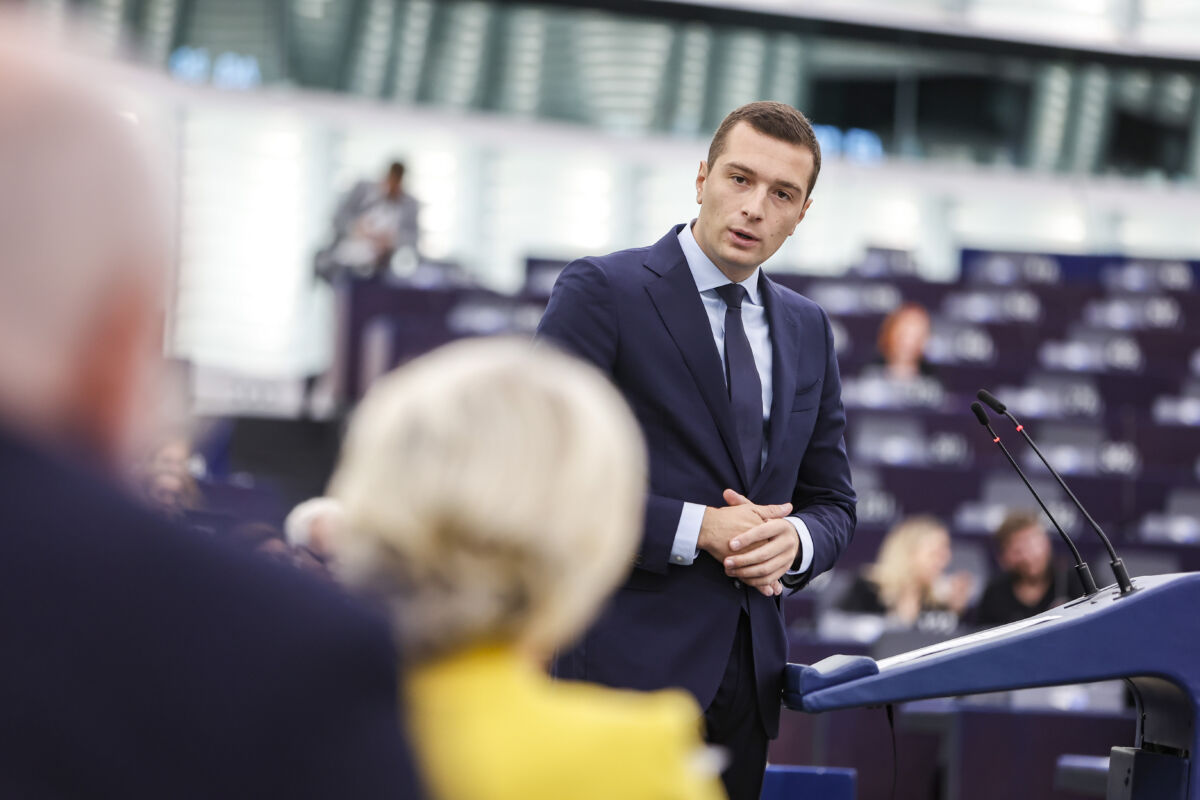
Second, and perhaps more importantly, the EPP can now seek alternative majorities. Initially, a potential majority formed by the EPP and the three far-right groups – the national conservative European Conservatives and Reformists (ECR), the right-wing populist ‘Patriots for Europe’ (PfE) and the most extreme ‘Europe of Sovereign Nations’ (ESN) – was regarded as a mere technical possibility. Alas, it’s now become a regular option.
The EPP-led far-right majority was first tested on symbolic votes, such as a resolution on Venezuela – since dubbed the ‘Venezuela majority’. This built the basis for a majority for simplifying EU sustainability rules, postponing and then reducing EU deforestation rules and, most recently, pushing changes in EU migration rules, such as the criteria and definition of ‘safe third countries’, and the creation of ‘return hubs’ outside the EU.
Although the EPP insists it doesn’t formally cooperate with the three far-right groups, it’s becoming increasingly common for core elements of the EU agenda. Meanwhile, the ‘von der Leyen platform’ partners, the S&D and (parts of) Renew, are often outvoted. On migration files, for example, in this legislative period the EPP has voted more with the ECR, PfE than it has done with the S&D or Renew.
Finally, the third feature of the EPP’s tendency towards minority government behaviour is that it can still be outvoted, especially when the centre right is fractured. The most prominent example is the decision to refer (and thus to try to delay or even kill) the EU-Mercosur trade agreement by sending it to the European Court of Justice in January 2026.
In this case, a ‘horseshoe majority’ vote came from the far left, the Greens and the far right, with a few rebels from the centre left and centre right. This was also made possible due to Polish and French EPP members voting against party lines.
A risky strategy for the EPP – and for the EU
These minority government tendencies are changing the nature of EU politics.
In the short term, it positions the EPP as a strong powerbroker. But the EPP is also taking a risk: they will have to rely on the ‘von der Leyen’ platform for major EU decisions and the budget. If the EPP votes too often with the far right, the loose supply-and-support agreement will start to break down.
In the long term, the EPP also risks legitimising the far right, which remains mostly Eurosceptic and anti-democratic.
For the EU as a whole, the risks are even larger. With the minority government-like structure, the EP has become much more unpredictable. For future legislation, the Commission will now effectively have to navigate different potential majorities, not knowing which one will win out on the day.
This not only means that the institutions will need to collaborate more, but it also complicates how initiatives are designed and negotiated. It may even torpedo or significantly alter core parts of the EU agenda.
And that’s why the EP now appears much more like a national parliament saddled with a minority government, meaning much more time, political energy and effort is needed to advance the EU’s agenda – with the EPP firmly in the driver’s seat and juggling a risky strategy of switching between the conventional pro-European centre and the allure of the far right.